telescope
telescope at Lee LHGFX Photography is a file of 7 stories. The newest of them: “The Atlas blurs the line between telescope and camera with curated precision”, “A Stellar Spectacle Captured from an 845-Year-Old Celestial Burst”, and “Unlock New Perspectives: AI-Powered Telescope Transforms Smartphone Bird Photography”. Vaonis calls the Atlas a smart telescope that works like a DSLR, and the description finally fits. A supernova witnessed in August 1181 has just revealed its ghostly portrait. Lee LHGFX Photography is a dynamic portfolio and lifestyle hub built around the artistic work of @lee_lhgfx — a highly engaged Instagram creator and… The list below is every telescope story on Lee LHGFX Photography, newest first.

The Atlas blurs the line between telescope and camera with curated precision
Vaonis calls the Atlas a smart telescope that works like a DSLR, and the description finally fits. This modular design blurs the line between astronomy and photography, letting you swap out optics as easily as a lens. It's a curated tool for stargazers who also want frame-worthy images. For another take on curated visual experiences, Hipstamatic's new Camera Club reboot offers a similarly intentional approach to image-making.
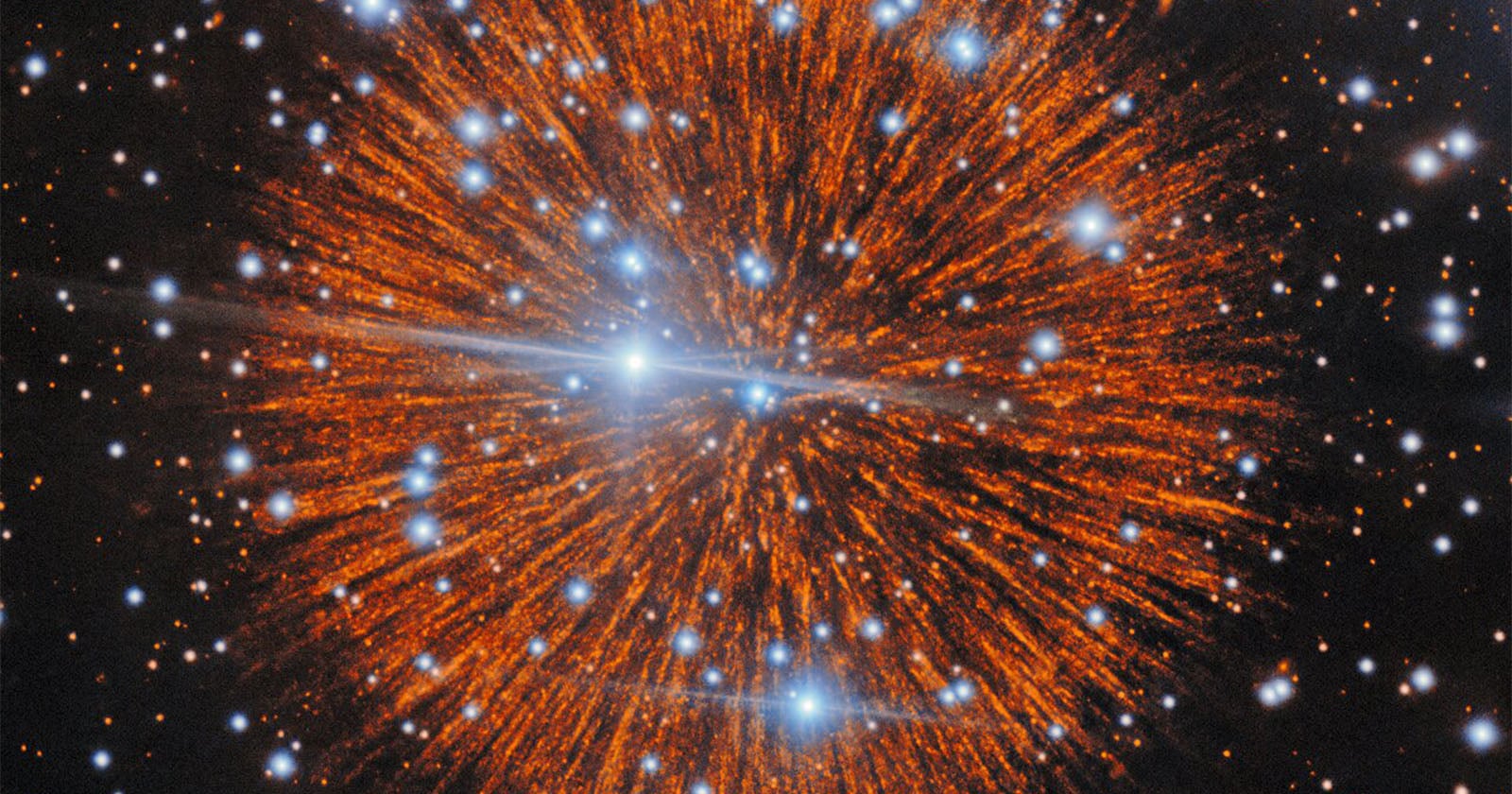
A Stellar Spectacle Captured from an 845-Year-Old Celestial Burst
A supernova witnessed in August 1181 has just revealed its ghostly portrait. Scientists using the Gemini North telescope in Hawai'i captured Pa 30, the glowing remains of that 845-year-old stellar burst. The image is both haunting and beautiful, a cosmic echo of something our ancestors looked up to see. It reminds us that the universe works on a timeline far beyond our own. For another glimpse of celestial stillness, explore *A Cold Glimpse of Our Sun's Distant, Silent End*.

Unlock New Perspectives: AI-Powered Telescope Transforms Smartphone Bird Photography
Bird-watching has always demanded patience, a steady hand, and just the right gear. QIVIKA's new AI-powered telescope changes that equation, slipping under 300 grams while delivering 24x optical magnification straight to your smartphone. It is a compact tool that feels less like equipment and more like an invitation to observe more closely. For anyone drawn to both nature and photography, this device makes the craft feel refreshingly accessible. Curious about similar creative tools?
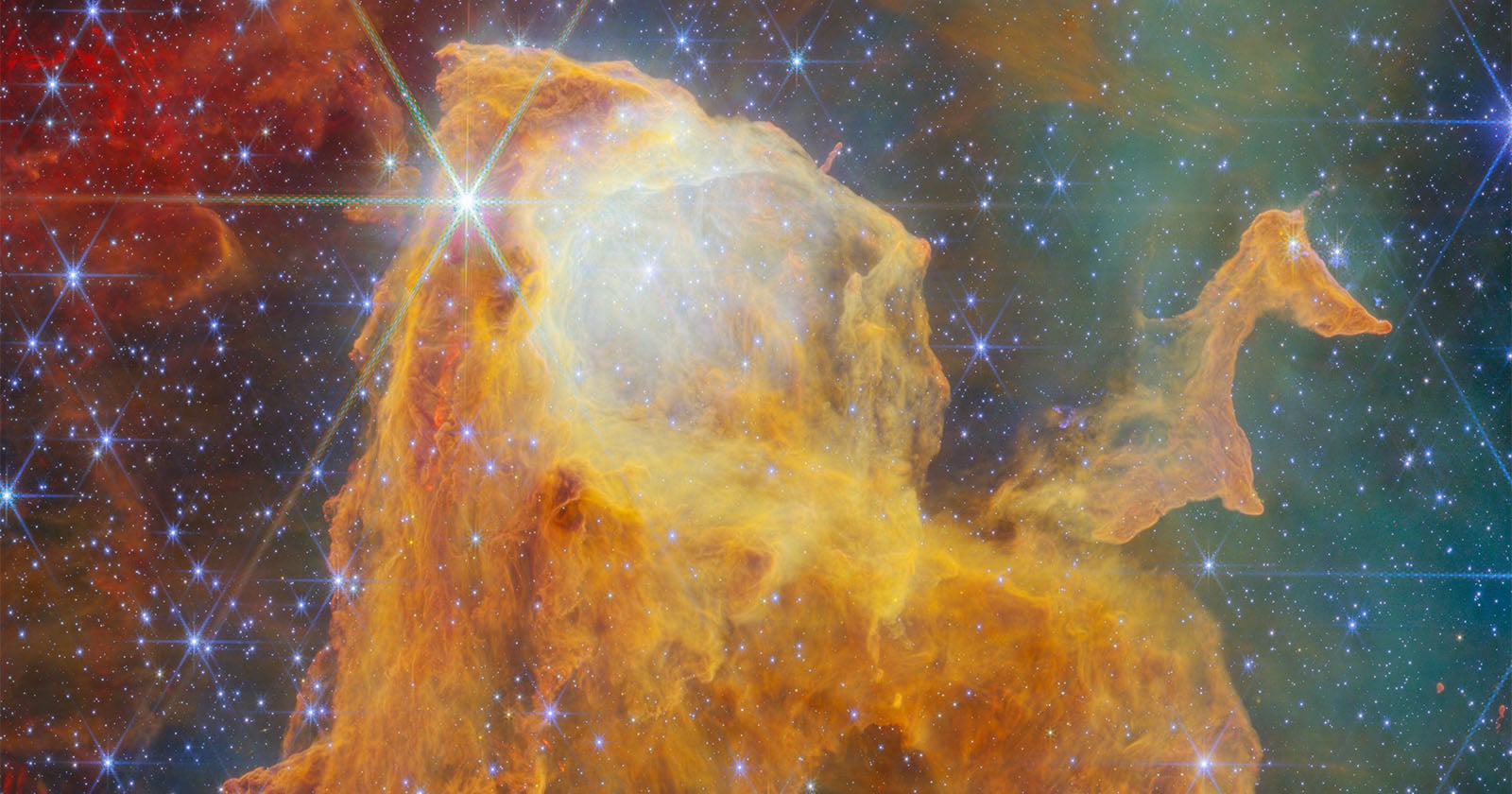
A Cosmic Treasure Chest: Webb Reveals the Carina Nebula's Splendor
Seven thousand five hundred light-years away, a sparkling swarm of young stars glimmers inside the Carina Nebula, and the James Webb Space Telescope has turned this cosmic cluster into pure visual poetry. The newest Picture of the Month feels less like a scientific image and more like a curated gallery piece, one that invites a long, lingering look. It is a reminder that space, at its most beautiful, still knows how to surprise us. For more artistic visions, our piece on Leica Lux 2.
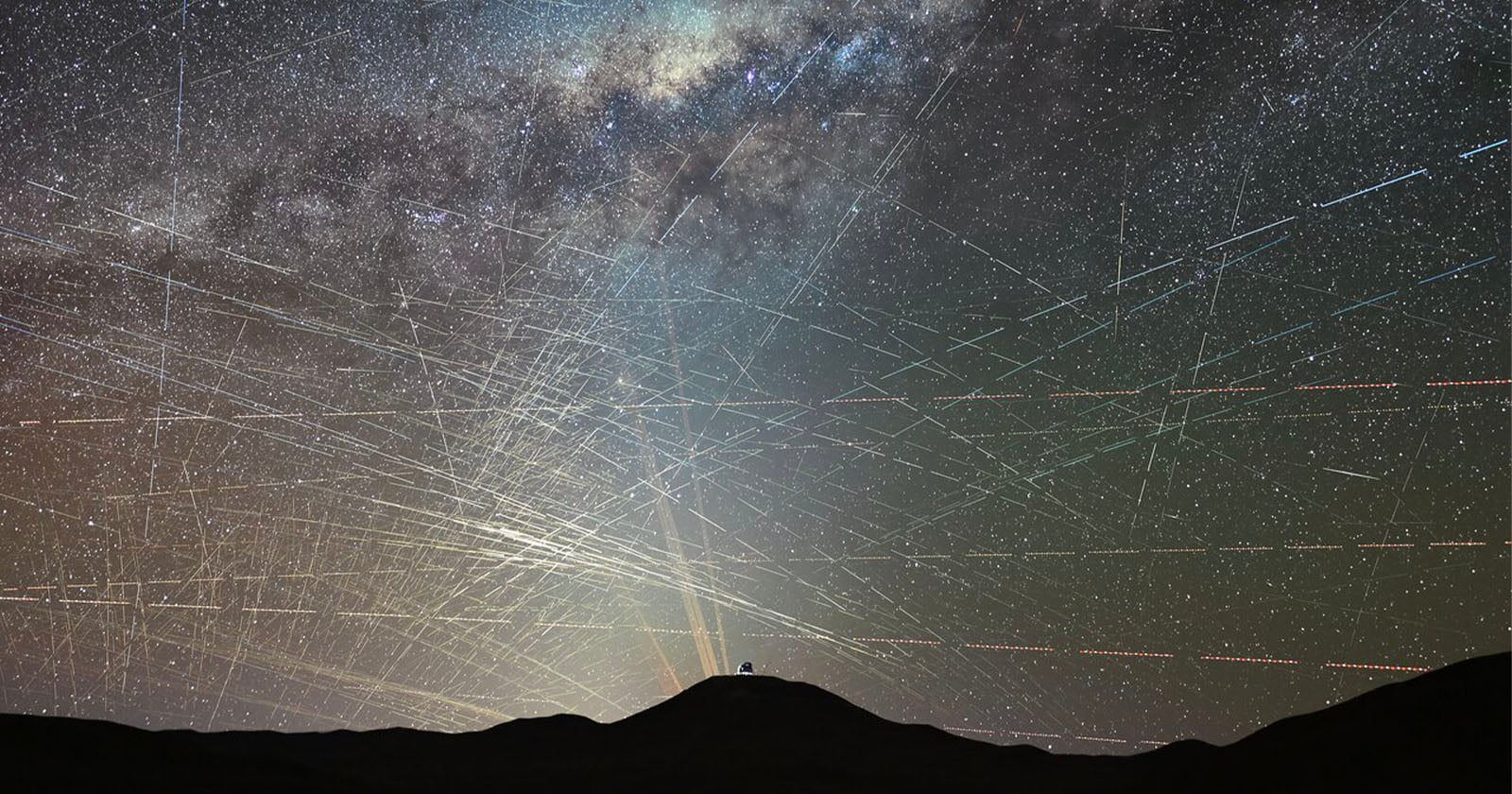
Preserving Our View: The Satellite Sky and the Future of Astronomy
A single satellite can outshine nearly every star in the sky, and one astronomer warns that a planned fleet of 1.7 million could permanently alter our view of the Universe. That is not a distant hypothetical; it is a looming shift in the night's character. The proposals, including some incredibly bright units, promise what he calls devastating consequences for humanity's connection to the cosmos. We are not just losing a view; we are losing a cultural constant.
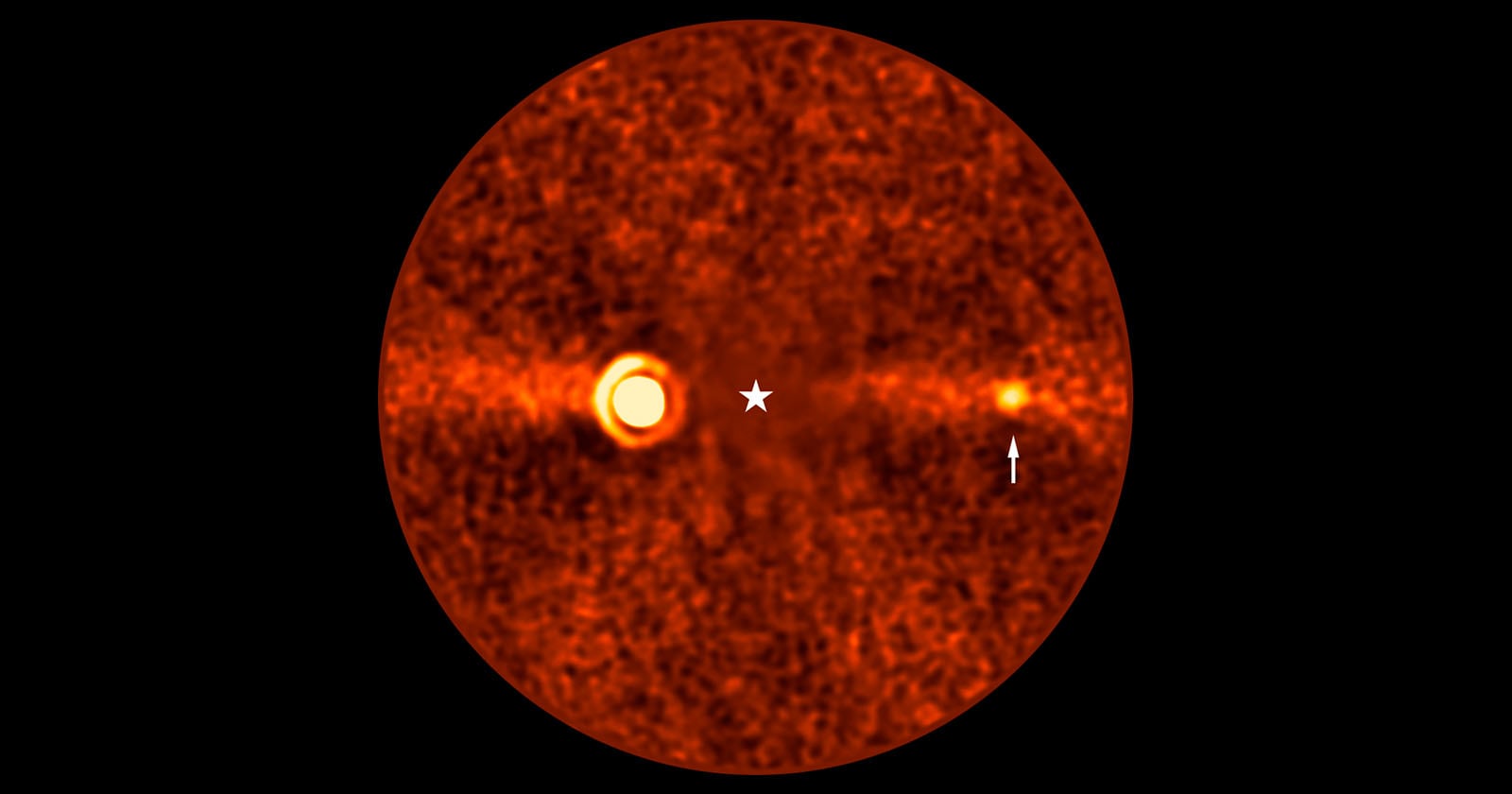
A Hidden Giant: Webb Telescope Reveals New Exoplanet Discovery
Astronomers just proved that the universe loves a good secret. Using the NASA/ESA/CSA James Webb Space Telescope, they uncovered a giant planet hiding in plain sight just beyond our solar system. There is something quietly thrilling about a world this massive staying invisible until we finally looked closer. It is a reminder that discovery often rewards patience, and that Webb keeps reshaping what we think we know.
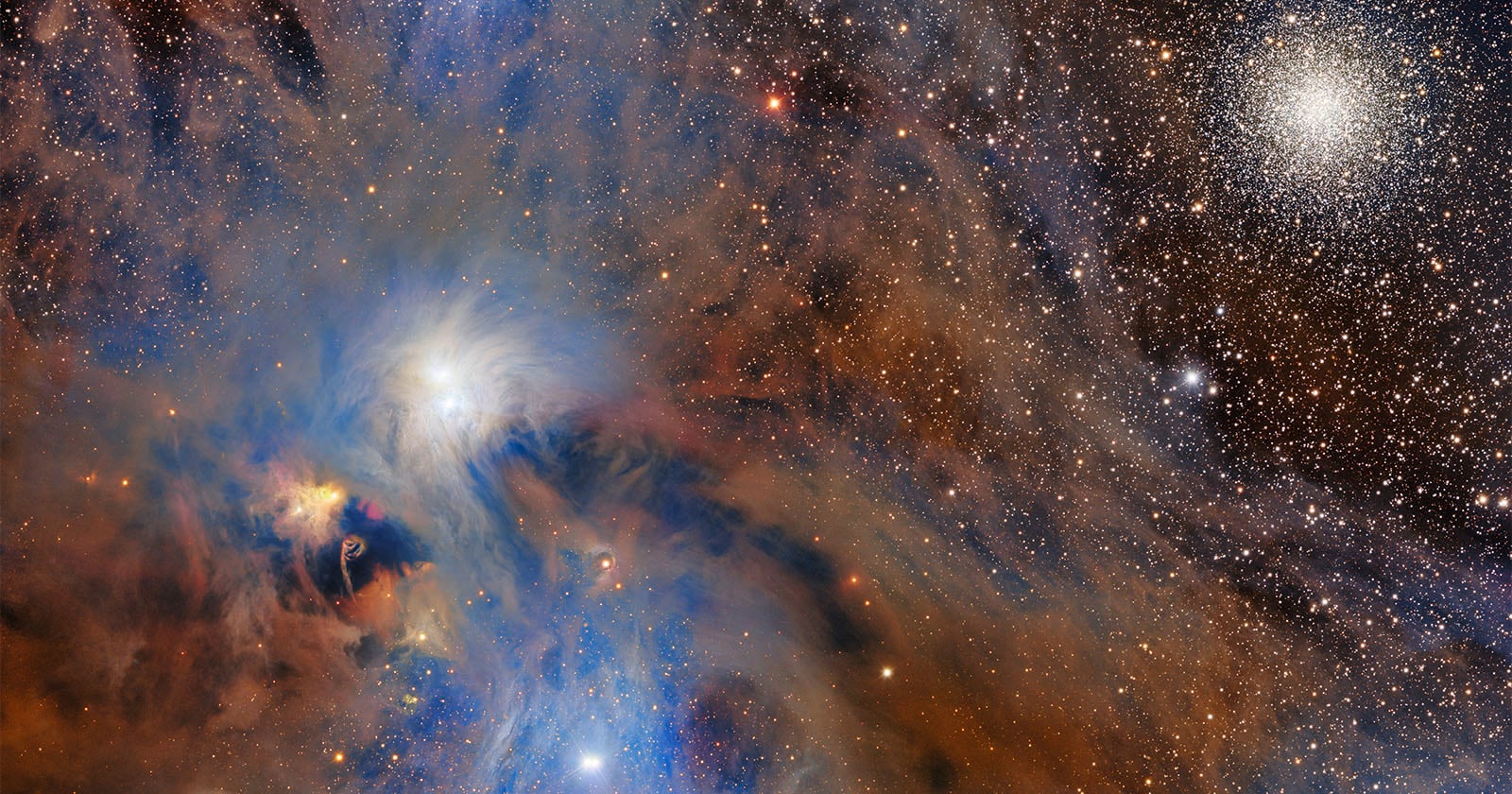
A Starry Night, Captured by Science's Artistic Lens.
A 570-megapixel eye, housed in a Chilean mountain telescope, has turned its gaze toward a cosmic nursery. The Dark Energy Camera captured the Corona Australis Molecular Cloud, one of Earth's closest star-forming regions, with an artist's precision. Science and beauty converge here, revealing swirling dust and nascent light. For another take on capturing the heavens, explore our piece on an astrophotography journey with Nikon. This image is a reminder that the universe's most intimate moments are often its most breathtaking.