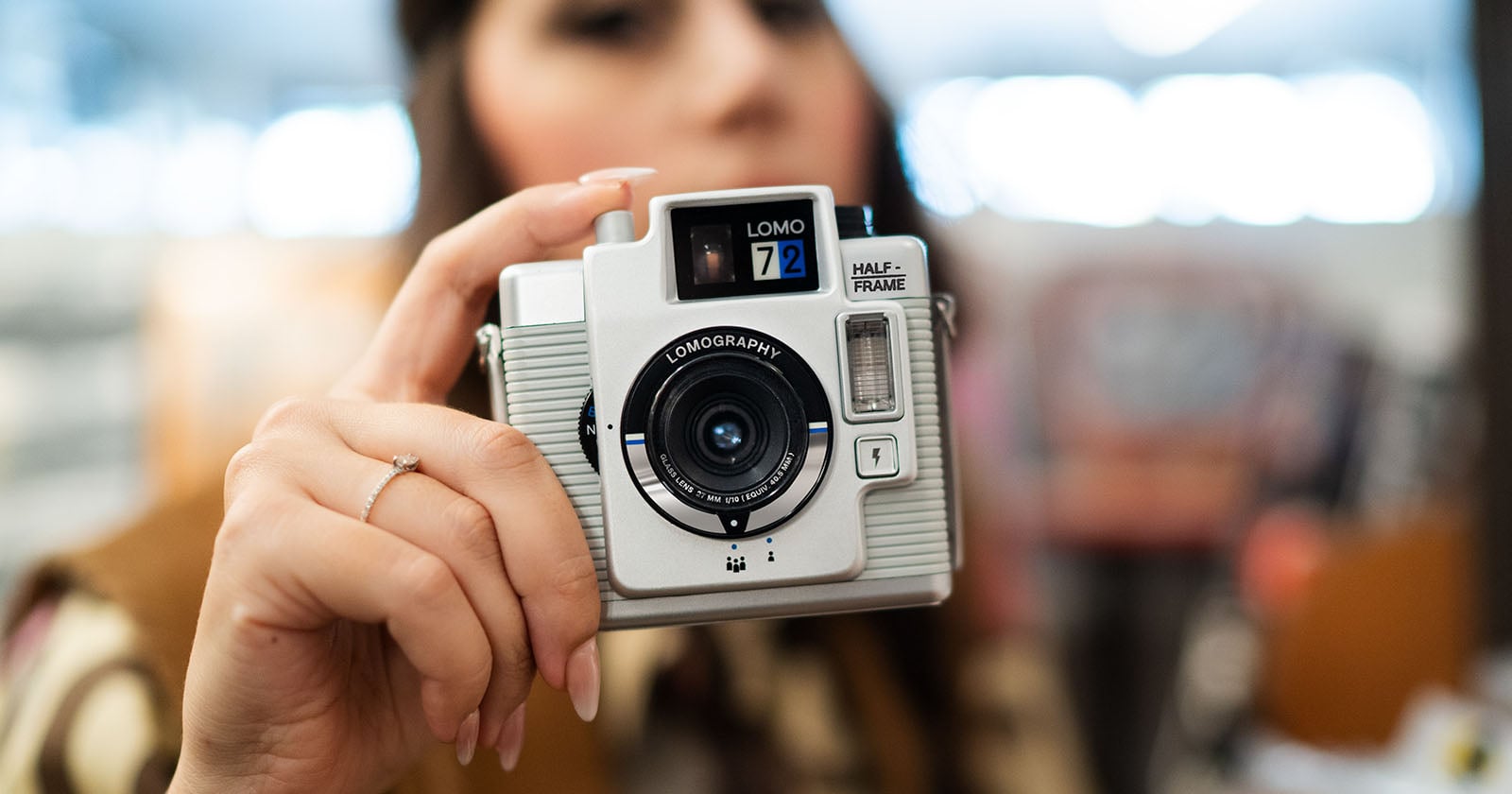
Lomography's Lomo72 is exactly the kind of deliberate, joyful constraint we need right now. By squeezing 72 half-frames onto a standard 36-shot roll, this camera doesn't just double your film count, it fundamentally changes how you see. It asks you to think in pairs, in diptychs, in visual conversations rather than isolated moments. That is a refreshingly artistic proposition in an age of infinite digital storage and zero editing discipline.
For anyone who has ever felt overwhelmed by the sheer volume of images on their phone, the Lomo72 offers a quiet rebellion. Shooting half-frame means every click costs more than just battery life; it costs a finite sliver of your roll. That scarcity sharpens your eye. You start composing not just for the single frame, but for the one that will sit beside it. This is where the camera's true genius emerges: the diptych becomes your basic unit of storytelling. You might pair a close-up of morning coffee with a wide shot of the city skyline, or a friend's laugh with the texture of a worn leather jacket. The camera forces a rhythm that feels closer to poetry than reportage. It echoes the sentiment we explored in When the Tree Lights Flicker, Put the Phone Down, where we argued that the best photographs often come from putting the device down and truly seeing. Here, Lomography has built a device that enforces that mindfulness through mechanics.
We also see a lovely kinship with the recent redesign of the Voigtländer Nokton 35mm f/1.2 Lens Redesigned for Sony and Nikon. Both products honor the primacy of glass and optical craft. While the Nokton pushes the boundaries of speed and sharpness for modern mirrorless systems, the Lomo72 takes a more playful route: its glass lens is designed to be good enough to delight, not clinical enough to sterilize. That distinction matters. This is not a camera for pixel peepers. It is for people who want their images to feel like memories, slightly imperfect, full of warmth, and always part of a larger sequence. The half-frame format also invites a kind of curation that feels natural to the way we already consume visual media. Think of it as a contact sheet you never have to crop. As we noted in The Lomo72 Blends Artful Glass Optics with Playful Half-Frame Creativity, the camera rewards those who embrace its logic rather than fight it.
The concrete takeaway is this: if you have been looking for a way to slow down your photography practice without abandoning the tactile joy of film, the Lomo72 is your tool. Do not buy it expecting razor-sharp enlargements. Buy it because you want to rediscover the art of the edit, the surprise of seeing two images become one story, and the satisfaction of finishing a roll that feels like a complete visual essay. The real question is not whether this camera is good, it is whether you are ready to let go of the delete button and trust the frame.