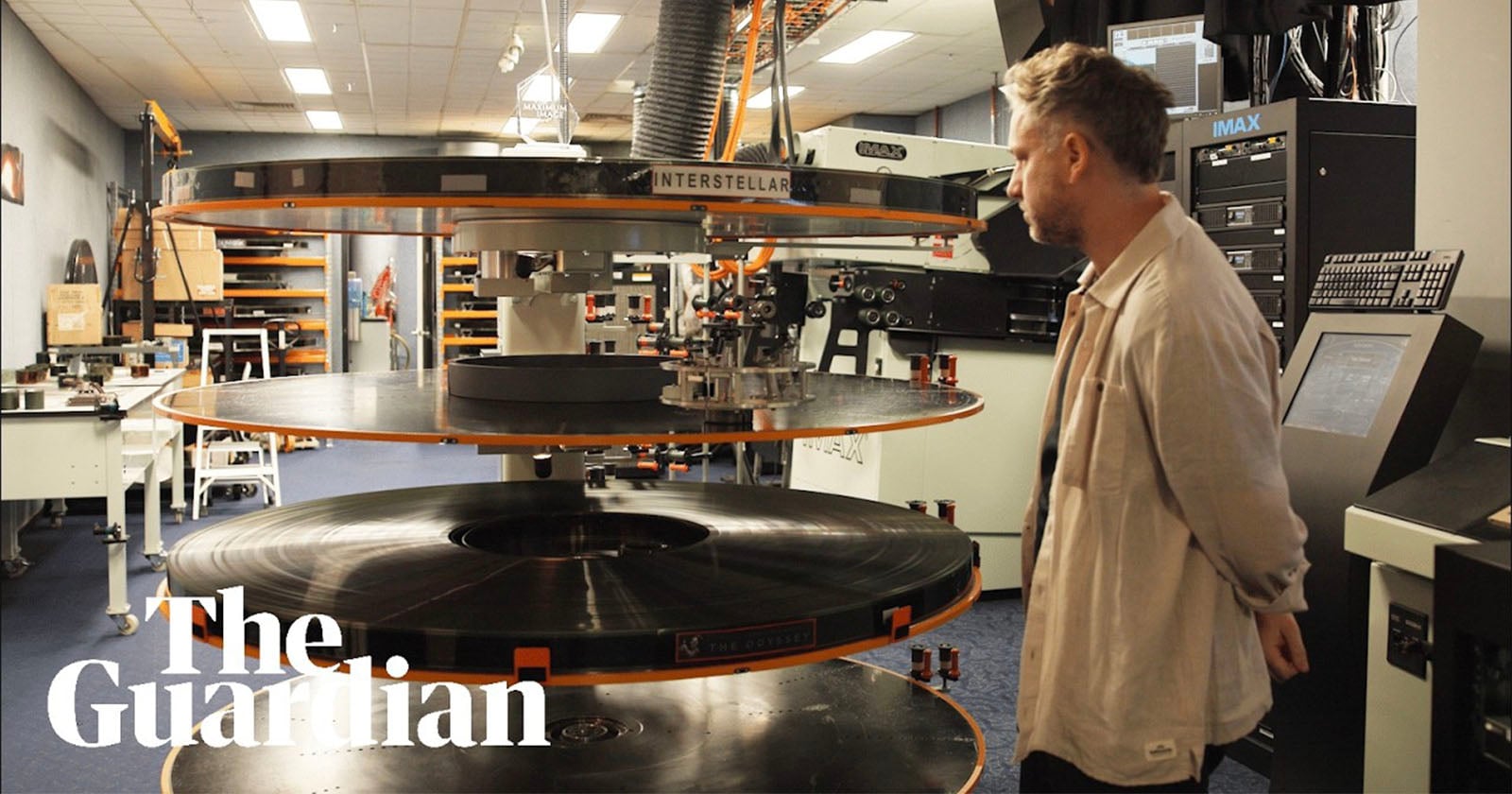
There is something quietly radical about a filmmaker insisting that his epic, shot on the largest celluloid ever created, can only be seen in its truest form by traveling to one of 41 theaters on the planet. Christopher Nolan's *The Odyssey* in 70mm IMAX is not a convenience. It is a pilgrimage. For anyone who has ever chased a perfect image, whether through a viewfinder or under the glow of a darkroom safelight, that exclusivity feels less like gatekeeping and more like an invitation to participate in something rare. It reminds us, in an era of instant streaming, that some experiences demand effort. The same impulse that drives a photographer to seek out the subtle grain of an Embrace the Drama: Exploring the Allure of Ultra-Low ISO Film is the impulse that sends a viewer to a projection booth in another city. The medium is the message, and here the medium is enormous, heavy, and unforgiving.
We are not in the business of telling you to book a flight for a movie. But we will say this: the scarcity of 70mm IMAX screenings is not a bug in Nolan's system, it is a feature. He builds his films for a format that most people will never see, and that tension between ambition and access is precisely what makes the work feel urgent. For our readers, who value both the artistic and the functional, this raises a practical question: what are you willing to travel for? The projectionist in the article stands beside a reel labeled *Interstellar*, a quiet testament to the physical labor behind moving images. That human element, the hands that thread the film, the eyes that check the focus, is something no digital stream can replicate. It is the same tactile philosophy that drives a tool like the Unfold Radiance: The OrBrella FM 60B Light Transforms in Seconds, where the act of unfolding a light becomes part of the creative ritual. Both reward the person who shows up ready to handle the hardware.
Our honest take is that this format war is not really about resolution or frame rates. It is about intention. Nolan is betting that a room full of strangers, watching a gigantic strip of film whir through a projector, will feel something different than they would on a sofa. We think he is right, but we also think the takeaway is more specific than "go see the movie." The takeaway is this: **if you care about how stories are made, you have to care about how they are shown.** The 41 theaters are not a barrier, they are a curatorial filter. They separate the casual viewer from the one who understands that the container shapes the content. For our audience, who already appreciate the difference between a snapshot and a composition, this is a familiar distinction.
What we would tell a reader who asks whether it is worth the trip is this: ask yourself if you have ever regretted making time for something beautiful that required you to leave your house. The answer is probably no. And in a world where every convenience is optimized for speed, choosing the slow, heavy, analog path is itself a creative statement. Watch how the projectionist handles that reel. Notice the scale of the equipment. Then decide if you want to be part of that room. The real story here is not the film, it is the decision to go see it on its own terms.