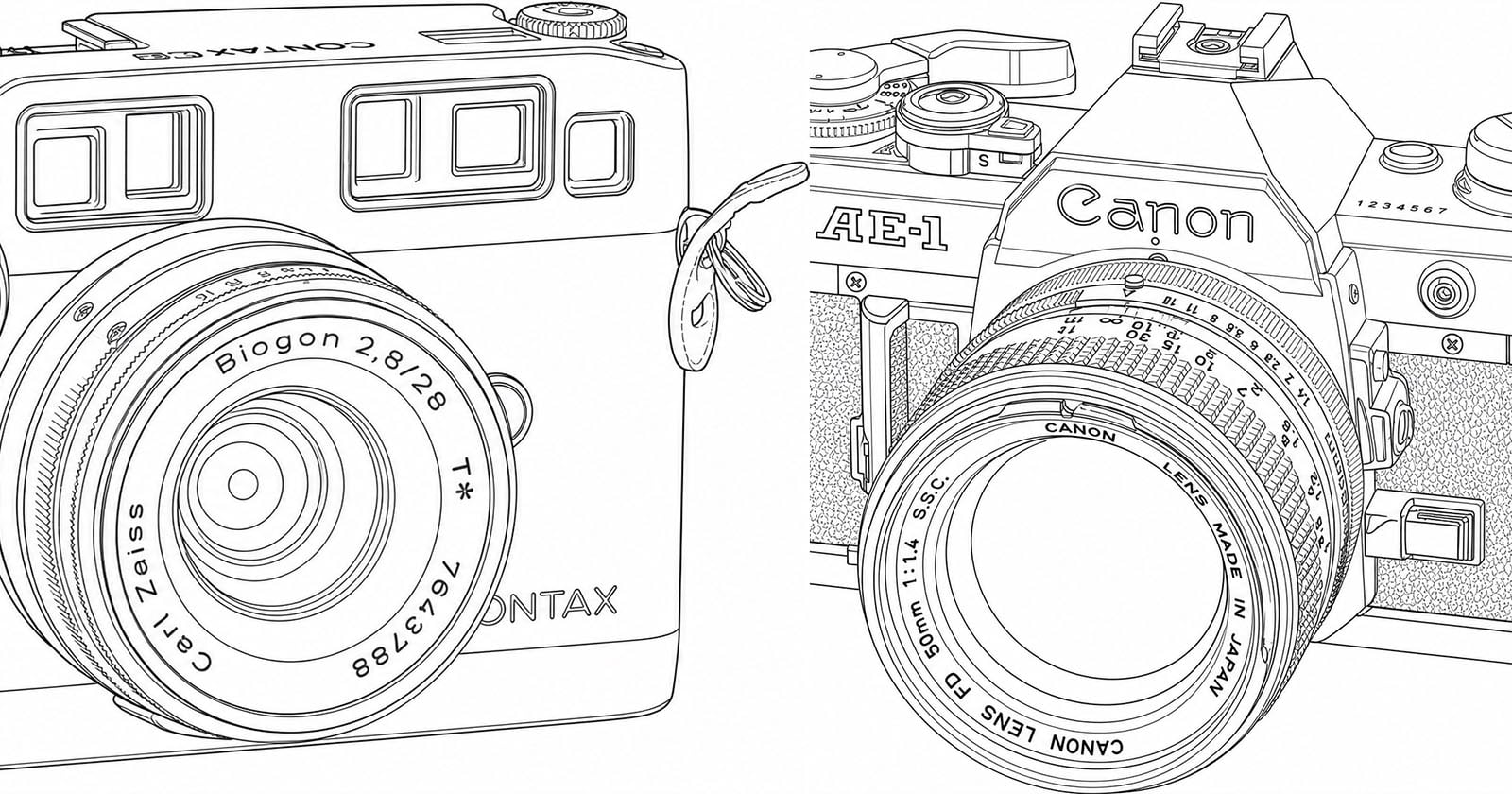
There is something quietly radical about a single person deciding that every film camera ever made deserves a recorded existence. Pierro Pozella, a repairer and enthusiast, has launched an ambitious website with exactly that aim: a curated archive for every film camera ever created. This is not a corporate database or a Kickstarter-funded vanity project. It is one craftsman's response to a world that has largely moved on, and we find that deeply inspiring.
For readers who have been following the analog revival closely, this project feels like the natural counterpart to the playful experimentation we have seen elsewhere. Lomography recently announced the 72 Frames, One Roll: The Lomo72 Captures Life in Curated Half-Frames, a half-frame camera that invites you to see the world in diptychs and double exposures, a celebration of spontaneity. Meanwhile, the The Lomo72 Blends Artful Glass Optics with Playful Half-Frame Creativity reminds us that modern manufacturers are still pushing the boundaries of what a film camera can be. Pozella's archive sits at the other end of the spectrum: it honors every quiet, forgotten, mass-produced or one-off camera that ever held a roll. Together, these stories paint a fuller picture, one where the future of film is built on equal parts invention and reverence.
What makes this effort stand out is its practicality. Pozella is not a historian writing a coffee-table book; he is a repairer who has likely held more broken cameras than most of us will ever own. His archive is born from hands-on knowledge, not academic distance. For the enthusiast who has inherited a dusty Soviet rangefinder or a plastic point-and-shoot from the 1990s, this could become the definitive place to answer the question: "What is this thing, and is it worth fixing?" In an era where information is scattered across forums and abandoned blogs, a single, curated source is a genuine gift.
The open question, of course, is scale. "Every film camera ever made" is a promise that will take years, perhaps decades, to fulfill. Pozella will need the community's help, and that is where the project becomes more than a database. It becomes a collective act of preservation. We will be watching to see whether he opens submissions for contributions, and whether the archive remains as rigorous and authentic as its founder's reputation suggests. For now, the first frame has been shot.