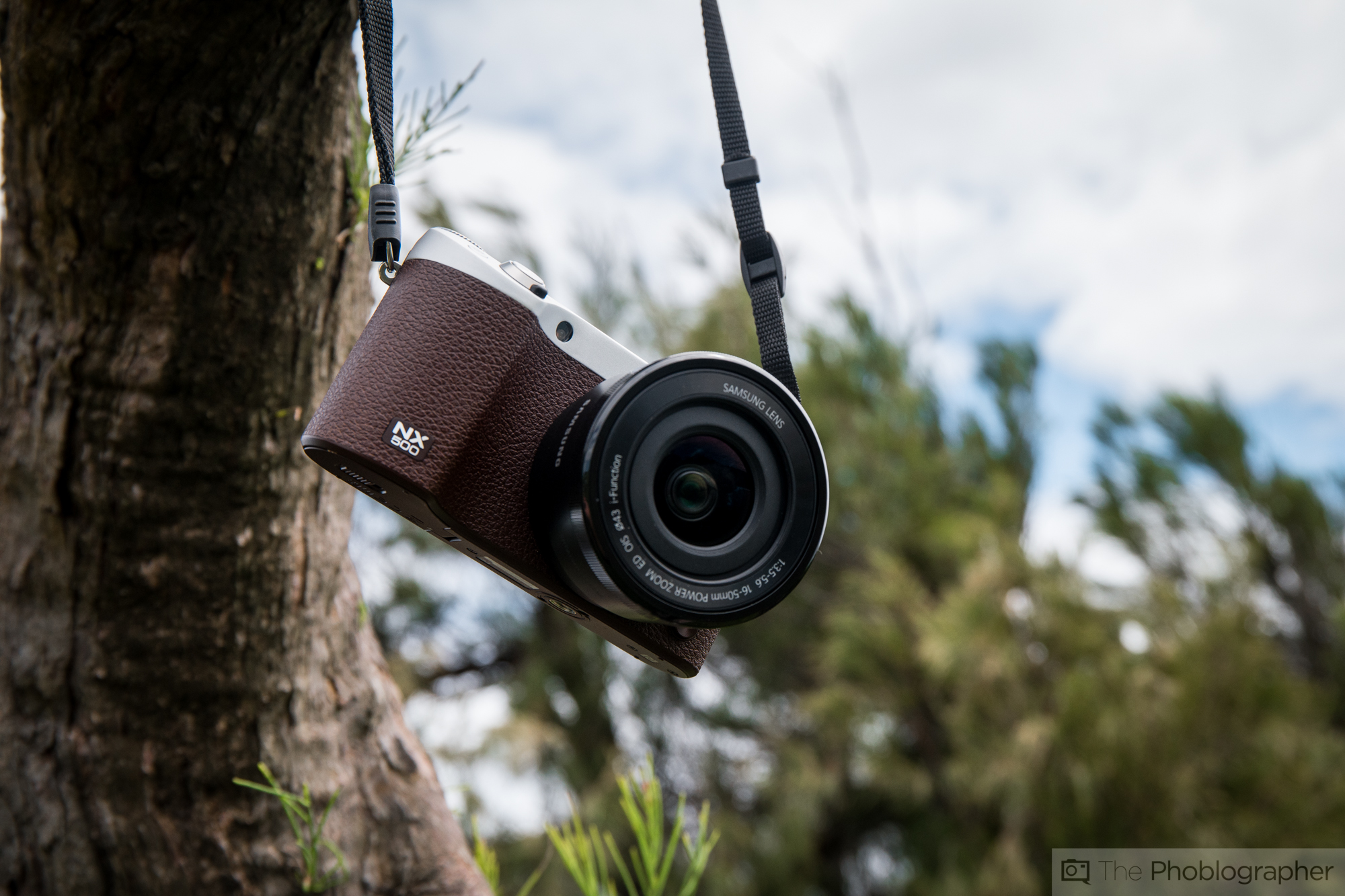
The patent that lets us undo an AI-edited photo after the original file has been deleted is not a niche tool for forensic specialists, it is a quiet restoration of trust in the frame itself. We think this is the most meaningful step toward authenticity we have seen in a long while, precisely because it does not try to stop editing or shame the editor. Instead, it offers a way back to the source, a digital negative for an age when the negative no longer exists. That is a gift to every image-maker who has ever stared at a manipulated file and wondered what the truth looked like before the algorithm got its hands on it.
For photographers, the practical value is immediate and tangible. When a client asks for a version without the sky swapped or the skin smoothed, and the original is gone, the conversation usually ends in a shrug. This patent changes that dynamic, giving the creator a recovery path that does not depend on disciplined backup habits or the kindness of a cloud service. It also matters for the broader web, where the line between a photograph and a rendering has blurred to the point of invisibility. We have been thinking a lot about curation lately, especially with A Curated Return: Life Magazine Revives Its Lens on the World reminding us how much authority a single frame once carried. Life's return is about the power of the printed image; this patent is about the integrity of the digital one. Both speak to a hunger for something we can believe is real. And in the same spirit of accessible image-making, The Art of Phone Photography Meets the Latest Godox Innovation shows how far the craft has traveled from the darkroom, making the ability to reverse an edit feel less like a luxury and more like a basic right.
We are not naive about the limits. The patent does not promise to catch every manipulation, nor does it explain how it will handle images that have been through multiple rounds of editing, cropping, and re-encoding. The devil will be in the implementation, and we suspect the first versions will be far from perfect. But the direction is what excites us: an industry that has spent years racing toward more convincing artificiality is finally building a tool for the opposite. That is a shift worth watching, not because it will solve every authenticity crisis overnight, but because it reframes the conversation. The question is no longer "how do we prove a photo is fake?" but "how do we get back to what was actually there?"
The specific detail to watch is whether this becomes a consumer feature or stays locked in professional workflows. If Samsung brings this to a phone camera app, it will be the first time an average user can hit "undo" on an AI edit with confidence. That would change how we share, how we archive, and how we trust the images we scroll past every day. For now, we are simply glad someone is building a path back to the original frame, not just forward to a more perfect one.