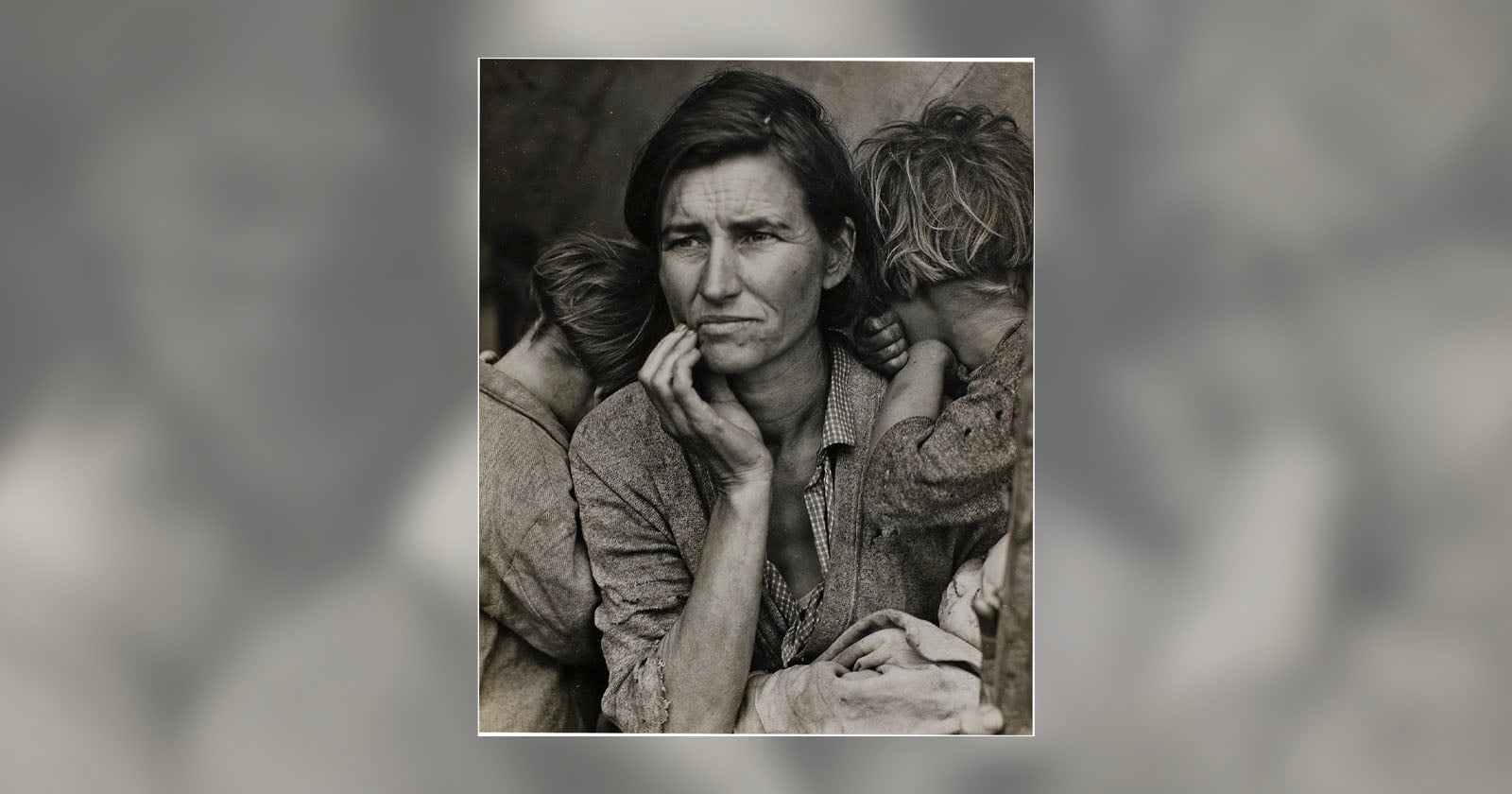
There is something quietly radical about a single image holding its value across nearly a century, and the early print of Dorothea Lange's *Migrant Mother* now at Sotheby's reminds us that great photography is never just a document, it is a conversation between the subject, the moment, and the person who finally stops to look. This is not a collectible for the sake of ownership; it is a chance to own a piece of how we learned to see each other, and that distinction matters for anyone who cares about the intersection of art and life.
For our readers, creators, collectors, and those who find beauty in the everyday, this auction is a quiet invitation to reconsider what makes an image endure. Lange's portrait of Florence Owens Thompson was never meant to be a museum piece; it was a working photograph, shot for the Resettlement Administration to document the human cost of the Great Depression. That it now commands a valuation of $150,000 speaks to how authenticity, when captured with empathy, transcends its original purpose. Compare this to the playful risk-taking we explored in Finding the Art in the Quirky: A Playful Leap of Faith, where we argued that unique shooting experiences often come from embracing imperfection. Lange's frame is not technically perfect by modern standards, yet its raw emotional weight has made it one of the most recognizable photographs in history. That is the kind of enduring power no spec sheet can replicate.
This also raises a practical question for anyone building a personal collection or curating a space: are you buying for the name, or for the story? The Sotheby's listing is explicit about the print's provenance and early date, which adds to its allure, but the real value lies in what the image still says about resilience and dignity. It is a lesson in seeing past the obvious, much like the tension we examined in When the line between art and offense becomes a jail cell, where a single AI-generated image in Singapore led to a decade-long prison sentence. Context and intent define how an image lands, and Lange's work reminds us that a photograph can be both a historical artifact and a living emotional touchstone.
The specific takeaway here is direct: if you have the means and the instinct, this is not a passive investment. It is an active choice to hold a piece of visual history that still asks questions about poverty, motherhood, and the American experience. Whether you bid or simply pause to look, let this print be a reminder that the best images do not just document, they demand a response. Watch how the auction unfolds, and ask yourself what kind of story you want your own images to tell.