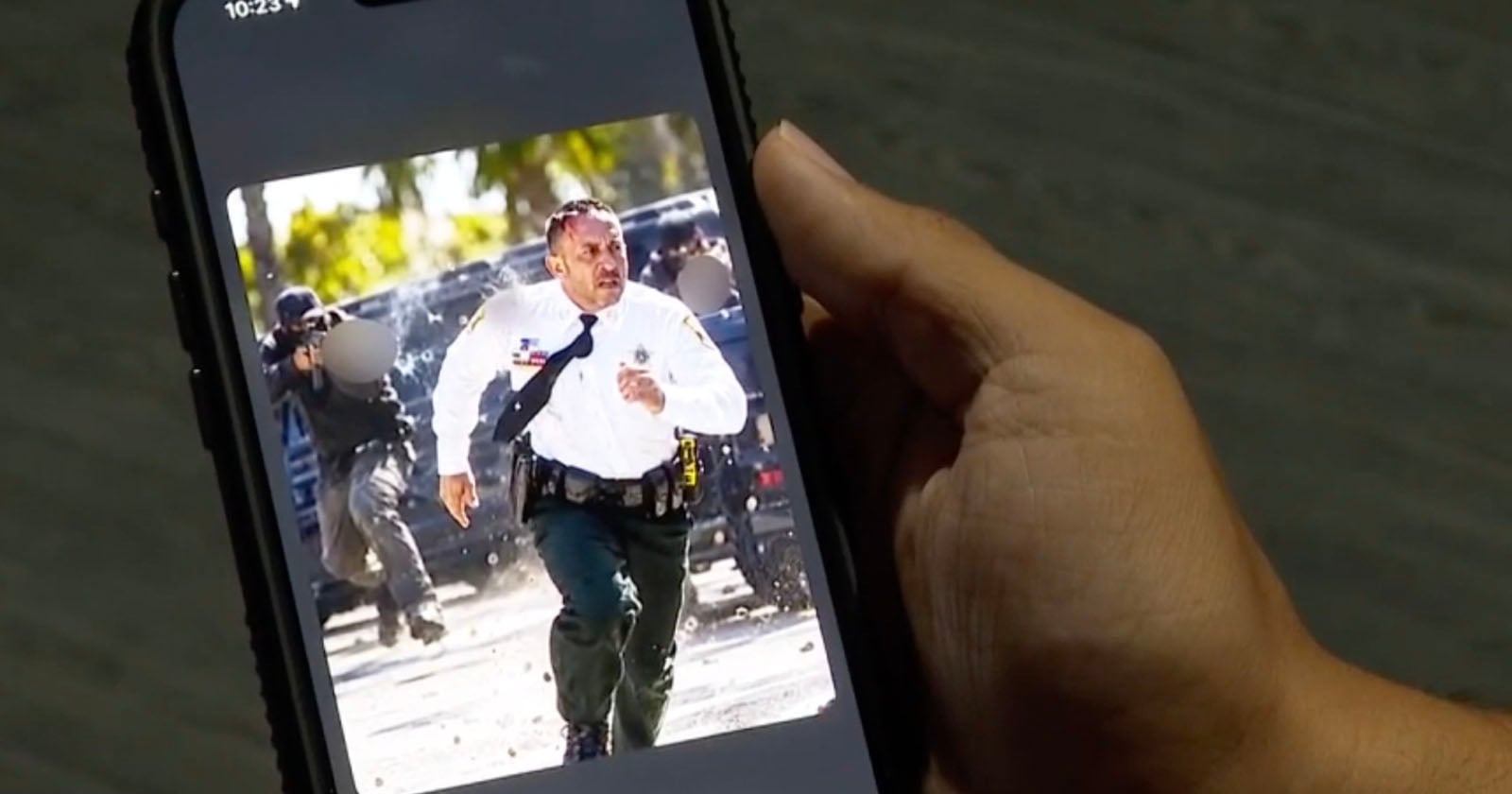
The arrest of a Florida man for sharing an AI-generated image of a sheriff feels less like a necessary safeguard and more like a warning flare for anyone who creates or shares synthetic art. When the line between art and offense becomes a jail cell, we must ask whether the law is protecting the public or punishing the act of imagination itself. For our readers, who move fluidly between creative expression and curated living, this story carries a practical lesson: the tools we use to make beauty, humor, or commentary now come with legal risks that demand our attention.
Just days after we covered a similar case in When a Crocodile Wasn't Real, But the Charge Was, where a Singaporean man faces up to ten years for posting an AI-generated crocodile image, this Florida incident confirms a troubling pattern. The details here are sparse, the PetaPixel report notes the man is behind bars for sharing a synthetic image of a law enforcement officer, but the implication is clear: authorities are treating AI-generated visuals as legally actionable in ways that could chill the very experimentation our community values. Compare this to the creative possibilities explored in The Art of the Image: Snapdragon's New Vision for Mobile Photography, where mobile processors are unlocking new artistic frontiers. What happens when a tool designed for wonder becomes a trap?
Our opinion is straightforward: a society that locks up people over synthetic crocodiles and digital caricatures is not being careful, it is being reactionary. We are not defending threats or harassment, but the reported charges stem from an image, not an action. The Florida man was arrested for sharing, not for committing a violent crime. This matters deeply for the creative professional and the health-conscious enthusiast who uses AI to mock up a workout poster or a fashion concept. If a prosecutor can argue that an image is a threat, the boundaries of artistic freedom shrink to whatever a judge decides is acceptable that day.
The specific takeaway here is immediate: before you share an AI-generated image that features a public figure or authority figure, ask yourself whether that image could be interpreted as a threat. This is not about self-censorship, it is about understanding that the legal system has not caught up to the technology. While we celebrate the immersive potential of tools like the iPhone 18 Pro's variable aperture and the artistic control they offer, we must also reckon with the fact that the same platforms hosting our curated aesthetics are now hosting criminal charges. The question worth watching: will these arrests deter genuine malice, or will they simply make creators think twice before pressing "post" on anything even slightly edgy?