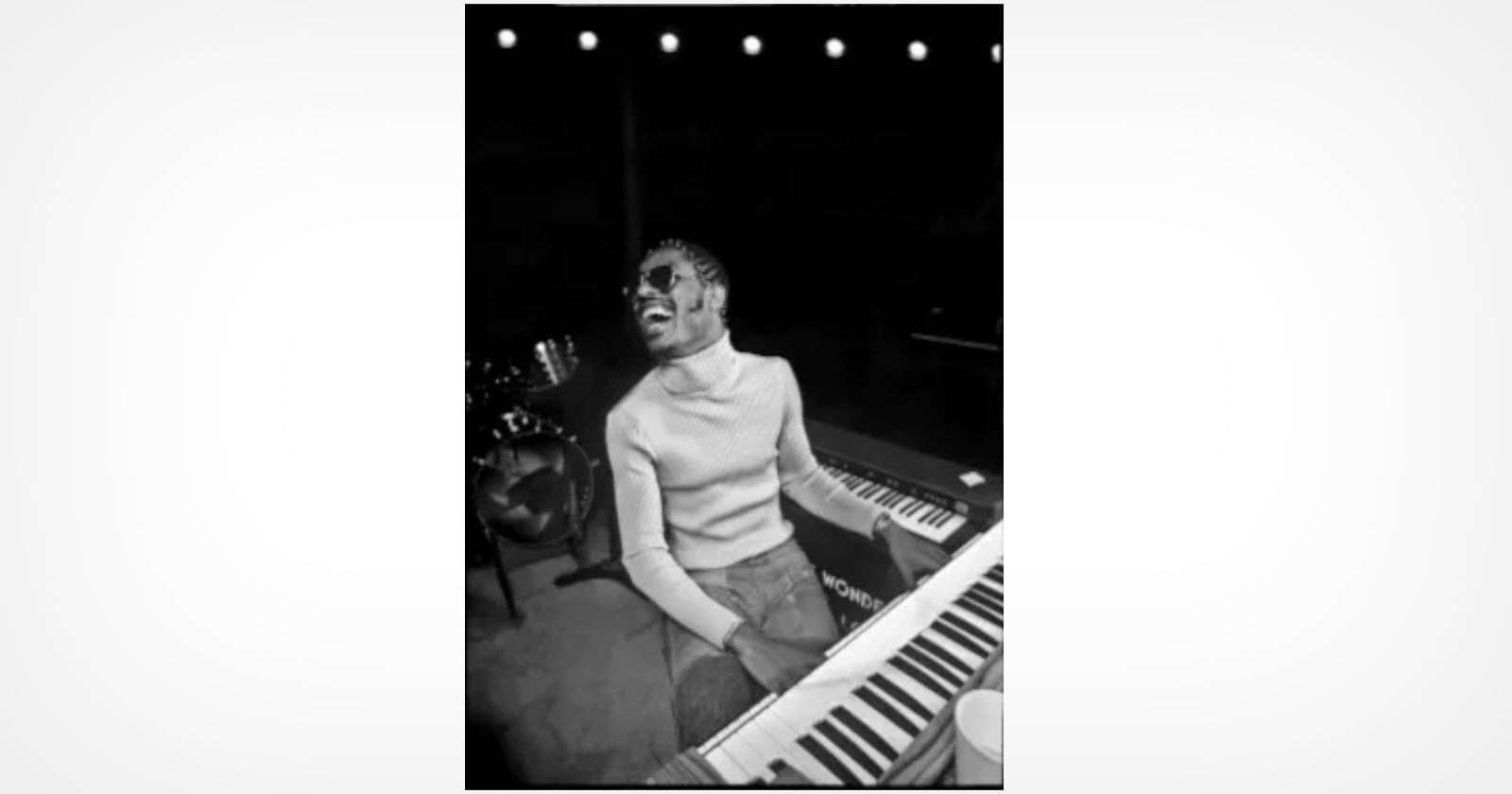
A photographer's 1974 portrait of Stevie Wonder is more than a picture; it is a cultural artifact, a moment frozen in light and shadow that captures the soul of an artist at the peak of his creative power. That Sony chose to post this image on Instagram without permission is not just a legal misstep, it is a failure of respect for the craft that built the very visual language the music industry depends on. For our readers, who navigate worlds where artistry and authenticity are non-negotiable, this lawsuit is a reminder that the line between inspiration and appropriation is drawn with the shutter click.
We stand firmly with the photographer. The act of curating an image, selecting the frame, the light, the exact fraction of a second, is the same act of authorship that defines any other art form. When a corporation with the resources of Sony bypasses that authorship, it diminishes the value of the work and, by extension, the entire ecosystem of creative professionals who make our visual culture vibrant. This case echoes the tension we explored in After 28 Years of Free Captures, a Photographer Is Shut Out, where a decades-long volunteer arrangement was abruptly severed, revealing how easily institutions can overlook the human labor behind beloved images. Similarly, the Stevie Wonder portrait is not a generic asset to be plucked from a search; it is a specific, curated vision that demanded both technical skill and an intimate understanding of the subject.
The irony deepens when we consider the tools of the trade. Sony, a titan in camera and lens manufacturing, profits from selling the very instruments that allow photographers to create these iconic works. Meanwhile, companies like Leica celebrate their own heritage with limited-edition finishes, as seen in Leica revives a rare hammertone finish for its iconic M-A and M11-P, a move that honors the material history of photography. The contrast is stark: one company venerates the object, while another treats the resulting image as free content. This is not about a single Instagram post; it is about whether the industry that sells us cameras also respects the artists who wield them.
What does this mean for you, the creative and the enthusiast? It means that rights and permissions are not bureaucratic footnotes, they are the foundation of a sustainable artistic economy. The photographer's decision to sue is a concrete stand for that principle, and the outcome will set a precedent for how easily a major brand can borrow an "iconic" image without a license. Watch how Sony responds. Their answer will tell us whether they see photographers as partners or as sources of raw material. That is the detail worth following.