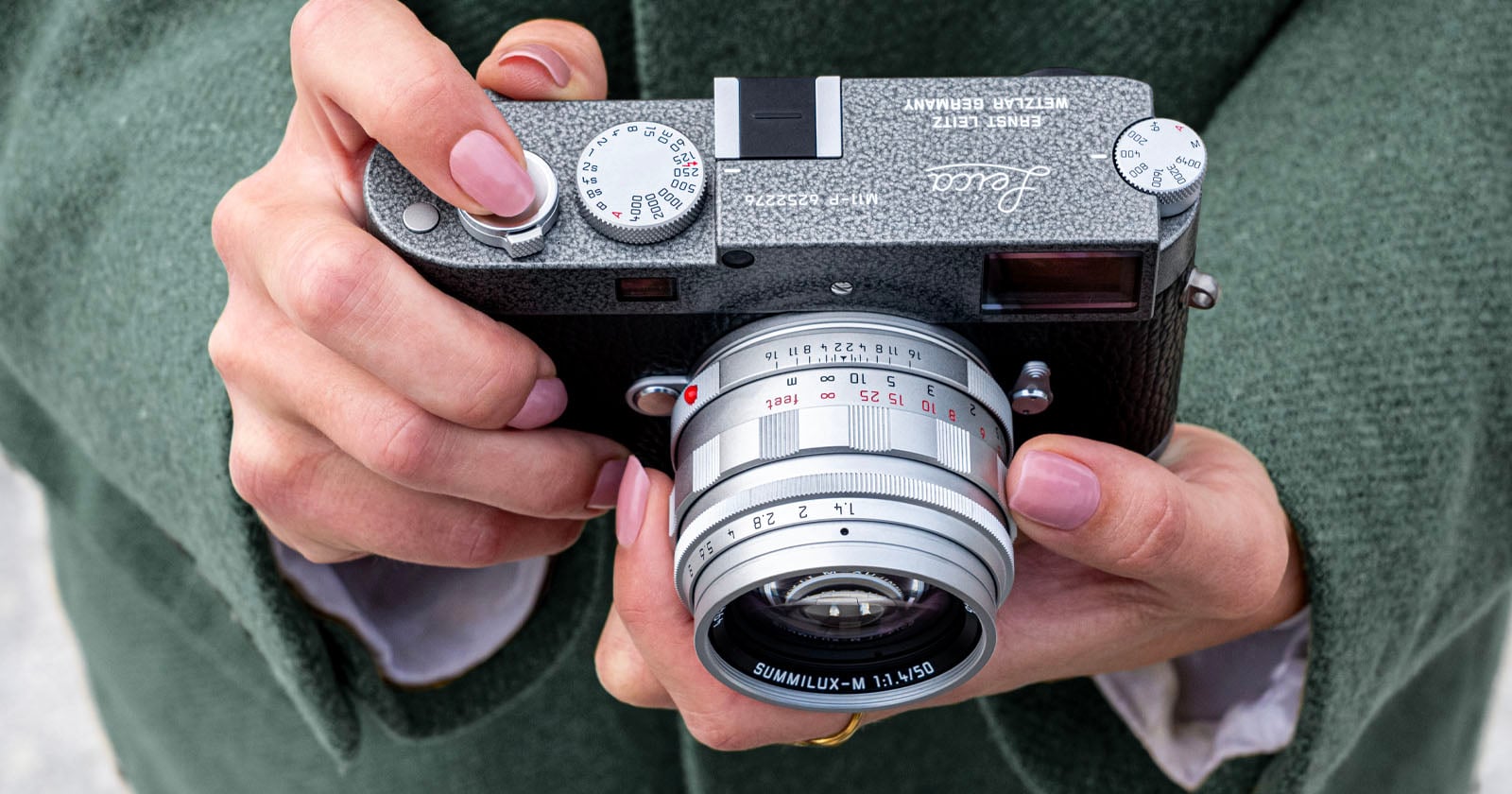
There is something quietly radical about Leica bringing back the hammertone finish for the M-A and M11-P, and it has nothing to do with specs or megapixels. This is a decision rooted in the belief that how a tool looks and feels matters as much as what it can do. It is a rare, deliberate gesture in an industry that often treats design as an afterthought, and it speaks directly to the kind of photographer who sees the camera not just as a device but as an extension of their own creative vision, a curated object that shapes how they move through the world.
For our audience, this is not merely a nostalgia play. The hammertone texture, with its subtly dimpled surface that catches light in unexpected ways, offers a tactile experience that demands a slower, more intentional relationship with the act of making an image. It is the same sensibility that drives the appreciation of a finely crafted lens like the Three Zeiss ZM 35mm Lenses and the Art of Seeing Anew, where the pleasure of the process becomes inseparable from the final photograph. Leica is betting that a significant number of us still want that friction, the weight, the texture, the ritual, even as the rest of the market races toward lighter, flatter, and more disposable. This is not about being retro; it is about being intentional.
The choice to offer this finish on both the film-based M-A and the digital M11-P is also telling. It suggests that Leica sees no contradiction between analog and digital workflows when the philosophy behind the tool is consistent. Both cameras share a minimalist interface and a focus on the essentials, and the hammertone finish reinforces that common ground. This echoes the kind of thinking we admired in the Custom firmware unlocks the filmic soul hidden inside the Instax Pal 2, where a community found a way to inject intentionality into a device that had been designed for speed. Leica is doing the opposite here, starting from a place of intentionality and letting the finish announce it.
The practical takeaway is this: if you have been waiting for a reason to invest in a camera that feels less like a piece of consumer electronics and more like a personal artifact, this edition is likely that reason. The hammertone finish is rare for a reason, it is difficult to execute consistently, and Leica does not revive it lightly. That scarcity means the decision to acquire one carries weight, and it should prompt the question of what kind of photography you want to make, not just what kind of camera you want to own. The real question is whether the texture changes the way you see, or whether it simply changes the way you are seen. For the right photographer, it does both.