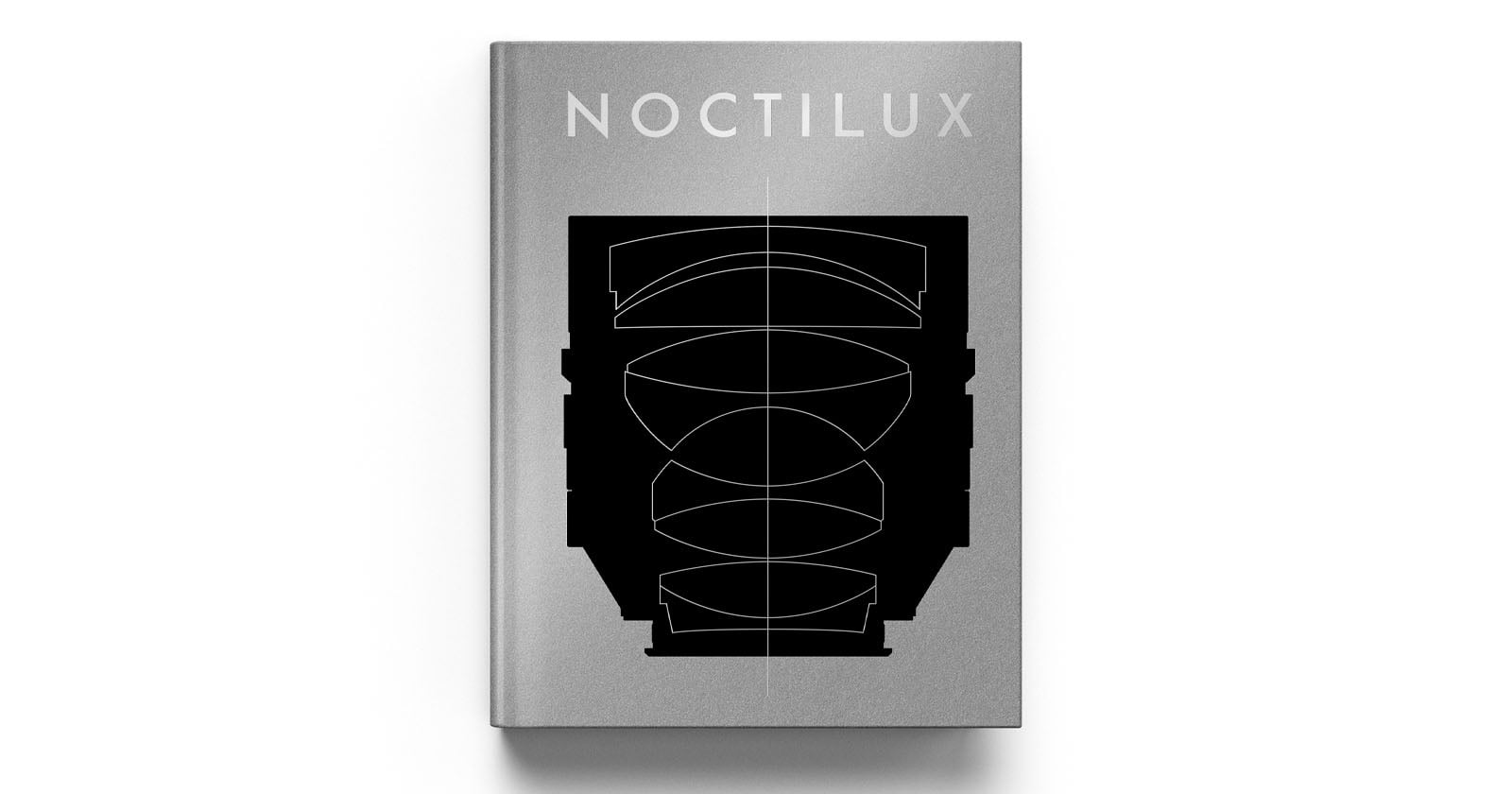
The Noctilux is not merely a lens; it is a philosophy made tangible through glass and metal, and Leica's new book celebrating sixty years of its evolution is the kind of artifact that reminds us why we chase light in the first place. Our take is simple: this is a masterclass in how audacity, when paired with relentless craft, becomes legend, and it offers a rare, practical lesson for anyone who believes that tools can be as expressive as the art they create.
From the first series-produced Leica lens with aspherical surfaces to the latest wide-angle variant, the story of the Noctilux is one of optical rebellion. It is a lineage that refused to accept that speed must compromise clarity, or that ambition must bow to convention. This book lays that journey bare, and for our readers, whether you are a working photographer, a collector, or simply someone who appreciates where art meets engineering, it is an invitation to understand not just what a lens does, but what it means. It echoes the spirit we recently explored in Where Art Meets Optics: Crafting the Lens at Okaya, where the human hand and the optical bench converge to create something that feels alive. The Noctilux book is that same story, told across six decades of iteration and risk.
What resonates most is the tension between the lens's legendary status and its deeply personal utility. A Noctilux is not a tool for the timid; it demands that you step into the shadows, that you trust the wide-open aperture to capture what the eye barely sees. This is a lens that has shaped the visual language of cinema and still photography alike, and its anniversary book honors that legacy without becoming a museum piece. It is, instead, a curated narrative of how a single audacious idea, a fast, high-quality lens for the everyday shooter, refused to die. We see a parallel in Ron Howard's lens meets Avedon's artistry in a critically adored Netflix debut, where the instrument becomes inseparable from the artist's eye. The Noctilux has been that instrument for generations of image-makers, and this book finally gives their tool its own portrait.
The specific takeaway here is that the Noctilux story challenges the notion that innovation is a straight line. Leica did not perfect the formula and stop; they kept pushing into wider angles, faster apertures, and new optical architectures. The result is a family of lenses that each feel distinct, yet share a DNA of uncompromising vision. For our readers, the question is not whether to buy the book, though it is certainly a beautiful object, but whether we are willing to treat our own creative tools with the same patience and ambition. The final detail to watch is the book's treatment of the newest wide-angle variant: will it signal a new chapter, or is this a closing of a circle? Either way, the light they captured sixty years ago is still worth chasing.