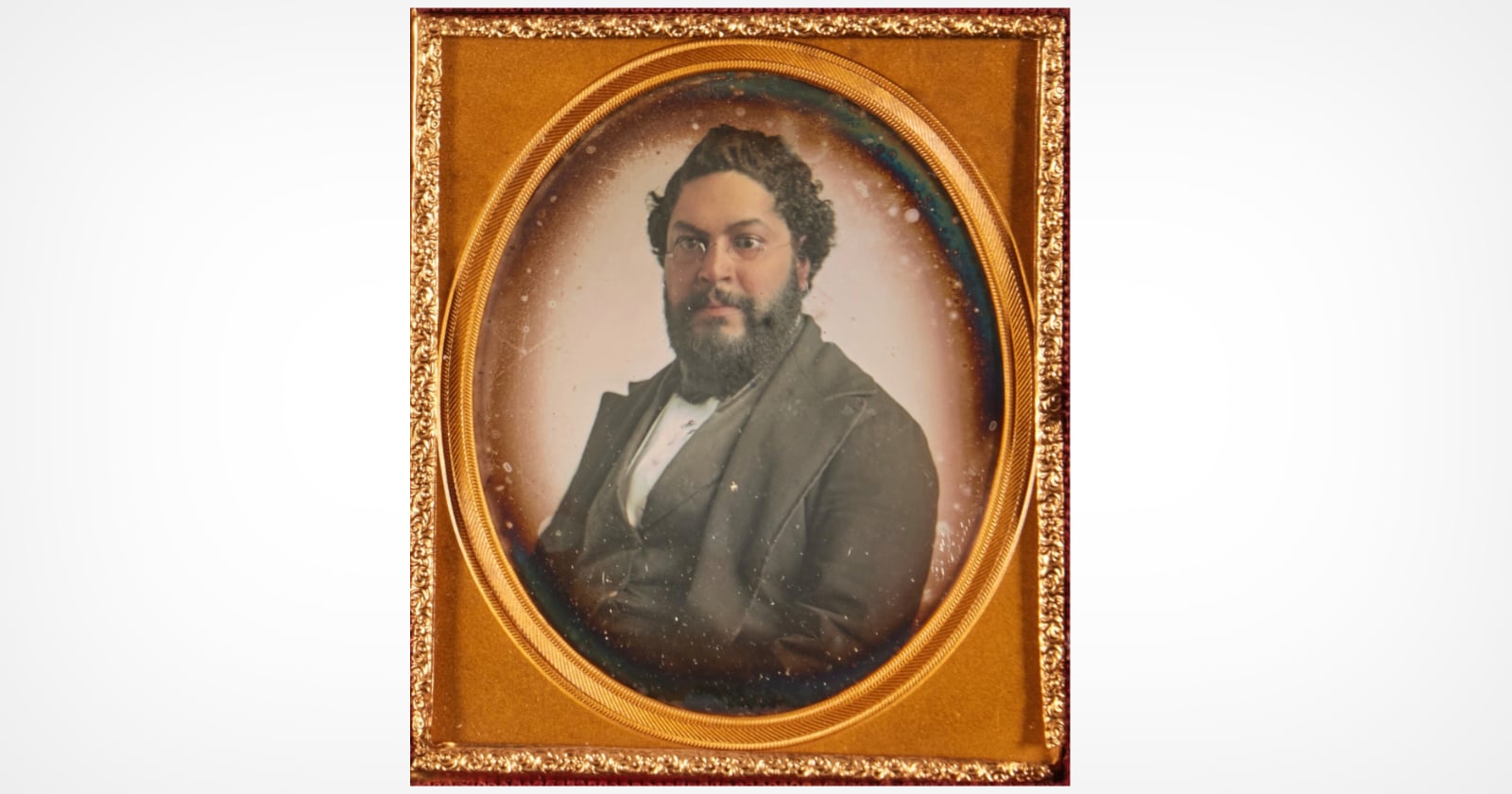
History has a way of surfacing when we least expect it, often in a single, quiet image. The recent discovery of the only known daguerreotype of George Boyer Vashon, New York's first African American attorney, is one of those moments. And our take is simple: this portrait is not just a historical artifact; it is a direct challenge to how we remember, curate, and value the past. For our readers, who appreciate the intersection of artistry, authenticity, and cultural depth, this find is a masterclass in what a single frame can hold.
We often celebrate the rare and the beautiful, from the unexpected thrill of a Vintage Halloween portraits capture a hauntingly artistic mid-century charm to the serendipitous discovery of a A rare Leica prototype lands in the unexpected aisles of Goodwill. These stories remind us that objects carry stories far beyond their initial purpose. Vashon's daguerreotype operates on the same principle, but with a weight that shifts from the aesthetic to the archival. This isn't a lucky find in a thrift store; it's a deliberate act of preservation that rewrites a missing chapter in New York's legal and social history. The image itself, a sharp, silver-toned portrait from the mid-19th century, demands we reconsider who gets to be remembered and how their legacy is framed.
What makes this discovery feel so urgent is the practical consequence for how we engage with history today. Vashon was not only a lawyer but a teacher, a poet, and a figure who navigated a world that systematically tried to erase his achievements. This daguerreotype is proof that he was seen, that his presence was documented, and that his story was worth capturing. For a community that values authentic narratives over generic ones, this portrait is a corrective. It asks us to look closely, to question what other images are still waiting in attics or archives, and to understand that visibility, whether in art, fitness, or fashion, is a form of power. The parallel to our own curated lives is unavoidable: what we choose to document and share becomes the story that survives.
The most concrete takeaway here is that one image can fundamentally alter a historical record. We now have a face to attach to a name that previously existed only in legal texts and footnotes. The next step is what we do with that knowledge. Will this portrait inspire a deeper search for other lost images of early Black professionals? Will it change how museums and collectors prioritize their acquisitions? For our audience, who moves between the worlds of luxury, creativity, and conscious living, the answer is to treat this discovery not as a footnote, but as a call to action. Find the images that haven't been seen. Curate them with intention. And never underestimate the power of a single, authentic frame.