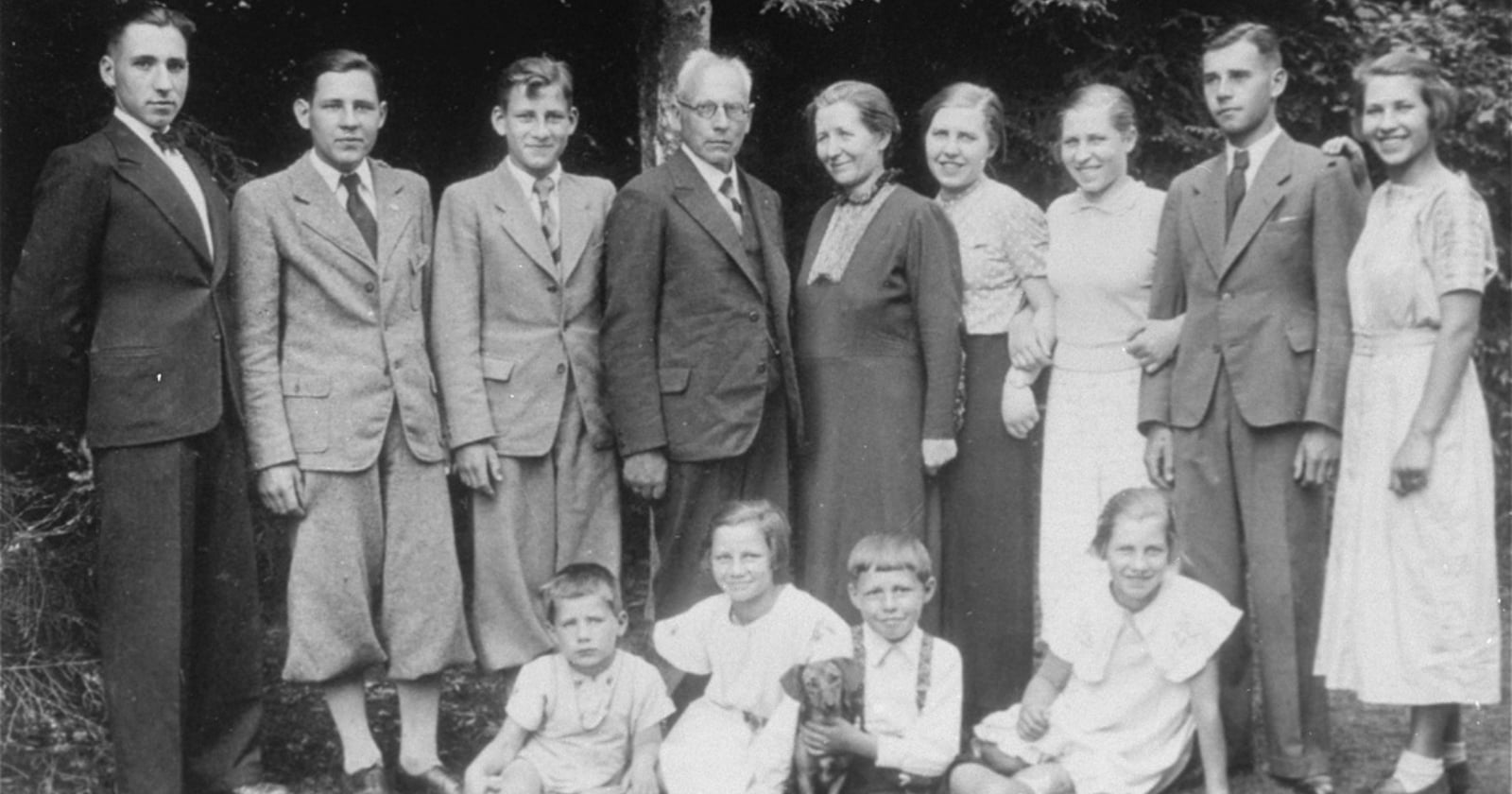
Some stories arrive as artifacts, others as living testimony. This one is both. The German government's decision to hand over an extensive photo archive to the Jehovah's Witnesses, documenting the Nazi persecution of a pacifist Christian family, is not merely a legal transfer of property. It is an act of restoration. For too long, that family's silenced history existed only in fragments, held by the state that once orchestrated their suffering. Now, the images return to the community that carried their memory. This matters deeply, not just for the descendants, but for anyone who believes that truth, when curated with care, can outlast oppression.
We see a quiet parallel in A decade behind the wall, a Syrian photographer's archive emerges, where a photographer's hidden negatives resurface after more than ten years. Both archives were concealed by circumstance, both now emerge as witnesses. And in Rediscovering the unseen faces behind a movement's defining images, we are reminded that the frames we remember often hide the lives that actually shaped them. What these stories share is a refusal to let the archive be the final word, instead, it becomes the beginning of a new conversation, one grounded in authenticity rather than propaganda.
For our readers, this archive offers a practical lesson in how we engage with history. The photographs are not abstract evidence; they are intimate records of a family's daily endurance, faces, gestures, small acts of faith under a regime that demanded conformity. The Jehovah's Witnesses, as a pacifist Christian group, were targeted precisely because they would not yield. This archive does not simply confirm what we know; it asks us to look closely at what we have been trained to overlook. In an era of curated visuals and filtered narratives, the raw specificity of these images feels almost radical. They do not perform. They testify.
What remains to be seen is how this collection will be used. Will it sit in a vault, or will it circulate as a living resource for education and reflection? The most concrete takeaway here is that archives are not neutral. They are acts of choice, what is saved, who controls it, and when it is released. This handover corrects a historical imbalance. But the real work begins now: ensuring these witnesses are seen, not just preserved.