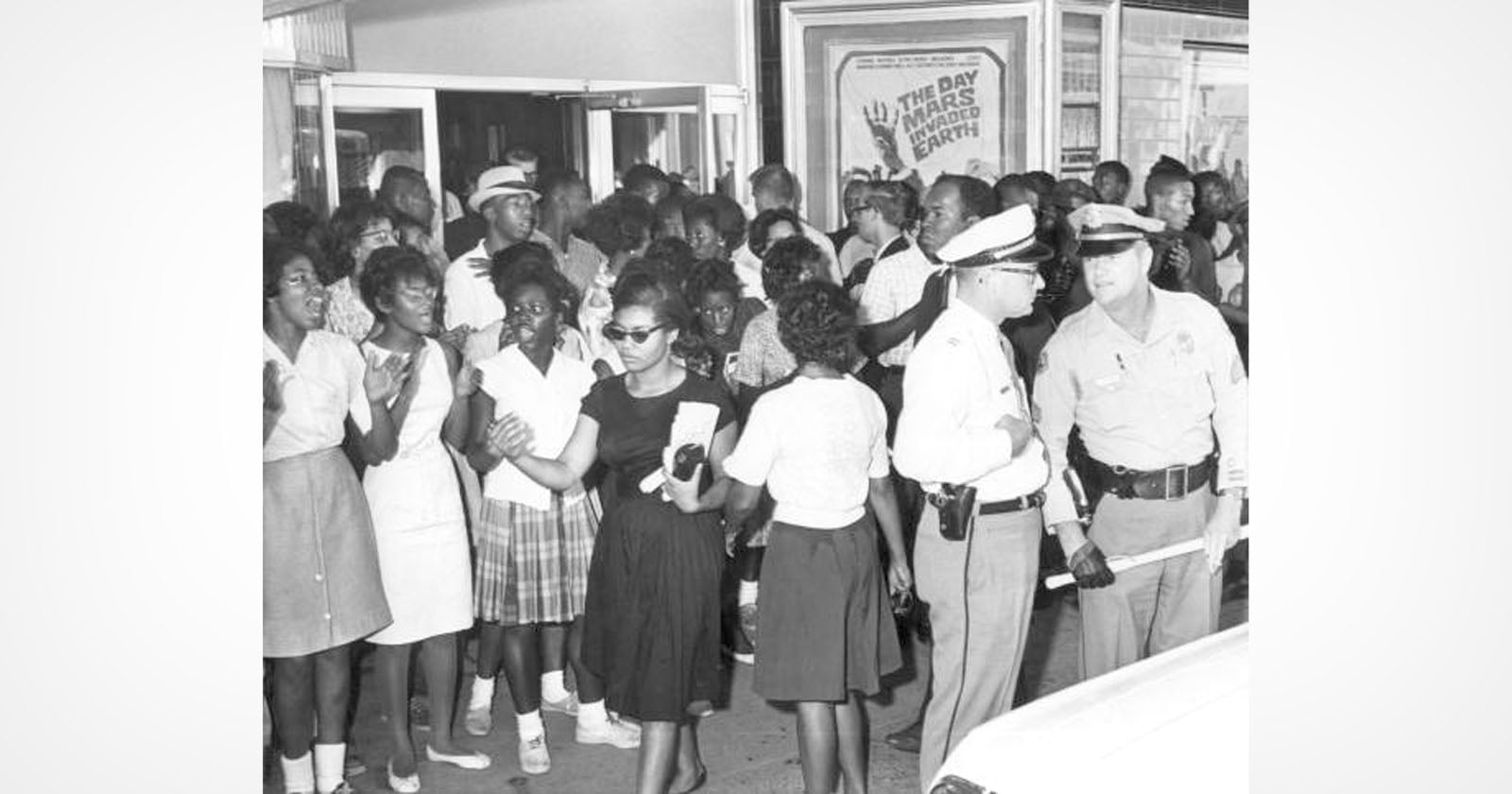
There is something quietly radical about the hundreds of frames that never make the final edit. Every press photographer knows the rhythm: a news event unfolds, the shutter fires in bursts, and later, an editor scans the sequence for the single image that will define the moment. The rest vanish into archives, digital ghosts of angles that almost worked, expressions that arrived a fraction of a second too late. We think this invisible archive deserves more than a footnote. It is not a graveyard of failures; it is the raw material of authenticity, and in an era of hyper-curated feeds, the unseen frames may hold more truth than the chosen one.
This idea threads through two recent pieces in our publication. In The 120-300mm f2.8 Z Lens Finds Its Muse in Motion, Nikon's new zoom lens is celebrated for its ability to capture movement with precision, yet the real artistry lives in the frames the photographer chooses not to publish, the ones that reveal the struggle between athlete and gravity. Similarly, A Curated Click That Restores the Authentic Frame explores how Samsung's patent aims to strip away algorithmic polish, returning the photograph to a more honest state. Both stories, like this one, circle the same tension: the published image is a curated choice, but the discarded ones are where the mess, the effort, and the real story reside.
For the creative collaborators and health-conscious enthusiasts who make up our audience, this is a practical lesson in how you consume and create visual culture. When you see a single, perfect shot of a yoga pose at sunrise or a dancer suspended mid-leap, remember the ninety-nine frames that came before it, the wobble, the off-balance arm, the shadow that fell wrong. Those outtakes are not mistakes; they are the evidence of process. They remind us that aspiration is built on repetition, not magic. The next time you scroll past a polished editorial, ask yourself what was left on the cutting room floor. That question is more valuable than any filter.
The concrete takeaway here is simple: start treating the outtakes as part of the story. Whether you are a photographer covering a protest, a fitness instructor documenting a routine, or a fashion editor assembling a lookbook, the frames that did not make the cut deserve a glance. They show you the effort behind the elegance, the sweat behind the serenity. And in a world that rewards the curated surface, the willingness to look at what was rejected is a small act of rebellion. The next time a movement defines itself through a single image, we will be the ones asking about the 299 others.