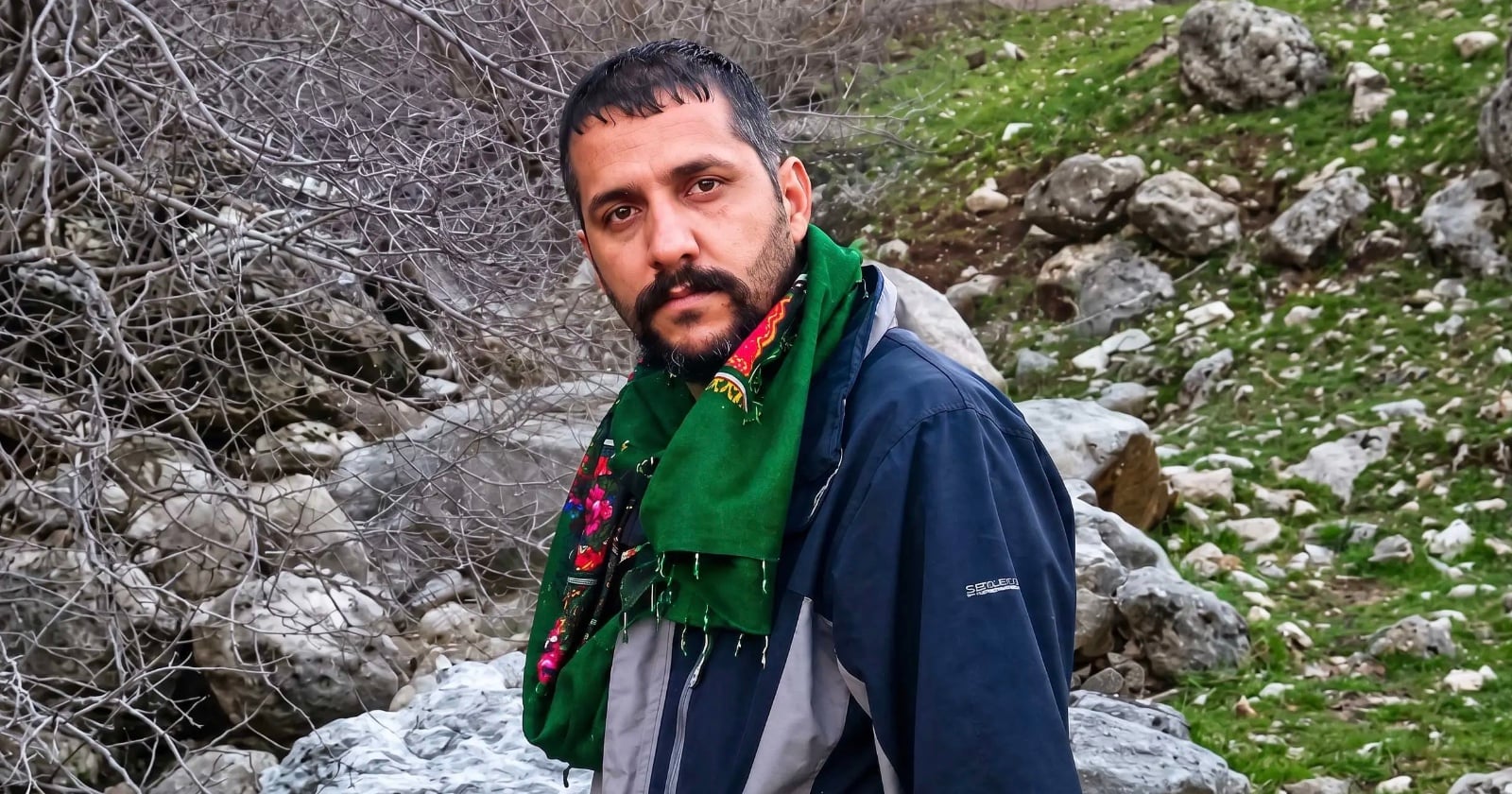
There is a particular kind of silence that follows a camera's final shutter release. It is not the quiet of a studio or the hush of a gallery; it is the absence of a voice that spent over two decades telling a nation's story. The news that Iranian authorities shot and killed a prominent photographer, a mentor to hundreds, lands not as a statistic but as a profound erasure. We speak often of the power of images, but here we are confronted with the cost of that power. This photographer did not just take pictures; they curated a visual memory of Iran, frame by frame, teaching others to see with intention. In a world where we scroll past visuals at speed, this loss is a stark reminder that the lens is not passive. It is a living, breathing act of witness, and for that, it can be silenced.
The practical truth for our readers, many of whom are themselves creators, is that the line between art and activism has never been thinner. We explore the beauty of craft constantly, from the intricate dialogues between lens and loom in The Unspoken Dialogue Between Lens and Loom in Ancient Silk to the unexpected joy found in Finding Joy on the Streets, One Frame After Fashion. These stories celebrate the artistic eye, the ability to find narrative in texture and light. But this tragedy yanks us out of the romantic and into the real. It forces a question we often avoid: what does it mean to be a visual storyteller in a place where the story itself is considered a threat? It means that our own practice, however removed it feels in our studios or on our city streets, is part of a larger spectrum. For the photographers we profile and the artists we champion, the act of documenting is an act of defiance, and we must not forget the weight that carries.
If you ask us what this means for you, the answer is not to retreat into cynicism. It is to double down on authenticity. This photographer's legacy is not just in the published images but in the hundreds of eyes they trained to look closer. The takeaway here is direct: support the artists who work without a safety net, and recognize that the images you admire from distant places are often born from immense personal risk. We would tell you to study the work, yes, but also to understand the conditions under which it was made. The next time you share a photograph, consider the hands that held the camera, and the silence that now follows it. The watch is on the quiet erosion of creative voices, and the detail to watch is how the global community of artists chooses to respond. Will we simply mourn the silence, or will we amplify the echoes of the work that remains?