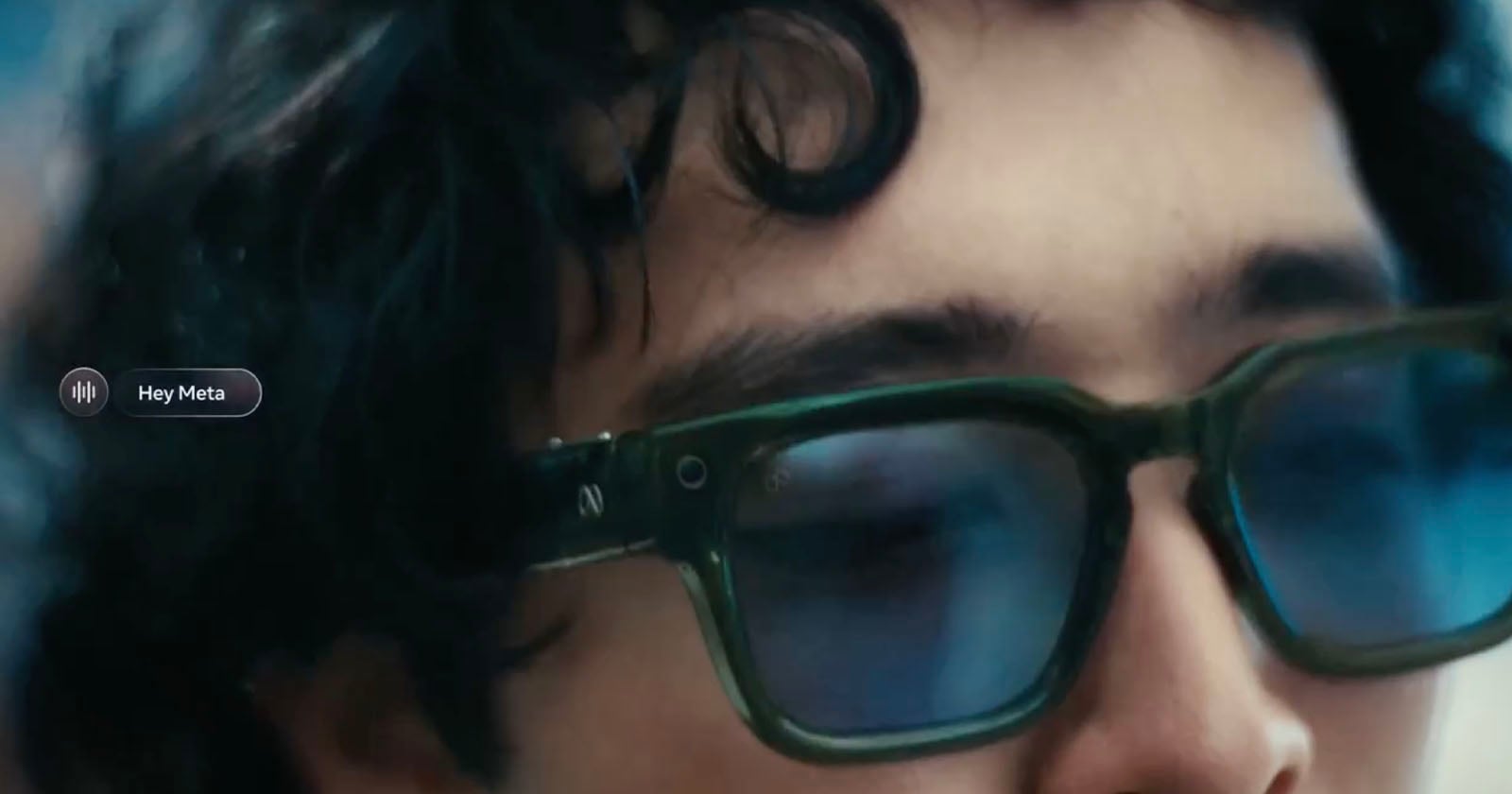
Meta is reportedly preparing a pair of smart glasses that simply removes the camera, a quiet admission that sometimes the most compelling feature is the one you leave out. The company faces growing scrutiny over its existing camera-equipped models, and rather than doubling down on more sensors, Meta appears to be exploring what happens when a wearable stops documenting and starts simply existing. We find this move oddly refreshing, even if it feels like a step backward in a market obsessed with doing more. The camera was the headline act, the reason these glasses felt futuristic. Without it, you are left with something closer to a fashion accessory that happens to whisper audio cues into your ear.
This pivot echoes a tension we see across visual culture right now. In our own coverage of Ultra-Low ISO Film, we explored how some photographers are deliberately choosing slower, grainier emulsions that force them to slow down and think before pressing the shutter. There is a similar philosophy at play here, a rebellion against the constant urge to capture. And when we look at tools like PolarPro’s Radial Filters, which push for getting the look in-camera rather than fixing it later, we see a broader appetite for intentionality over automation. Meta's camera-free glasses might seem like a downgrade on paper, but they could be the most honest piece of tech the company has made in years. It is a device that trusts you to be present, not to perform for an invisible audience.
For our readers, this raises a practical question: do you actually need another camera in your life? Your phone already has one, your tablet has one, and your laptop has one. The smart glasses were supposed to replace the act of pulling out your phone, but in reality, they just added another lens to the pile. Removing the camera strips away the surveillance anxiety, the awkwardness of pointing your face at strangers, and the quiet dread that everything you see is being uploaded somewhere. What remains is a lighter, more focused tool for notifications, navigation, and music, the kind of quiet utility that does not demand your attention. We would tell a friend who asked: this is not about what you miss, but what you gain by not looking through a viewfinder all day.
The real test will be whether Meta can convince people that a wearable without a camera is still worth the price of admission. We are watching to see if this is a one-off experiment or the start of a broader trend, but our bet is that the market will surprise you. There is a growing crowd that wants the convenience of a smart device without the performative baggage of a camera. If Meta can nail the design and the audio experience, they might just have a hit on their hands. The question is whether they can resist the urge to add the lens back in the next version. We are not holding our breath, but we are intrigued.