smart glasses
Lee LHGFX Photography keeps smart glasses in one place: 17 stories so far. The section currently leads with “Alibaba's new smart glasses frame vision in 50 megapixels of clarity”, “Immersive Cinema Arrives: Meta’s VR Glasses Earn IMAX Certification”, and “A New Perspective: Meta’s Camera-Free Smart Glasses Emerge”. Fifty megapixels of clarity per lens. Meta's new VR glasses are making a bold claim: they're the first IMAX-certified virtual reality device. Lee LHGFX Photography is a dynamic portfolio and lifestyle hub built around the artistic work of @lee_lhgfx — a highly engaged Instagram creator and… The list below is every smart glasses story on Lee LHGFX Photography, newest first.
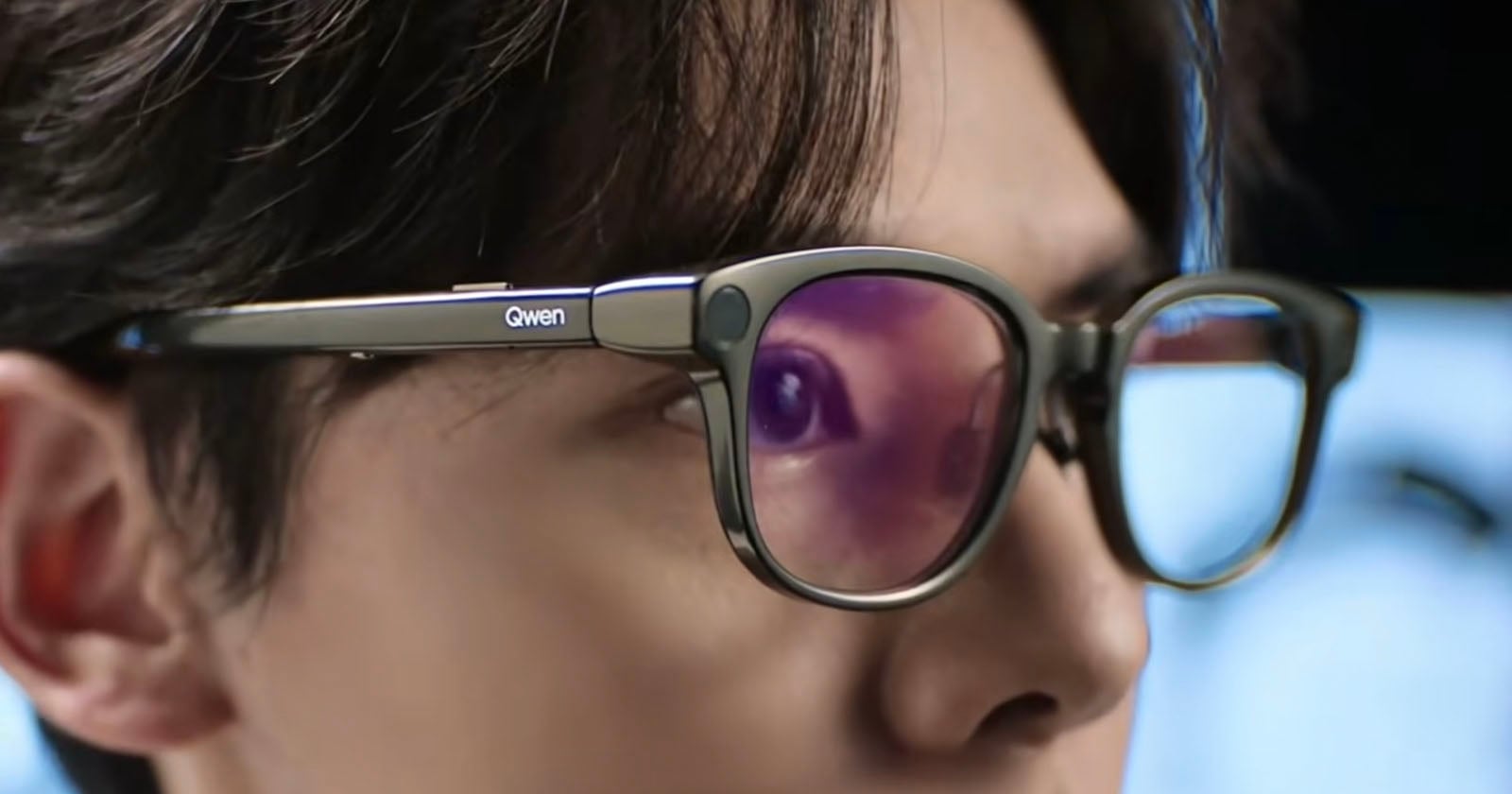
Alibaba's new smart glasses frame vision in 50 megapixels of clarity
Fifty megapixels of clarity per lens. Alibaba's new smart glasses don't just enter the wearable arena, they arrive with specs that quietly outshine Meta's offering. This is vision curated with artistic precision, where technology becomes an immersive extension of how we see the world. The frame itself feels less like a gadget and more like a statement. For a deeper look at how nostalgia meets innovation, explore *The Obscure Retro Camera That Somehow Saw the Future*, a fitting companion piece.
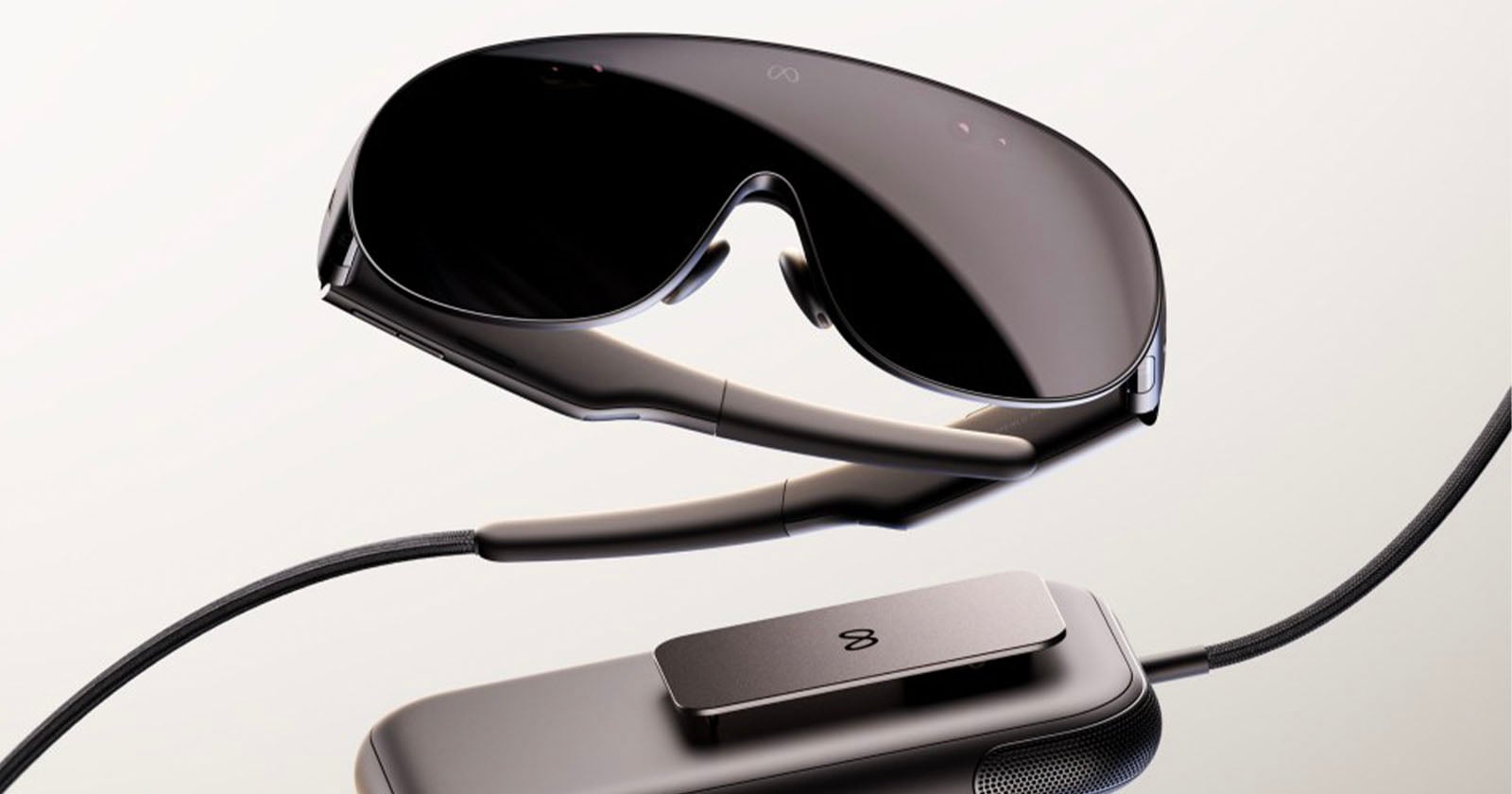
Immersive Cinema Arrives: Meta’s VR Glasses Earn IMAX Certification
Meta's new VR glasses are making a bold claim: they're the first IMAX-certified virtual reality device. That's not just a badge; it's an invitation to lose yourself in a curated, cinematic world where technology feels less like a gadget and more like an art form. We love the ambition here, and it pairs beautifully with PolarPro's recent push to perfect color in-camera. Both remind us that the details shape the experience. This feels like a vibrant step forward, one worth watching closely.
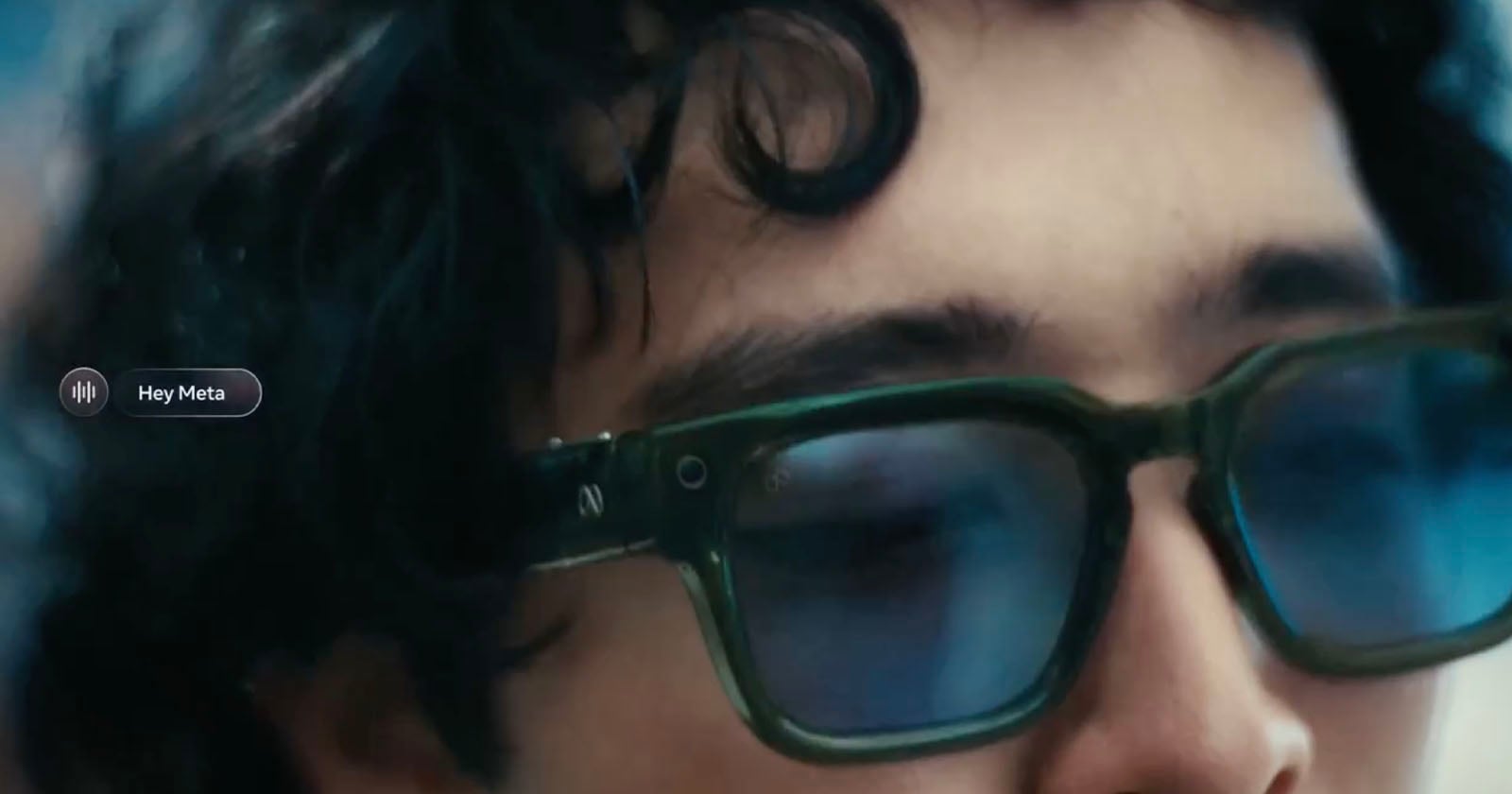
A New Perspective: Meta’s Camera-Free Smart Glasses Emerge
Meta is peeling the lens off its own creation. The company is reportedly preparing a pair of smart glasses without a camera, a bold pivot as scrutiny over its current camera-equipped models intensifies. We find this refreshingly honest, a move that strips back the spectacle to focus on the core experience. It is a quieter, more intentional approach to wearable tech. For those who appreciate the art of the frame over the gimmick, this feels like a curated step forward.
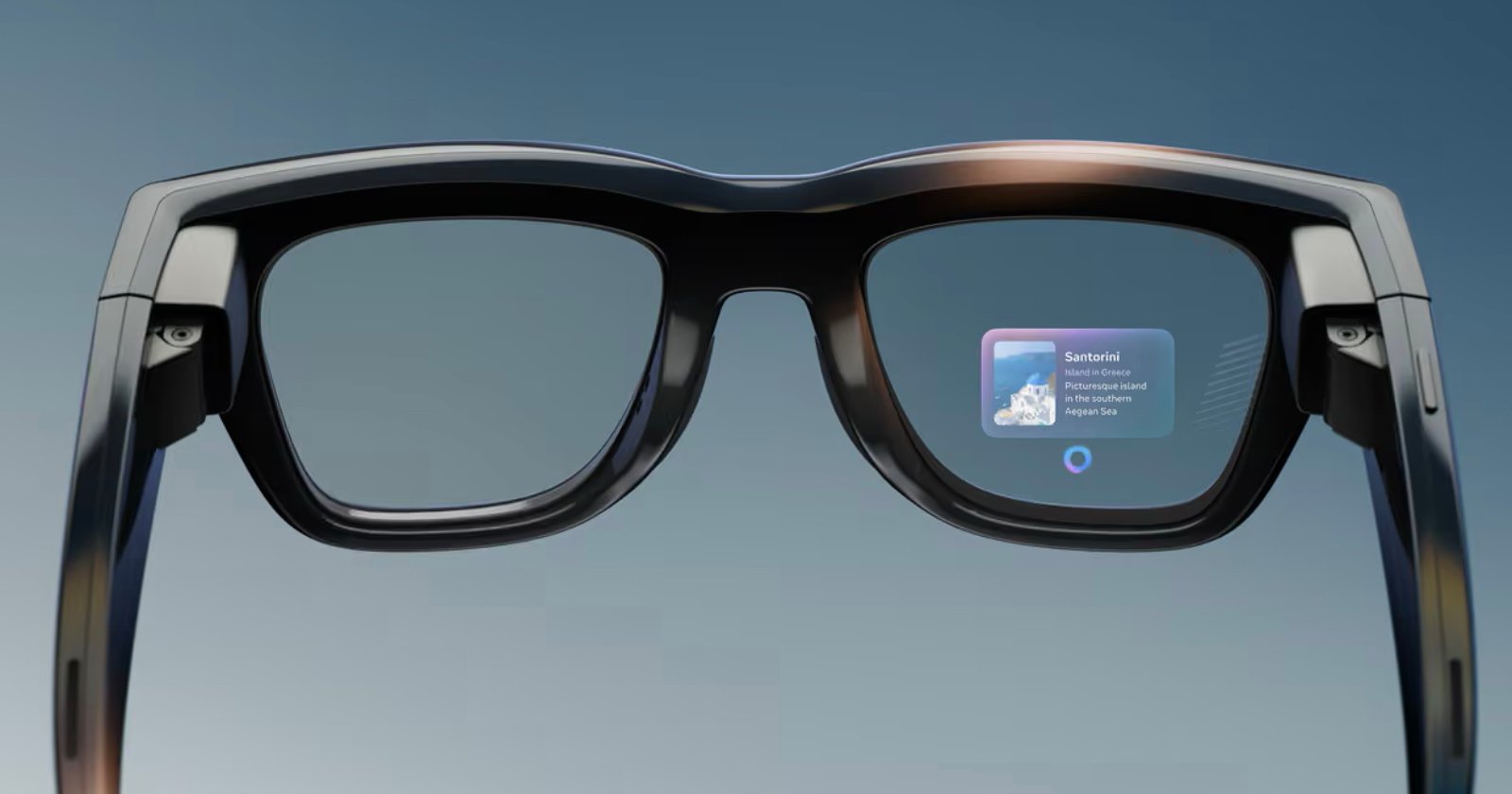
Meta Faces Legal Challenge Over Photo Harvesting for Facial Recognition
A federal class-action lawsuit now accuses Meta of pulling millions of photos from Facebook and Instagram to train "Name Tag," an unreleased facial recognition system for its smart glasses. It's a striking move, one that trades user trust for an ambitious bet on wearable tech. The creative world loves a curated edge, but this feels less like inspiration and more like overreach.

Beyond Sight: Security Concerns Rise Over Meta Smart Glasses.
The sleek promise of Meta smart glasses now carries a heavier weight. Police forces across the U.S. are sounding alarms over the possibility of these devices being used to secretly record inside jails and police facilities, potentially aiding acts of terrorism. It is a stark reminder that innovation demands responsibility. While we admire the artistry of immersive tech, like the cinematic leap in our piece on Meta's IMAX-certified VR glasses, we cannot ignore these darker implications.
Privacy in Focus: Norway Considers Ban on Secret-Recording Glasses
Norway is drawing a line in the sand, and we're here for it. The prospect of camera-equipped smart glasses quietly capturing strangers in public spaces feels less like innovation and more like an intrusion. Banning them isn't about fearing technology; it's about protecting the simple right to move through the world unrecorded. It's a bold, necessary stance that prioritizes human dignity over gadgetry.
A Glitch in Reality: Tampered Meta Glasses Face Camera Shutdown
There's an unsettling irony in Meta's latest move: a camera designed to capture reality, switched off because someone twisted its code. The company has disabled the cameras on thousands of pairs of smart glasses after detecting tampering, a quiet but firm reclamation of control. It feels less like a scandal and more like a necessary boundary. For those of us drawn to the artistry of image-making, it's a reminder that not every glitch deserves a frame.

Beyond the Velvet Rope: Nightclub Bans Smart Glasses.
A velvet rope has never looked so literal. One of New York's edgiest nightclubs has threatened to permanently ban anyone who steps in wearing Meta's smart glasses. The move feels less like paranoia, more like a curated stand for intimacy in an age of constant capture. We respect the boundary. In a world where every moment begs to be documented, protecting the unscriptable is its own kind of luxury. For more on how public figures navigate curated reality, see our piece on Trump's altered image.

Beyond the Ban: Unfiltered Moments Challenge Instagram's Oversight
Instagram said it would ban videos filmed on Meta smart glasses that harass women in public. Then, the ban quietly stopped working. Beyond the Ban: Unfiltered Moments Challenge digs into that gap, where policy meets reality. It is a frustrating, familiar space. We appreciate a good follow-through, and this one feels hollow. For more on how platforms stumble over their own rules, our piece on Trump's altered image offers a timely parallel. Read the full story here.

A Discreet Disconnect: UK Venues Restrict Meta Smart Glasses
The quiet hum of a smart camera in a crowded pub is no longer a novelty; it's a concern. Across the U.K., venues are drawing a discreet line, banning Meta smart glasses over fears of covert recording of customers and staff. We find this restraint refreshingly human. It's a deliberate pause in our headlong rush toward immersive tech, a choice that feels as curated as it is cautious.
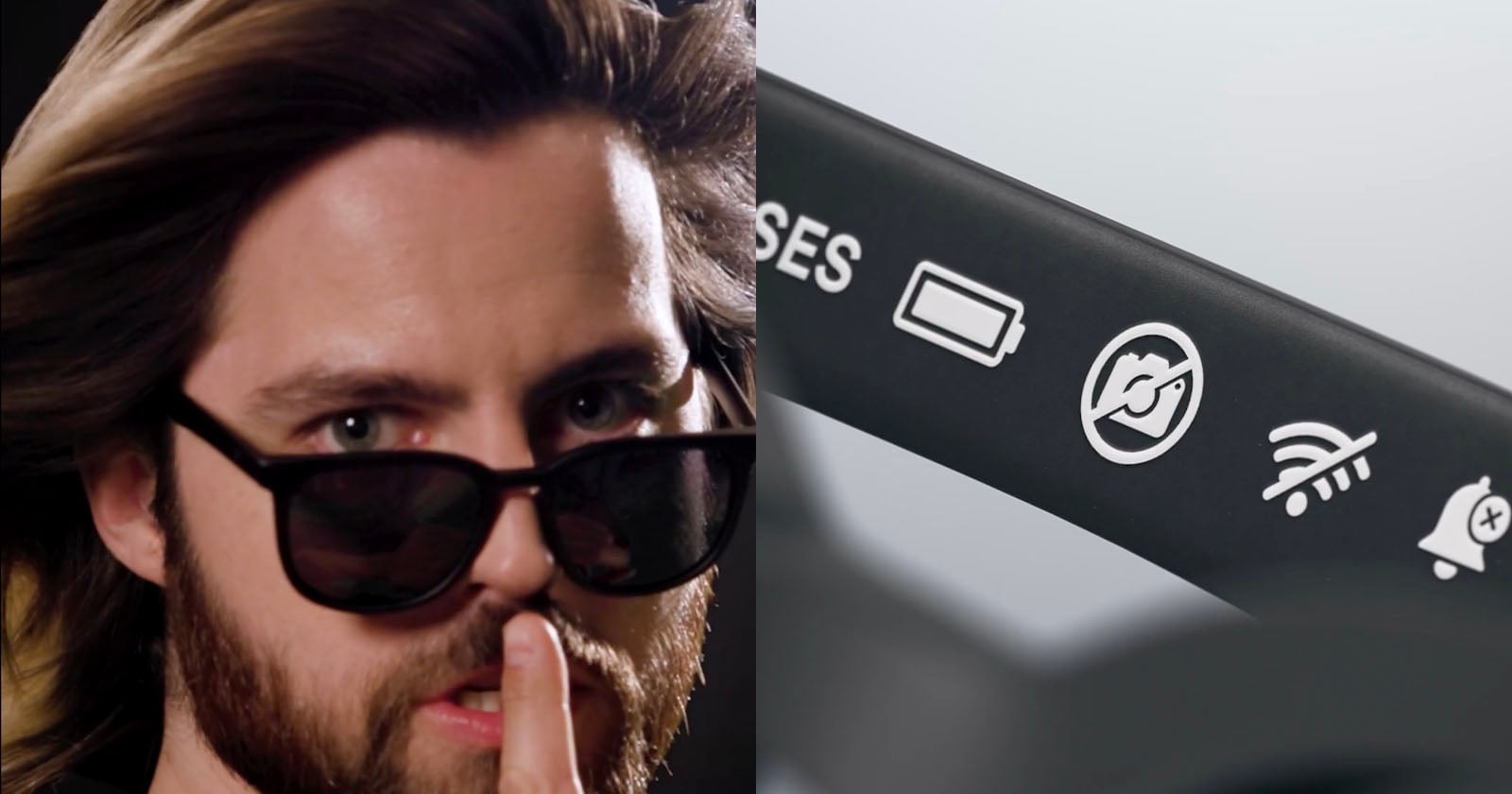
Privacy-First Shades: DuckDuckGo's Unexpected Entry into Smart Glasses
DuckDuckGo's new sunglasses are a quiet rebellion, and we're here for it. They've traded the usual tech-laden pitch for something rarer: a deliberate pause. In a world obsessed with connectivity, these shades offer the luxury of disconnection, a curated nod to those who value presence over pings. It's a bold, artistic statement on privacy, proving that sometimes the most innovative feature is the one you never use. For more on this analog turn, our piece on Ultra-Low ISO Film captures a similar spirit.

Europe Weighs Privacy Concerns, Could Restrict Meta Smart Glasses
The glossy promise of wearable tech meets a very European pause. France, Germany, and the Netherlands are now weighing restrictions on Meta's smart glasses, questioning whether constant, hidden recording truly aligns with privacy laws. It is a necessary friction, the kind that keeps innovation honest. We admire the artistry of connected living, but the right to simply exist without a lens is equally curated. For a deeper look at Meta's ambition, our piece on the IMAX-certified VR glasses offers a compelling contrast.

Beyond the Hype: Apple's Smart Glasses Face a Reputation Challenge
Apple is stepping into the smart glasses arena, and the stakes feel heavier than a pair of premium frames. For a company that has built its empire on privacy, this venture is a delicate dance between innovation and trust. The hype is loud, but the real question is whether Apple can align its wearable ambitions with the quiet promise of discretion. We are watching closely, because this is not just about tech; it is about reputation. Curious how it unfolds?
Curated Moments, Ethical Views: Instagram Addresses Smart Glass Concerns
Instagram is drawing a line in public spaces. The platform is reportedly banning videos shot on Meta smart glasses when they cross into harassment of strangers, a move that feels both overdue and necessary. We like tech that invites curiosity, not intrusion. It is a sharp, ethical stance, and one that keeps the experience immersive without the ick. For more on how Meta is shaping wearable tech, our piece on the IMAX-certified VR glasses is worth a look.
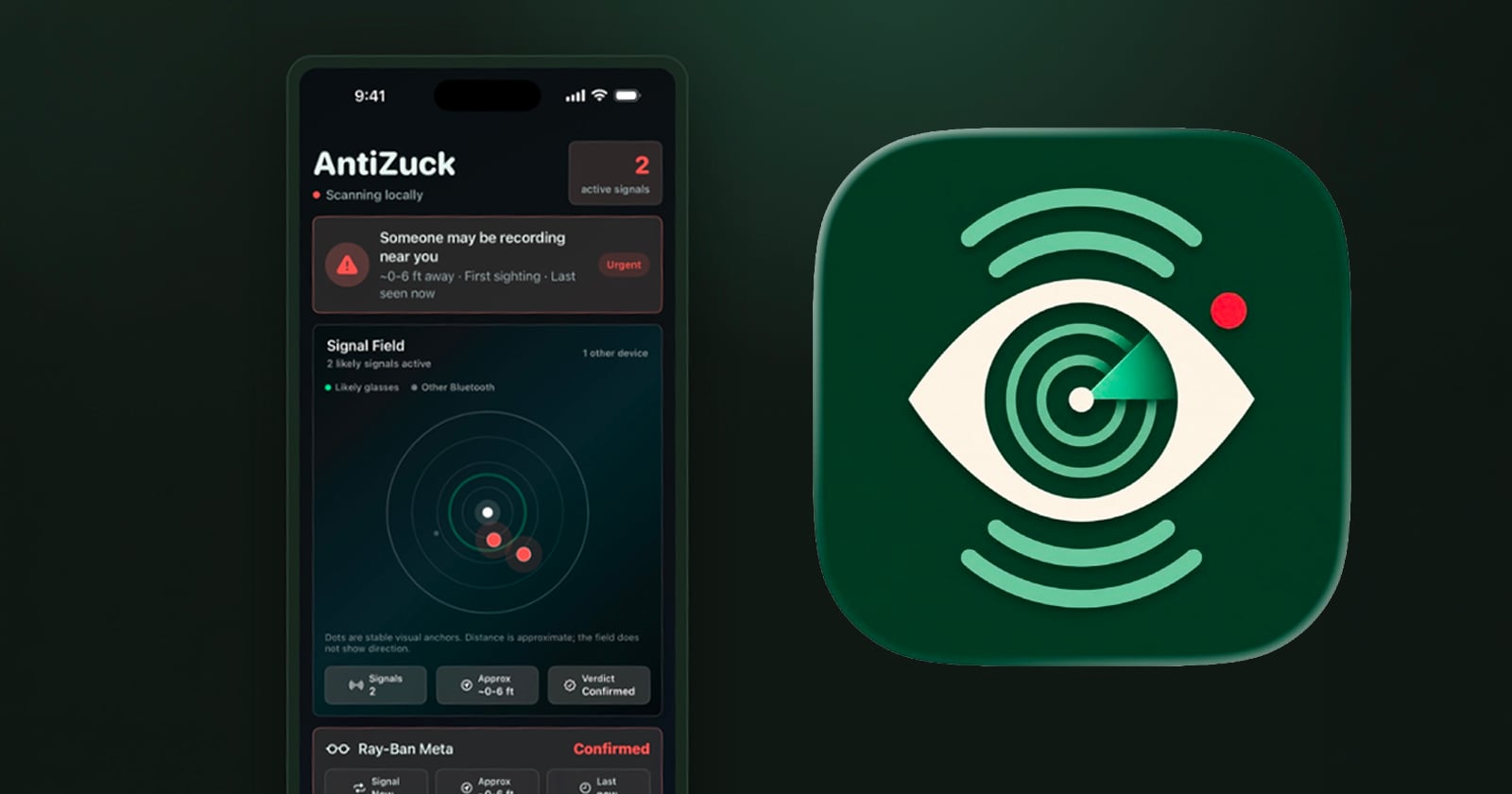
Navigating the New Reality: An App Alerts You to Nearby Smart Glasses
Smart glasses were supposed to feel like the future. Now, for some owners, they feel like a target. A new iPhone app alerts users when smart glasses may be nearby, responding to a growing unease about how these devices can be used. It is a practical tool for a new kind of awareness. We appreciate the blend of style and function here, much like our look at Leica Lux 2.0. This app is a grounded step toward navigating our augmented reality with confidence.

Art Imitates Tech: Activists Critique Meta's Smart Glasses in London
A spoof billboard on a London bus stop just turned Meta's smart glasses into a canvas for critique. The activist group's parody is sharp, playful, and impossible to ignore, proving that technology's sharpest edge often comes from art's reflection. It is a clever collision of culture and code, and we are here for the commentary. For more on how AI is reshaping creative tools, our piece on Adobe's Lightroom and Photoshop within Gemini offers a fitting counterpoint.

Beyond the Buzz: Navigating Privacy with Meta's Smart Glasses
The LED light on Meta's smart glasses was supposed to signal recording, but critics called it too easy to obscure. Now Meta is fighting back, literally disabling the camera if it detects that light being covered. It's a rare moment of hardware-level accountability, and we appreciate the intention. Privacy shouldn't feel like an afterthought. For more on wearable tech pushing boundaries, explore our look at Meta's new IMAX-certified VR glasses.