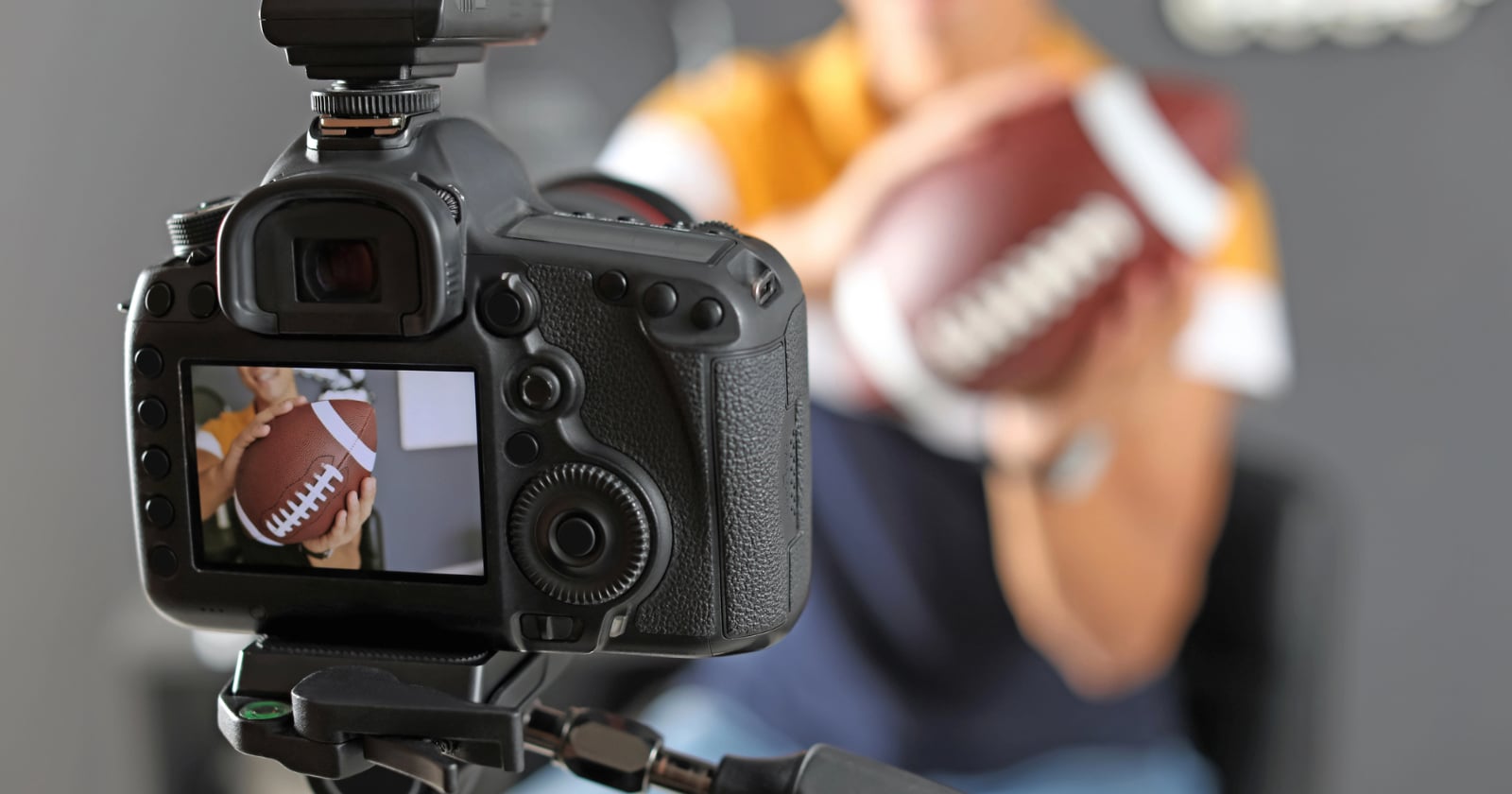
There is a particular kind of trust we place in the platforms that host our work, especially when that work is a visual diary of motion and muscle. When a sports photographer's account is permanently disabled over a claim that feels not just wrong, but absurdly detached from the craft, we all feel the floor shift. The report that Meta mistakenly flagged content as the "sexualization of children" for a photographer whose lens was aimed at an athlete with a football is a stark reminder that algorithmic judgment remains a blunt instrument. It is a world away from the deliberate, human curation we champion, but the connection is direct: the same curatorial eye that protects a The Unspoken Dialogue Between Lens and Loom in Ancient Silk can be the very thing that trips a machine.
We have long celebrated the marriage of form and function, the idea that art lives in the details, not just in the final frame. This incident, however, pulls back the curtain on a harsher reality: the infrastructure we rely on to share that art often lacks the context to understand it. A photo of a person holding a football, shot through a tripod's live view, is not inherently erotic. But to an automated system trained on patterns, it might share a geometric or tonal echo with something else entirely. This is not a call to abandon digital spaces; rather, it is a warning about the fragility of our creative archives. It echoes the fight over creative control we saw in the A Creative Court Win Cracks the Door to Canon's Closed Lens Mount, where the battle was for the right to build without permission. Here, the battle is for the right to simply *exist* without being erased by a false accusation.
For our readers, this is not a distant headline. It is a practical lesson in redundancy. If a single algorithmic error can silence years of work in an instant, then your portfolio cannot live solely on a platform that views you as a temporary tenant. We would tell you this: back up your originals, keep a public catalog elsewhere, and document your process. The photographer in this story did nothing wrong, yet the consequence was permanent. The appeal process, as often is the case, feels like a black box. This is where the artistic and the technical must converge. Just as Embrace the Drama: Exploring the Allure of Ultra-Low ISO Film asks us to slow down and appreciate the grain, we might need to slow down and appreciate the systems we hand our life's work to, questioning their assumptions before they question ours.
The takeaway here is not to live in fear, but to live with intention. When you post your next frame, ask yourself: if this account vanished tomorrow, what would remain? The answer should be more than a memory. The open question we are left with is not whether Meta will fix its review process, but whether we, as a community of makers, will continue to let a faceless algorithm be the final arbiter of our artistic value. The silence after a ban is loud, but it does not have to be the end of the story. It can be the push we need to build a more durable, self-owned foundation for our work.