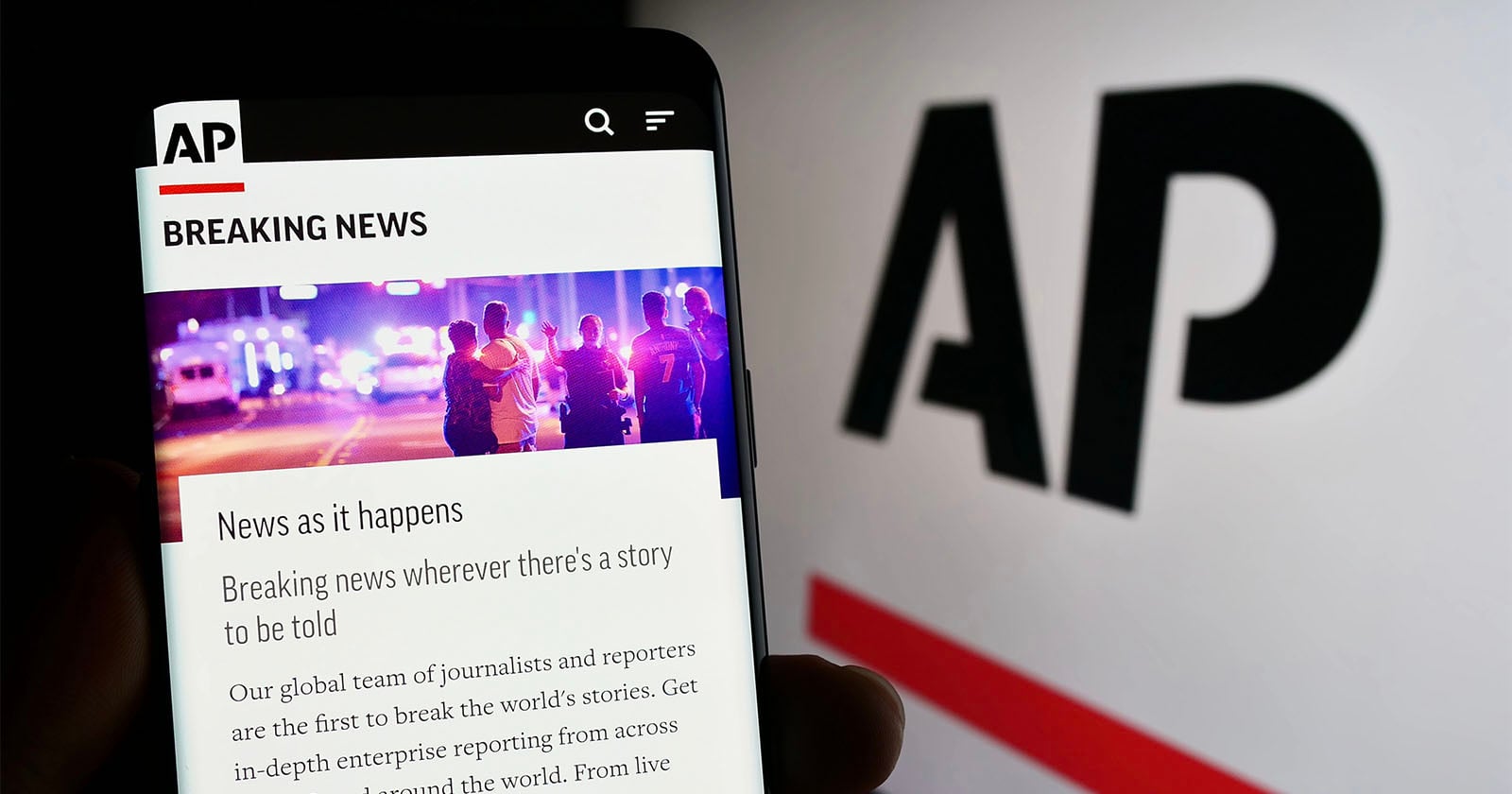
The Associated Press is moving eight photo editor positions to India, and the decision feels less like a strategic pivot and more like a quiet severing of a vital creative thread. For an institution built on visual storytelling, this relocation raises a question that hits close to home for anyone who values craft: what happens when the people shaping the narrative are moved further from the story itself?
This isn't just a labor dispute, though the unions' condemnation is warranted. It's a signal about how we value the human eye in an age of automated workflows. The AP is betting that the mechanics of photo editing can be separated from the cultural intuition that informs it. But editing a photograph isn't merely a technical task, it's an act of curation. It requires understanding context, nuance, and the unspoken weight of a frame. Moving these roles overseas suggests a belief that proximity to the newsroom is optional, a notion that feels at odds with the immersive, authentic connection our readers expect from visual media. It reminds us of the quiet artistry behind every image, much like the work of Jon McCormack, The Artist Behind Apple's Lens Steps Into a New Frame, whose retirement marks the end of an era where a single creative vision shaped how millions saw the world through their screens.
For the creators and visual storytellers in our audience, this is a practical warning. When large wire services centralize and distance their editorial talent, the quality of the raw material you work with, the photographs that define events, can become thinner, less considered. You may find yourself spending more time correcting color casts or re-cropping frames that should have been right the first time. It's the opposite of the curated, elevated experience we champion. Consider how a tool like the hybrid tripod head that fluidly shifts from ball to gimbal modes is designed to give creators more control over their capture. The AP's move takes control away from the editorial process, betting that efficiency can replace editorial instinct.
The broader implication is a slow erosion of the editorial layer that separates a snapshot from a story. The AP is prioritizing cost structure over creative continuity, and the immediate consequence will be a less nuanced visual record of global events. The specific detail to watch is not just which photos are chosen, but which moments are missed entirely when the editors assigning and selecting those images are no longer immersed in the cultural currents of the regions they cover.