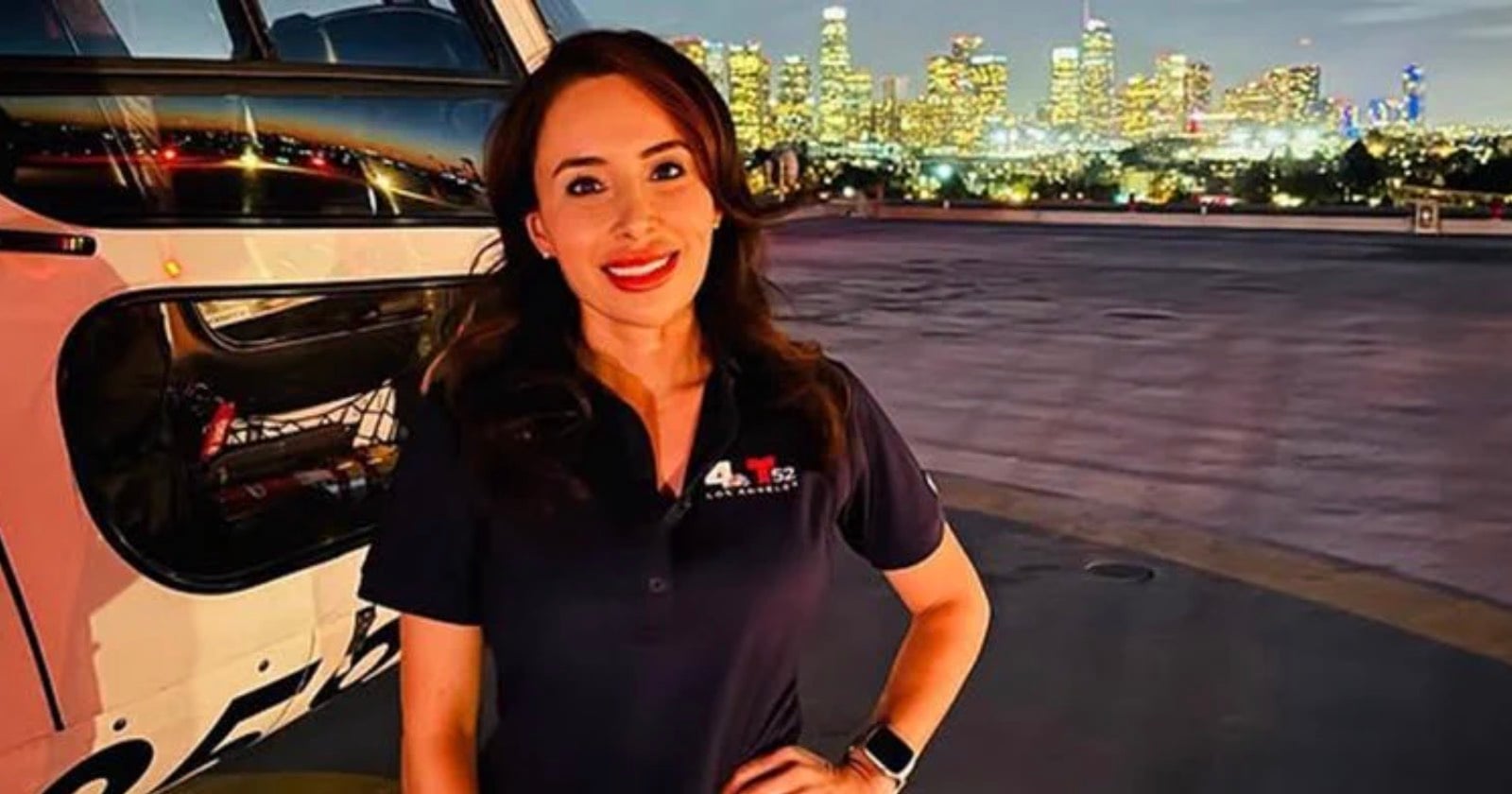
The news of Eliana Moreno's death, along with two colleagues, in that helicopter crash over the Los Angeles suburbs lands with a particular weight for anyone who has ever looked up at a news chopper and felt the pull of the story it was chasing. Moreno was an aerial photographer and reporter for Telemundo 52, a woman whose craft was to bring us the city from above, to frame our chaos and our beauty in a way that felt both immediate and composed. We did not know her, not personally, but we knew her work, the steady hum of the rotor as a backdrop to breaking news. Her loss is a stark reminder that the tools we use to document life are never just tools; they are the limbs and lungs of the people operating them.
This tragedy sits in sharp relief against the longer, slower conversations we have been having about the equipment we trust. We recently explored The Enduring Craft: Exploring the Lifespan of Your Canon Camera, a piece that reminds us how rarely a camera dies from a single, dramatic failure. Instead, it is the slow wear, the shutter count climbing, the seals degrading, that eventually stills the sensor. We obsess over the gear, the megapixels and the stabilization, but this crash forces a more uncomfortable truth: the most calibrated instrument in the frame is the human being holding it, and their safety is a variable no firmware update can address. We also looked at the fragility of A Dimming Sky: Drone Light Shows Face Uncertain Future, where a different kind of aerial spectacle faces a regulatory reckoning. There, the question was about the machines buzzing in formation; here, it is about the machines carrying people, and the thin line between a routine flight and a final one.
What do we tell a reader who asks us about this? We tell them that the image is never worth the life, and that the pursuit of the perfect shot, the one that captures the city's pulse, must be weighed against the pulse of the person holding the lens. We tell them that this is not a call to ground every helicopter or to stop covering the news, but a call to look at the infrastructure of our own passions. For the hobbyist with a mirrorless camera, the takeaway is quieter but no less real: respect the craft, but respect the conditions even more. The Rescued: A Week Lost, Found on Michigan's Wild Isle story showed us the endurance of the human spirit against the wilderness, a testament to survival. This is the opposite, a reminder that our environments, even the ones we build to observe other environments, can turn unforgiving in a second.
Our honest take is that we often romanticize the dangerous edge of visual journalism, the adrenaline of the chase. But Moreno's story is a call to look at the systems, the maintenance schedules, the fatigue of the crew, and the margin for error that we assume exists and never does. The concrete point to watch is not just the NTSB report, which will be thorough and slow, but the immediate response from newsrooms across the country. Will they ground their aerial units for a day of reflection, or will they renegotiate the very real cost of that aerial perspective? The question we should all sit with is not whether we will see the footage, but whether we are willing to accept the price of the frame.