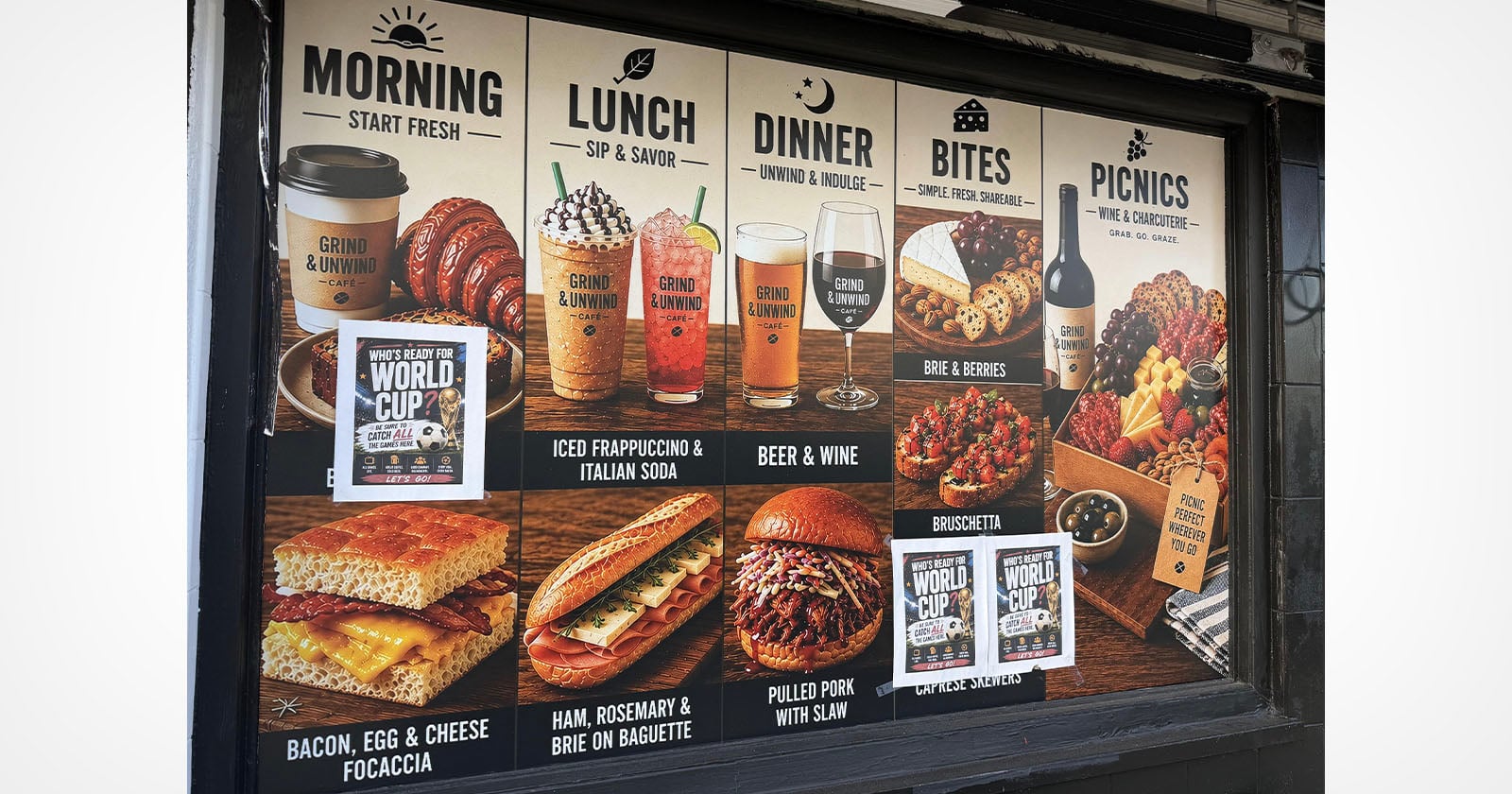
A San Francisco restaurant just learned that the menu is the last place you want to test the limits of public patience. The establishment was defaced over its use of AI-generated food photography, a reaction that feels both extreme and entirely predictable in a city where the debate over generative imagery has moved from academic panels to the streets. This wasn't a critique of flavor or portion size; it was a verdict on process, a rejection of the idea that a bot should decide how a brie and fig sandwich looks when it arrives at your table. We get it, even if we don't condone the paint.
The incident sits at an interesting crossroads with the broader creative and tech tensions we have been tracking. Just as Unlock Creative Power: Lightroom and Photoshop Now Within Gemini suggests a future where the tools we use for visual expression become more automated, this backlash reveals the hard limits of that convenience. And when we look at Aspirational Image, Unexpected Exit: CEO Departs After AI Photo, we see a similar theme: a single, tone-deaf use of generated imagery can define a brand's identity in the public eye, for better or worse. The restaurant's mistake wasn't that the images were ugly, but that they were inauthentic, a shortcut that undermines the very craft diners come to appreciate.
Here is our honest take: the audience is no longer naive. Your customers can smell a stock photo from a mile away, and they can certainly taste the difference between a curated visual and a fabricated one. This isn't about being a Luddite; it is about respect for the medium. For our readers, who value both form and function, the practical takeaway is clear: authenticity is a non-negotiable feature, not a nice-to-have. When you strip away the artistry, the imperfections, and the human eye that makes a dish look both aspirational and edible, you are left with something that feels hollow, even if it technically looks "perfect." The visceral reaction from the neighborhood is a reminder that people are craving a connection to the real, especially in a world that is becoming increasingly synthetic.
What we would tell a reader who asks us about this is simple: use the tools, but don't let them drive. The specific detail to watch is how this restaurant responds. Do they double down, or do they pivot to a more transparent approach, perhaps even turning the defacement into a conversation about their process? The question that lingers is whether the industry will learn from this vandalism or treat it as an isolated incident. We suspect the latter, but the most compelling move would be to lean into the mess, to show the process, the rough drafts, and the human effort behind the final plate. That is the only way to turn a moment of public anger into a story of redemption.