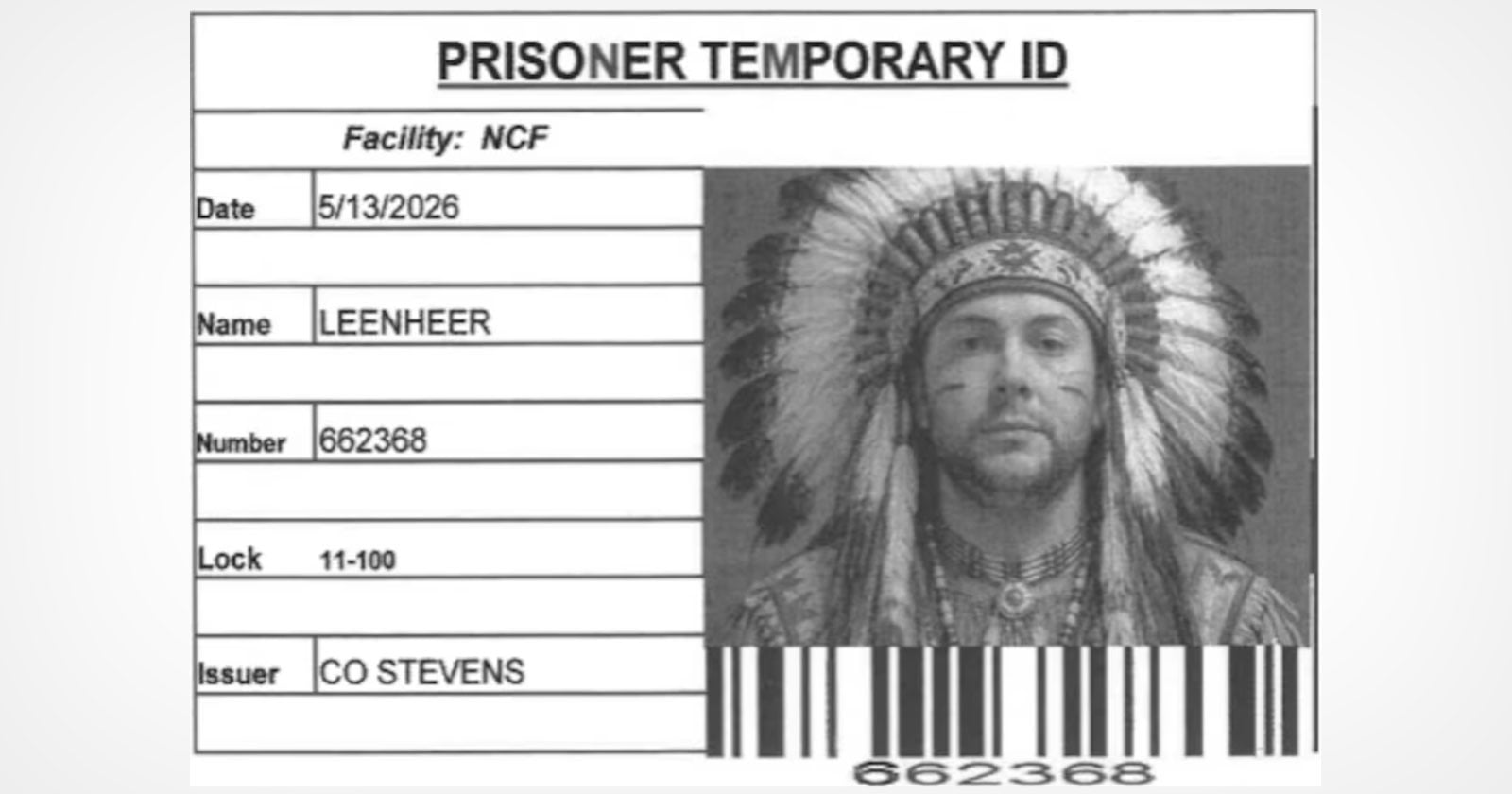
A single photograph is supposed to be a record of fact. Yet in the case of a former inmate now suing correctional officers, the image was not documentation; it was a weaponized fiction. The lawsuit alleges that his prison photo was digitally manipulated to superimpose a stereotypical Native American headdress and clothing onto his likeness. This is not a clumsy meme or a tasteless joke. It is a deliberate act of dehumanization carried out by people who held all the power, and it raises a question that lingers far beyond the jailhouse walls: when authority figures feel entitled to rewrite reality, what does that do to the rest of us?
We have seen this impulse before, though usually in less brutal form. When A Curated Moment: Trump Shares Altered Image on Truth Social surfaced, the reaction was split between amusement and fatigue. A doctored photo of world leaders felt like just another Tuesday in the attention economy. But context matters. A public figure sharing a manipulated image is a statement about the fluidity of truth. A prison official altering an inmate's identity card is a statement about the worth of a human being. The former invites debate; the latter invites litigation. We would do well to remember that the tools are the same, but the stakes are not.
This story also lands at a curious intersection with the creative tools we celebrate. We recently covered how Unlock Creative Power: Lightroom and Photoshop Now Within Gemini is making image manipulation more accessible than ever. That is a wonderful thing for artists and storytellers. Yet every tool carries a shadow. The same software that lets a designer craft a dreamscape can be used to strip a person of their identity. And when the manipulation happens inside the carceral system, it stops being art and becomes abuse. The technical ease of editing has outpaced our ethical frameworks, and the result is a case that should make us all pause.
Our take is simple: this is not a story about a bad photo. It is a story about the abuse of a system designed to document, not to demean. The correctional officers did not just alter a file; they attempted to rewrite a person's history for their own amusement or malice. That is a profound violation, and it carries a practical consequence for every reader here. If a prison ID, a document meant to be immutable, can be casually falsified, then what other records are we expected to trust? The takeaway worth quoting is this: *when the keepers of the record start editing the record, the only honest response is to question everything they have produced.* Watch this case closely. The outcome will set a precedent for whether digital dignity is a right or a privilege.