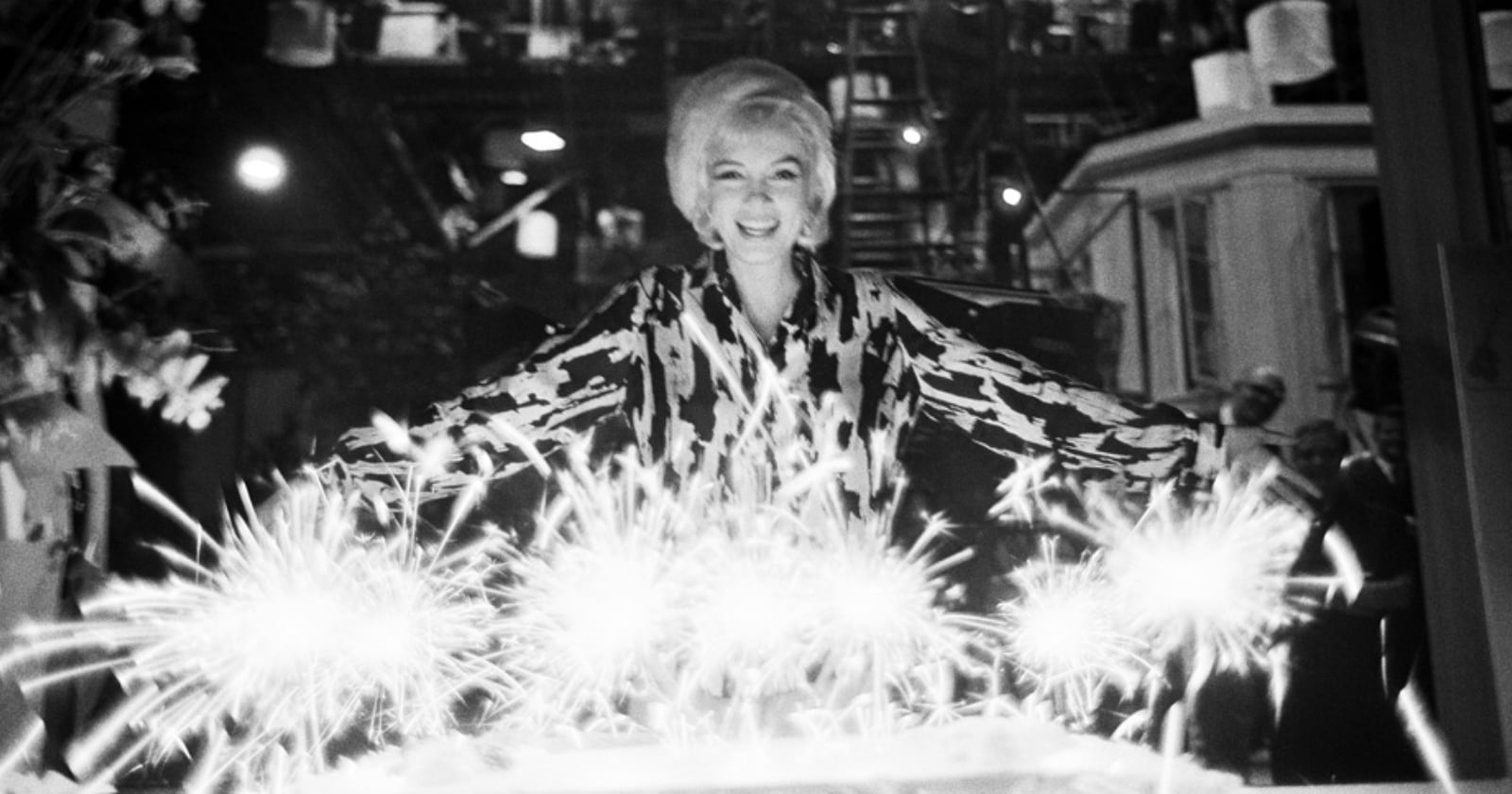
There is something profoundly moving about seeing a legend through the eyes of the last person who truly saw them. The upcoming exhibition of Lawrence Schiller's final portraits of Marilyn Monroe is not merely a collection of photographs; it is a rare, intimate archive of a woman who existed in a world of curated images yet remained, in many ways, unseen. Schiller, the last living professional photographer to have worked with Monroe, offers us a final, unfiltered glance, one that feels less like a Hollywood production and more like a quiet conversation. This is not nostalgia for nostalgia's sake. It is a chance to witness artistry at the intersection of vulnerability and craft, a reminder that the most enduring images are rarely the most polished ones.
In a cultural moment where visual storytelling often feels disposable, this exhibition demands we slow down. It asks us to consider what it means to capture someone authentically, especially someone who was so relentlessly mythologized. Schiller's work stands in stark contrast to the fleeting, algorithm-driven imagery that saturates our feeds today. It also echoes a deeper tension in the creative world, the same tension explored in our coverage of Gabriel Moses Honored as Trailblazer at The Fashion Awards 2026, where a contemporary photographer redefines influence through genuine collaboration rather than spectacle. Both Schiller and Moses remind us that the camera is not just a tool for documentation; it is a bridge between the subject and the soul of the moment.
Yet, this exhibition arrives at a time when the rights to such images, and the stories behind them, are increasingly contested. The legal battle detailed in When Art Meets Legal Boundaries: A Photographer's Copyright Battle highlights how often the creator's vision is separated from the ownership of their work. Schiller's portraits, taken in the final months of Monroe's life, carry an almost sacred weight. They are not just photographs; they are the last visual testimony of a woman navigating fame's crushing weight. To view them is to participate in an act of preservation, one that honors both the artist behind the lens and the icon before it.
The practical takeaway for our readers is this: seek out the work that resists easy consumption. In a world that rewards speed, Schiller's deliberate, intimate gaze is an antidote. These portraits do not try to sell us a version of Monroe; they simply let her be. That restraint is the truest form of luxury, and the most difficult to achieve. As you move through your own creative or wellness journey, consider what it means to hold space for authenticity, whether in a photograph, a workout, or a moment of stillness. The question Schiller leaves us with is not about Monroe's legacy, but about our own: Are we willing to be seen as we are, or are we still performing for a camera that stopped clicking long ago?