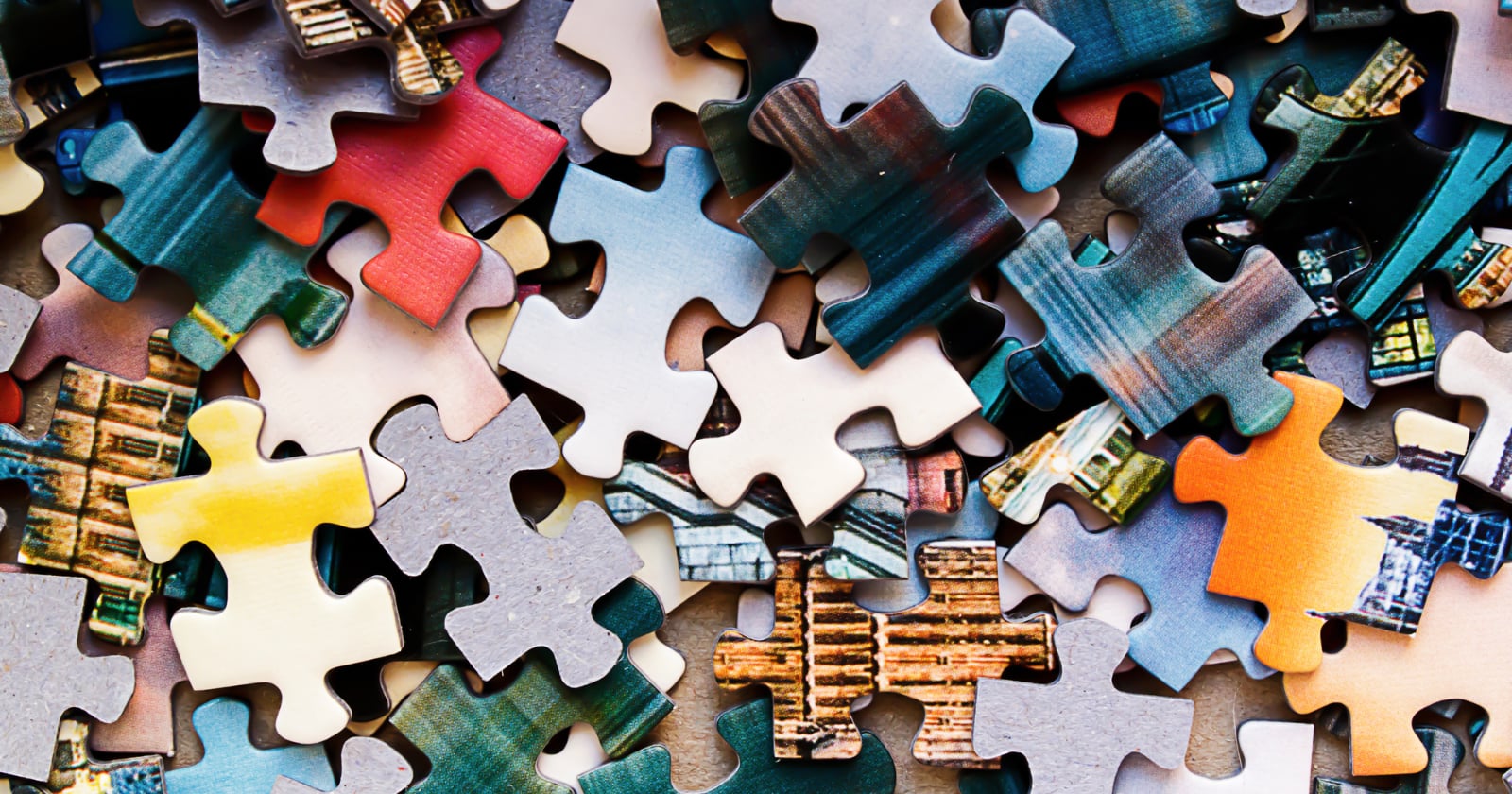
A photographer's copyright claim against a Canadian puzzle-maker has been allowed to proceed, and that ruling matters far beyond a single courtroom. It speaks directly to how we value, and protect, the images that shape our visual culture. When a creator's work is reproduced without permission, especially on a commercial product like a jigsaw puzzle, the law must affirm that the act of seeing, framing, and capturing a moment is not merely a technical skill but an original expression deserving of protection. This case echoes a theme we have explored before: the quiet, often invisible boundary between inspiration and appropriation. For anyone who has ever felt the sting of seeing their work repurposed without credit or compensation, this is a reminder that the law can, and should, catch up to the ethics of creation.
This is not an abstract legal debate. For photographers, illustrators, and anyone whose livelihood depends on original imagery, the outcome of this lawsuit will set a precedent about how aggressively they must guard their portfolios. Consider the photographer who covered a high school football team for 28 years, only to be shut out without explanation. That story illustrated how easily goodwill can be exploited when clear boundaries are absent. Here, the question is whether a puzzle-maker can treat a photograph as raw material for a product, a transformation that may feel creative to the company but feels like theft to the artist. We believe that a photograph is not a starting point for someone else's profit. It is a finished work, a singular vision, and using it without permission diminishes the craft that produced it. This case reinforces what we have long argued: that the artistic eye, whether trained on a low-light film stock or a city street, deserves the same legal respect as a painting or a sculpture.
What does this mean for our readers, the creatives, the collectors, the ones who curate their lives with intention? It means vigilance. It means understanding that copyright is not a bureaucratic afterthought but a tool for preserving the authenticity we value so deeply. When you share an image, license it, or even post it online, you are making a choice about how your work enters the world. This lawsuit is a practical reminder that permission matters, even when the use seems flattering or the product appears harmless. A puzzle is not a homage; it is a reproduction, and without a license, it is a violation. We have written about the art of seeing anew, about how a lens can transform how we perceive the familiar. That transformation belongs to the photographer, not to the manufacturer who prints it on cardboard.
The specific question to watch is how the court defines "transformative use." If the puzzle-maker argues that cropping, resizing, or printing on a different medium makes the image their own, that argument threatens every photographer who licenses stock work or sells prints. A ruling in the photographer's favor would affirm that a photograph's integrity is not negotiable, that the artist's intent survives the reproduction process. That is the line worth defending, and we will be watching closely.