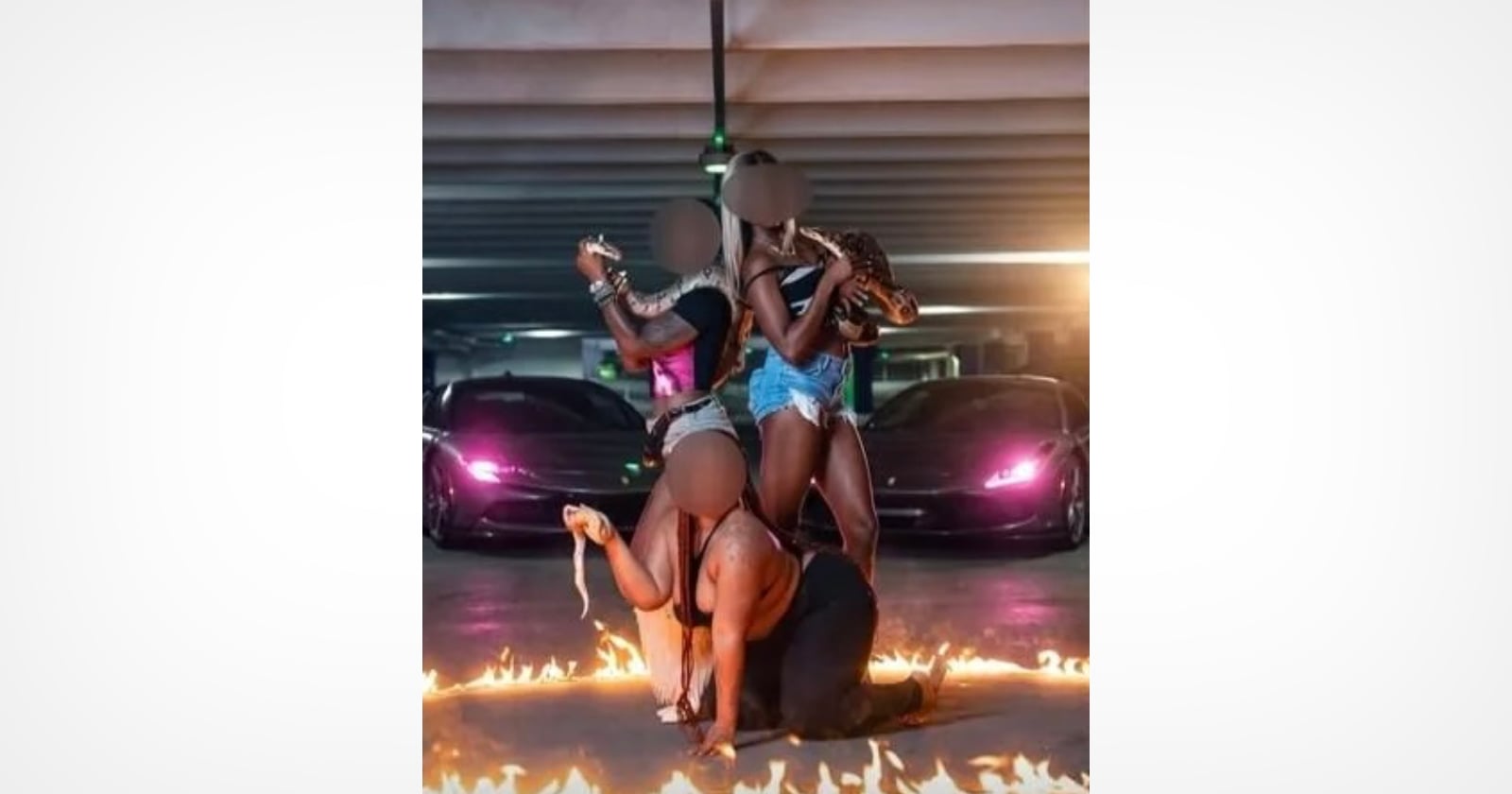
The arrest of a photographer for allegedly staging unlicensed shoots with a lemur and a spider monkey lands with a particular weight in our corner of the creative world. We spend so much time here chasing the perfect frame, the most immersive atmosphere, and the kind of curated authenticity that makes a still image feel like a living story. Yet this incident yanks the curtain back on a truth we often prefer to blur: the pursuit of the extraordinary can sometimes trample the very ethics that make art meaningful. It is a stark reminder that the vibrancy we seek in our work must never come at the cost of another being's dignity, whether that being is a model, a landscape, or a wild creature pulled into a parking garage for a spectacle.
This story feels like a necessary counterpoint to the more romantic visions we often celebrate, such as the dedication to craft seen in The Unspoken Dialogue Between Lens and Loom in Ancient Silk or the spontaneous energy captured in Finding Joy on the Streets, One Frame After Fashion. Those pieces highlight how artistry can flourish within a framework of respect, whether honoring a centuries-old technique or seizing a candid moment in an urban landscape. They prove that creativity does not need to exploit to be captivating. The photographer in this case, however, chose a different path, one that traded ethical responsibility for a fleeting, high-contrast aesthetic. For our readers, the takeaway is practical and immediate: before you set up a shoot, ask yourself what you are truly inviting into the frame. Are you curating a scene, or are you coercing a participant? The line is thinner than we often admit.
What we would tell a reader who asks about this is simple: let this be a lesson in boundaries, not just a cautionary tale about legal trouble. The photographer's alleged actions, using a lemur and a spider monkey without proper licensing, suggest a mindset where the animal's welfare is secondary to the visual payoff. That is a dangerous trade-off. In our world of fitness, beauty, and fashion, we often chase the spectacular, but the most aspirational images are those that are also authentic. A ring of fire and luxury cars might create a dramatic tableau, but what does it say about the creatures forced to share that space? It speaks to a lack of imagination, a reliance on shock value rather than genuine storytelling. We would urge our community to dig deeper. Look to the artists who find majesty in the mundane, like those who capture cosmic wonder in the night sky, as explored in Capturing Cosmic Beauty: An Astrophotography Journey with Nikon. There is a quiet power in that.
The open question this leaves us with is not whether the photographer should face consequences, but how we, as a creative community, can recalibrate our standards. We must ask ourselves what we are willing to sacrifice for a single, striking shot. Are we willing to blur the lines of consent, safety, and ethics just to stand out in a crowded feed? The answer should be a resounding no. The concrete point to watch here is how the industry responds, whether we will see a push for stricter guidelines on animal handling during shoots, or if this becomes just another headline. We have the power to make a different choice in our own work, to prioritize a respectful collaboration with the world around us over a performative one. That is the only way to keep our art vibrant, authentic, and worthy of the beauty we claim to celebrate.