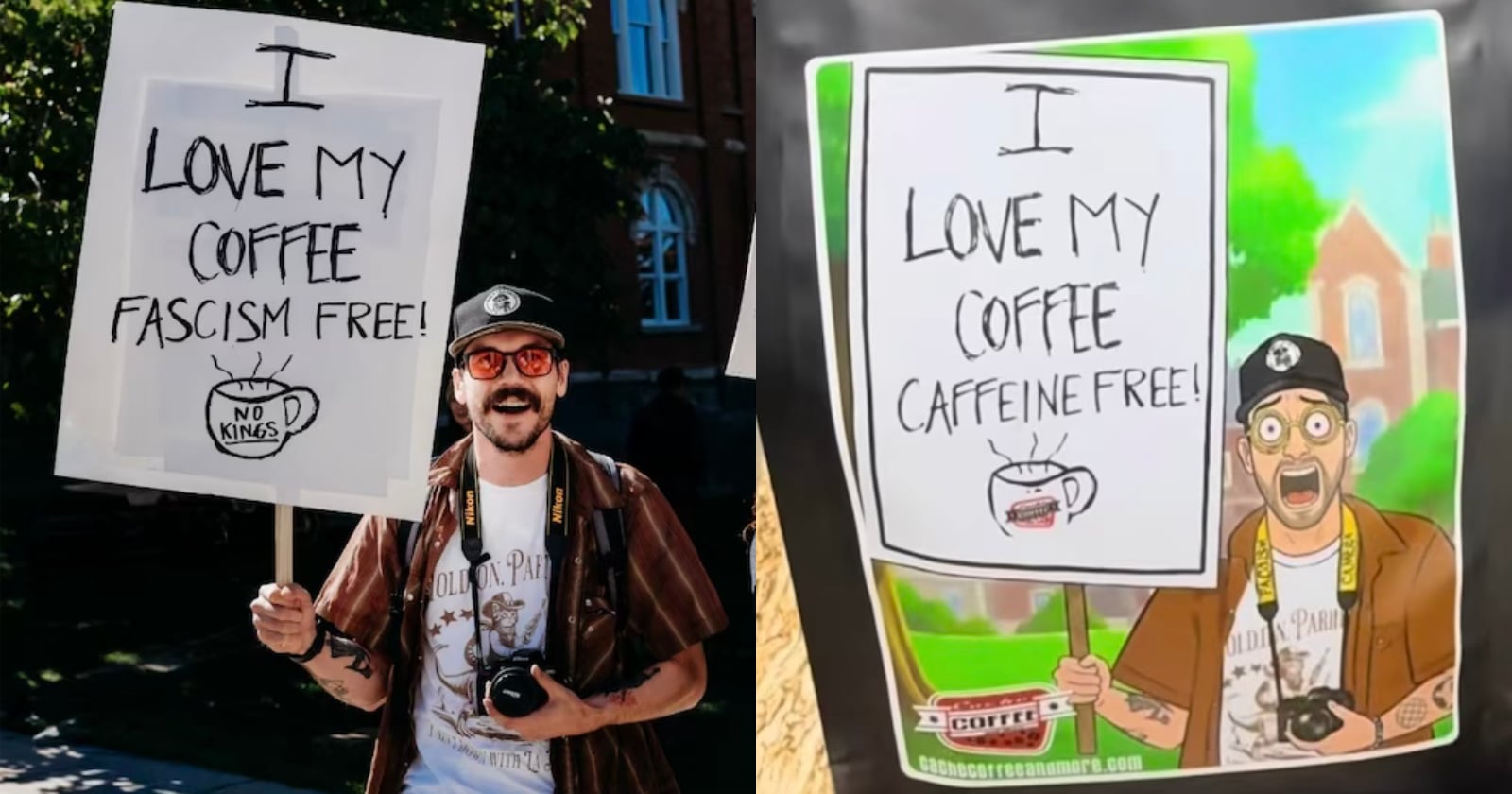
A single image can hold a protest, a memory, and a living culture inside its frame. When a photographer sees that image redrawn as a cartoon on a coffee cup, the result is not just a legal dispute; it is a collision between creation and commerce. The lawsuit against the local coffee shop raises a question that lingers long after the headline fades: where does inspiration end and infringement begin? We are not lawyers here, and we have no interest in pretending otherwise. But we do care about the line, because our readers walk it every day, whether they are behind a lens, at a loom, or in a darkroom. This case is a reminder that the distance between homage and theft is often measured in consent.
The photographer's claim feels familiar to anyone who has followed the quiet, ongoing conversation about artistic ownership. It echoes the tension we explored in The Unspoken Dialogue Between Lens and Loom in Ancient Silk, where tradition and technique pass through generations, often blurring the question of who truly holds the original thread. And it resonates with the structural fights we have covered, such as the one detailed in A Creative Court Win Cracks the Door to Canon's Closed Lens Mount, where a legal decision opened space for third-party innovation. In both cases, the law becomes a canvas on which creators paint their limits. Here, the canvas is a cup sleeve. The artist's work was not stolen outright; it was translated, adapted, and in that translation, something vital was lost.
For our readers, this is not an abstract debate. It is a practical warning about how easily a signature style can be co-opted by someone with a printer and a business model. We would tell any photographer, designer, or illustrator: treat your archive as a living contract. Register your work, keep your receipts, and do not assume that a friendly nod from a local shop owner means your rights are safe. At the same time, we would caution against seeing every adaptation as an attack. The coffee shop may have believed they were celebrating the image, not diminishing it. But belief does not equal permission. The takeaway here is crisp and worth quoting: **attribution without authorization is still appropriation.** That is the line we should all be watching.
What happens next will depend on the details, and we will be watching the case closely. Will the court see the cartoon as a fair use parody or a direct derivative? Will the photographer's proof of ownership hold up under the weight of a coffee sleeve's small print? These are open questions, but one thing is certain: this story will not end with a settlement. It will end with a precedent, and that precedent will echo into every studio, gallery, and kitchen table where someone is deciding whether to ask first. The artist's fight is not just about this one image. It is about the next image, and the one after that. The cup may be disposable, but the principle is not.