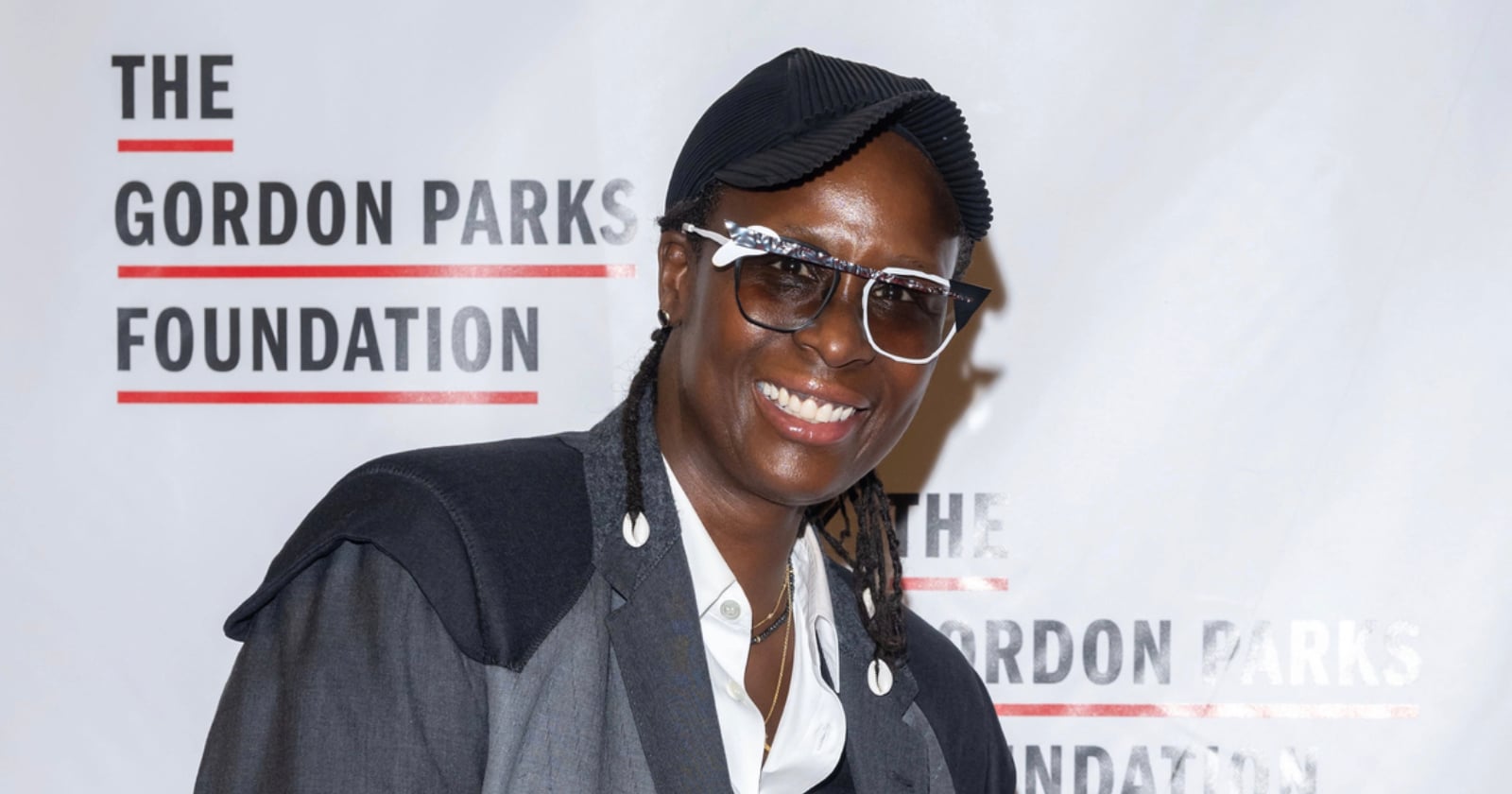
The art world has long traded on the quiet thrill of borrowing, but a new lawsuit against Mickalene Thomas asks us to draw a harder line between homage and theft. A photographer has accused the celebrated artist of appropriating more than a dozen of her images without consent or credit, and the news lands with a particular weight for anyone who has ever picked up a camera. We are not lawyers here, but we are storytellers who understand that context is currency. This is not a simple case of inspiration; it is a claim about the unacknowledged labor that props up a famous name. As we digest this, we are reminded of The Unspoken Dialogue Between Lens and Loom in Ancient Silk, where we explored how textile artists have always woven borrowed symbols into their work, and how the line between tribute and theft was just as porous then as it is now. The difference, of course, is that the weavers of ancient Kesi did not have the option to sue for credit, and their names were lost to time.
Thomas is a titan, known for her glittering, collaged portraits that celebrate Black femininity with unapologetic glamour. Her work is often described as a reclamation of images that mainstream art history ignored. So when a lesser-known photographer steps forward to say, "Those lines you love? I drew them first," the irony is not lost on us. The artist who built a career on recontexturing found imagery is now being asked to answer for her own sources. This is not a case of a fan copying a style; it is an allegation of direct appropriation, a dozen times over. For our readers, many of whom are creators themselves, this is a cautionary tale about the value of your own archive. We would tell you this: keep your negatives, your raw files, your dated emails. The moment your work enters the world, it is both yours and not yours, and the law is a slow, expensive mirror. We have seen this tension play out in other corners of the creative world, as in A Creative Court Win Cracks the Door to Canon's Closed Lens Mount, where a small player fought a giant and won a small opening. That victory was about hardware, but the principle is the same: ownership is a muscle, and you have to flex it.
The practical takeaway here is not to stop making art, but to be radically deliberate about your process. If you are a photographer who stages a scene, you own that light, that pose, that arrangement. If you are an artist who paints from a found photograph, ask yourself if you would be comfortable if the roles were reversed. Thomas's lawyers will likely argue that she transforms her sources, and maybe she does. But the photographer's claim is that the transformation is cosmetic, a change of medium rather than meaning. That is a question for a judge, but it is also a question for our collective conscience. We would say to any reader who is torn: do not let this story scare you into silence, but let it make you sharper. Document your influences, credit your muses, and when in doubt, ask. The cost of a license is nothing compared to the cost of a lawsuit, and the cost of a lawsuit is nothing compared to the cost of your reputation. Watch this case closely, because its outcome will ripple far beyond the gallery walls. The specific detail to track is whether the court focuses on the quantity of images taken or the quality of the transformation, because that distinction will tell us exactly how much of your work is actually yours.