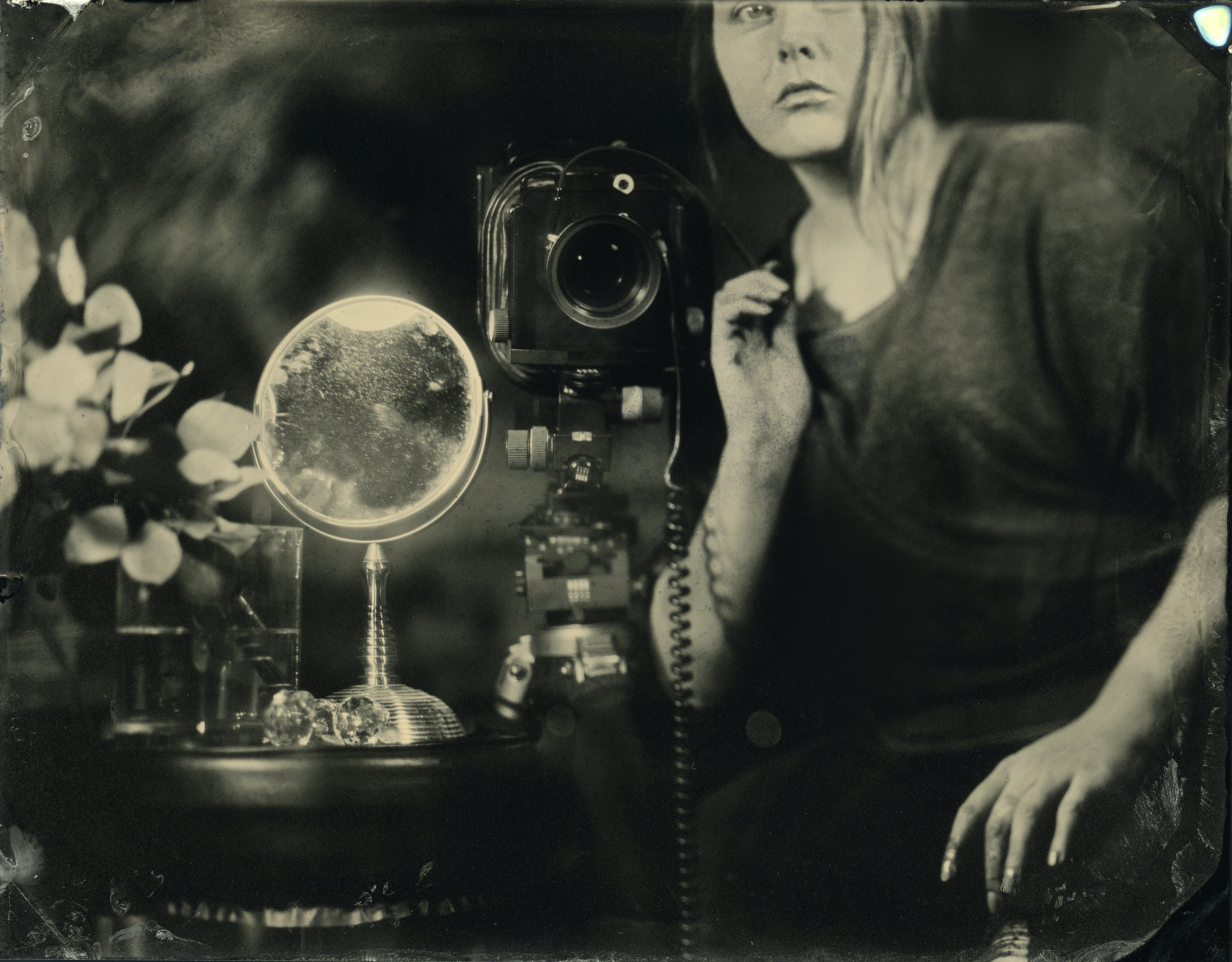
The other day, while getting blood drawn, a nurse mentioned that her boyfriend is a photographer. We fell into that familiar conversation about AI, and she admitted neither of us would trust it. But then she shared how it is actually reshaping his craft, pushing studios to rethink what they offer. That moment stuck with me because it captures something real: AI has stripped away the pretense of technical perfection and forced the industry to return to what it has always secretly known. The magic was never in the lens or the edit. It was in the moment, the connection, the story that only a human can coax into existence. Some studios are taking this seriously, and it is about time.
This is not a lament for the old ways. It is an invitation to dig deeper. When anyone can generate a photorealistic image with a prompt, the value of a photographer shifts from producing a picture to curating an experience. The nurse's boyfriend is living that shift, and so are the studios featured in our related coverage. Consider the bold move toward Collaborate & Create: Boudoir Sessions Offered Across Florida's Coast, where the focus is on collaboration and trust rather than a final file. Or the integration of tools like Unlock Creative Power: Lightroom and Photoshop Now Within Gemini, which blurs the line between human artistry and algorithmic assistance. And then there is the cautionary tale of an Aspirational Image, Unexpected Exit: CEO Departs After AI Photo, a reminder that authenticity cannot be faked without consequence. These stories are not separate. They are threads in the same conversation about what we value when the image is no longer a reliable record of reality.
Our take is simple: the photographers who thrive will be the ones who lean into the human elements that AI cannot replicate. The nervous laughter before a pose, the quiet reassurance after a difficult session, the joy of seeing yourself through someone else's eyes. That is not a technical skill. It is an emotional one. For our readers, this means the next time you book a shoot, you are not just paying for a photo. You are paying for an interaction, a perspective, a version of yourself that only a skilled artist can draw out. And if you are a photographer reading this, the question is not whether to resist AI, but how to use it as a tool without letting it dilute your voice. The studios that get this right will not just survive. They will set the standard.
So here is the concrete point to watch: the next time you see a striking portrait, ask yourself if it was made or merely generated. And if you are the one behind the camera, ask what your client will remember when the images are archived. Will they recall the lighting, or will they recall feeling seen? Because in an age where every pixel can be fabricated, the only thing left to sell is the truth of the encounter. That is the new creative currency, and it is worth more than any algorithm can mint.