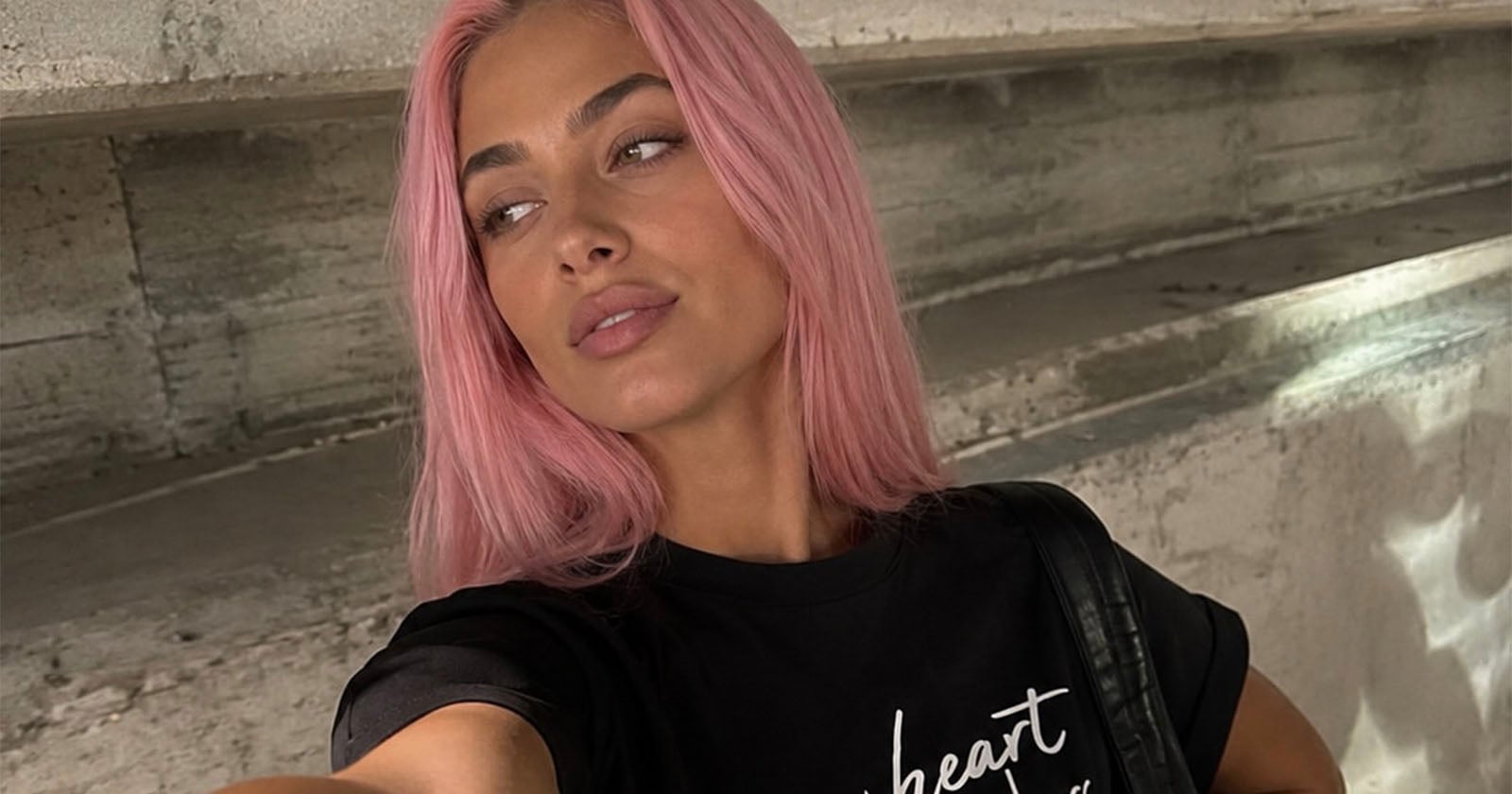
There is something quietly unsettling about scrolling past a face that looks perfectly real, only to discover it was generated by a machine. Instagram's recent move against AI-generated creators who masquerade as humans feels less like a policy update and more like a cultural exhale. For years, we have watched the platform become a curated gallery of impossible standards, but this particular illusion cuts deeper. It is not just about filters or lighting anymore; it is about the fundamental question of who, or what, we are actually engaging with. The rise of these digital doppelgängers has blurred the line between inspiration and deception, and seeing the platform finally respond suggests that even the most polished corners of the internet are craving a return to something real.
This moment echoes a broader tension we have been tracking across the creative and lifestyle spaces. Just recently, we explored how Aspirational Image, Unexpected Exit: CEO Departs After AI Photo highlighted the very real consequences of presenting a fabricated image to the world. And while tools like Unlock Creative Power: Lightroom and Photoshop Now Within Gemini promise to expand our artistic horizons, they also remind us that the line between enhancing a photo and inventing a person is becoming dangerously thin. The difference, of course, is intent. A creative tool asks for your input; a fake profile asks for your trust.
Our take is this: the problem was never AI itself, but the quiet erosion of authenticity it enables. When a brand or an individual follows a beautifully curated account, they are making a judgment call based on a promise of connection. That promise becomes hollow when the face behind it is a fiction. Instagram's move is a step toward restoring that trust, but it is only a beginning. For our readers, the practical takeaway is simple: let this be a prompt to audit your own feed. Ask yourself what you are drawn to and why. If an account feels too perfect, too polished, too performative, it might be worth a second look. We would tell anyone who asked us directly: do not wait for platforms to police your ethics. Your taste is your compass, and it should always point toward the genuine, even when the algorithm is pushing you toward the spectacular.
The real question now is whether this is a correction or just a patch. Instagram's history suggests they are reacting to pressure, not leading a charge for transparency. But that does not make the move meaningless. It signals that the audience is paying attention, and that our collective patience for being tricked is wearing thin. The detail to watch is not the policy itself, but how it is enforced. Will it catch the subtle fakes, the ones that pass a casual glance? Or will it only snag the obvious offenders? For now, we are choosing to see this as an invitation to value the imperfect, the candid, and the genuinely human. Because in a world where a machine can craft a flawless face, the most radical thing you can offer is your own unedited truth.