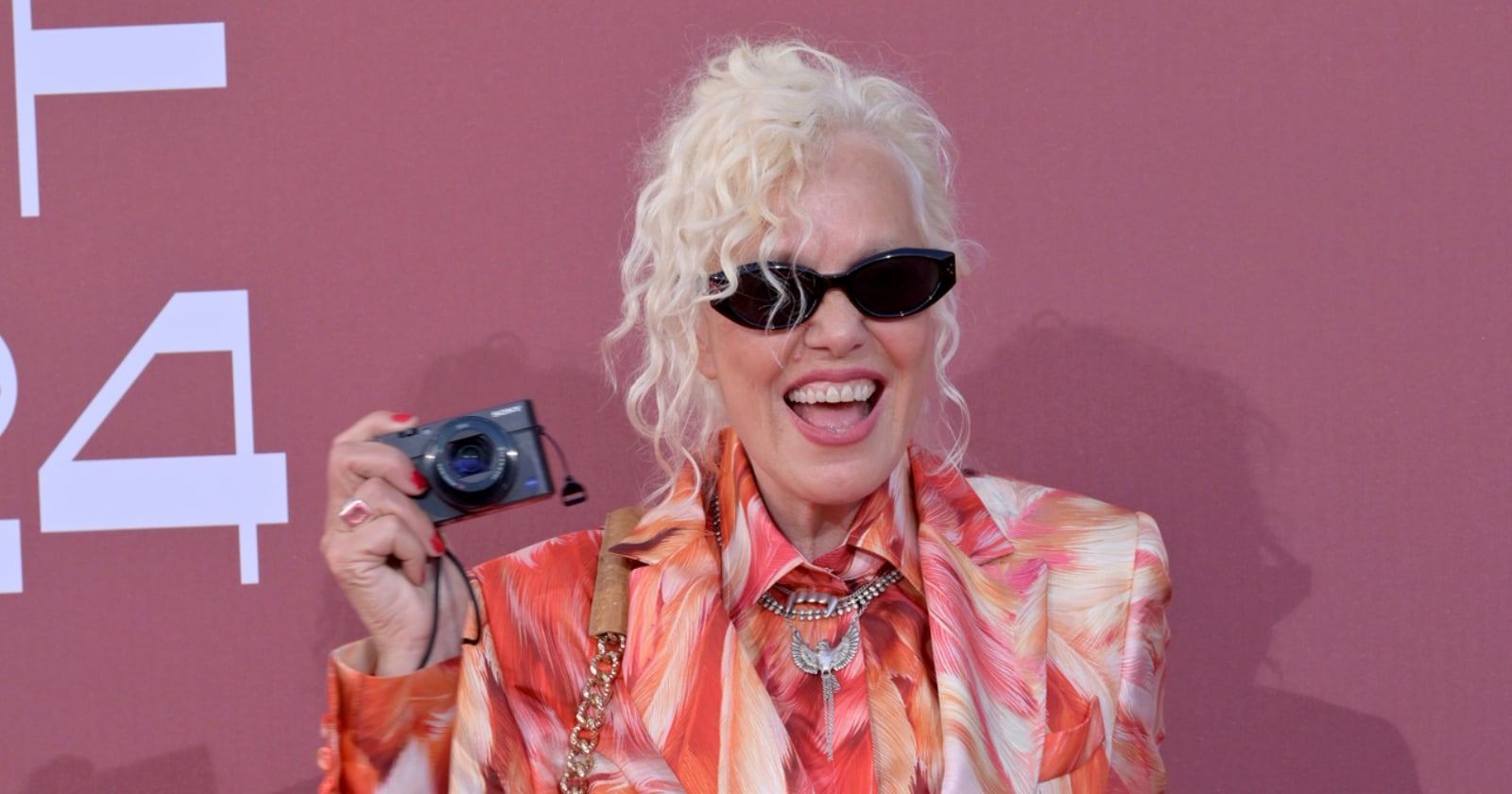
Ellen von Unwerth's recent admission that there is no money left in fashion photography is not a lament, it is a reality check for anyone who believes artistry alone sustains a career. The woman who defined the exuberant, playful edge of '90s fashion imagery is telling us that the margins have vanished, and we should listen not with nostalgia but with clarity. What she is describing is a structural shift: the economics that once allowed photographers to experiment, to fail, to develop a signature over years of editorial work, have been replaced by a system that demands volume and speed. For the creative professional, this means the romantic image of the photographer-as-artist is colliding hard with the business of content production. The practical consequence is that building a sustainable practice now requires a deliberate, almost curatorial approach to every tool and every partnership.
This is precisely why we find ourselves drawn to the news that A Curated Flow: Hasselblad X2D II Now Connects Seamlessly to Capture One and the announcement of A Curated Return to Dreamy Optics with the Speedmaster 65mm f1.4 GFX II. These are not merely product updates; they are signals of a market recalibrating toward quality over quantity. When a photographer like von Unwerth says the money has dried up, she is pointing to the collapse of the old fee structure. But the response from the industry, better integration, sharper optics, more intentional hardware, suggests that the remaining work is being done by those who invest in precision. The Hasselblad's seamless tethered shooting and the Speedmaster's dreamy rendering are not luxuries; they are tactical advantages for professionals who can no longer afford to waste time or miss a frame. The margin may be gone, but the craft has become more exacting.
We also see a parallel in the quiet ambition of A Curated Canvas for Art and Light, Now Spanning 31.5 Inches. TRMNL's larger ePaper screen is a tool for displaying work, not creating it, yet it speaks to the same underlying truth: the value chain is shifting from production to presentation. Von Unwerth's vanishing margins mean that the photographer must now own more of the process, from capture to display, to retain control and profitability. The days of handing off a roll of film and collecting a check are over. The takeaway for our readers is direct: if you are building a career in this space, treat your equipment not as gear but as infrastructure. Every piece of your workflow, from the lens you choose to the screen you present on, must earn its place. There is no room for the generic or the ordinary.
What remains to be watched is whether the industry will reorganize around a smaller, more dedicated cohort of image-makers who can command premium rates for genuinely singular work, or whether the race to the bottom will continue. Von Unwerth's observation is not a conclusion, it is a provocation. The specific consequence for anyone reading this is that your next investment should not be in volume but in distinction. Buy the tool that lets you shoot one unforgettable frame, not the one that lets you shoot a thousand forgettable ones. The margin may be vanishing, but the image that stops a finger mid-scroll has never been worth more.