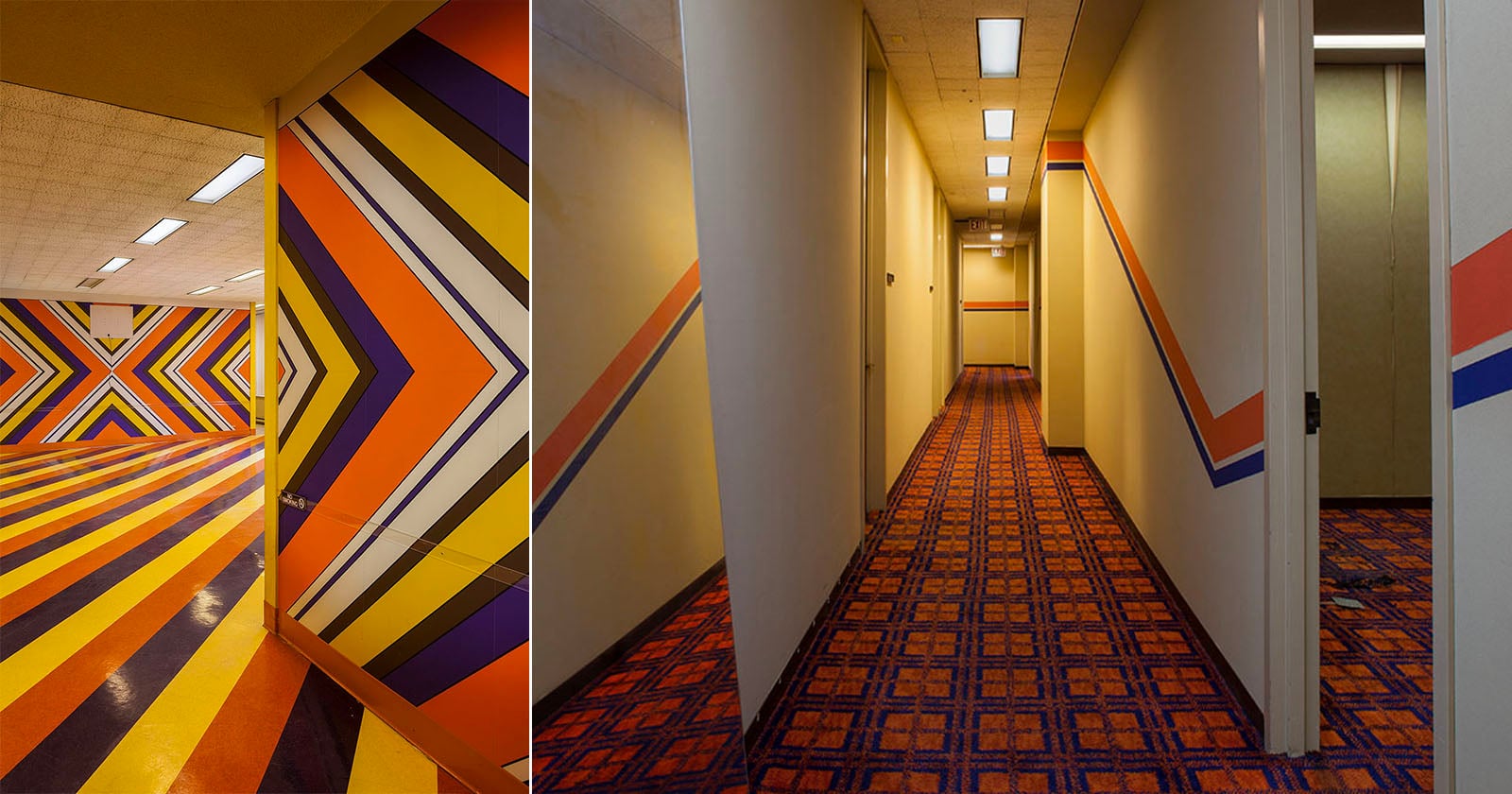
Barbara Karant's work inside the Johnson Publishing Company building is a masterclass in seeing architecture as more than structure; it is memory made tangible, and her quiet observation that it was "a very unique project" undersells the gravity of what she captured. Our take is straightforward: this is not a story about a building, but about the power of documentation to hold a legacy intact when the walls themselves are at risk. For our readers, the practical lesson is that photography is not passive observation; it is an act of curation that decides what future generations will remember, and Karant's lens chose to honor the vibrant, aspirational spirit of a media empire that gave voice to a movement.
The JPC headquarters, founded by John Harold Johnson during the Civil Rights Movement, was never just an office. It was a statement of Black excellence, a physical manifestation of a cultural force that shaped fashion, beauty, and journalism. Karant's immersion in its spaces reminds us that the environments we create are extensions of our values, and her photographs function as a bridge between the artistic and the everyday. This echoes the sentiment in our piece on A Curated Collection of Memories, Held Hostage by a Single Act, where a photographer's stolen gear threatened to erase irreplaceable wedding images; both stories hinge on the fragility of visual records and the profound loss when they are compromised. Similarly, Karant's work aligns with the precision celebrated in Shift and Scale: The Zoom Lens That Brings Architecture Into Perfect Perspective, where the right tool becomes essential for translating a space's true character, not just its dimensions.
What makes Karant's project so compelling is her refusal to flatten the building into a mere artifact. She captures the patina of use, the light falling on a stairwell, the quiet authority of a boardroom, all of which speak to a lived experience that no blueprint can convey. This is the authentic, grounded approach our audience values; it is not about glossy perfection but about the texture of truth. For those of us who see fitness, beauty, and design as intertwined, the JPC building represents a holistic vision where aesthetics and purpose are inseparable, a reminder that our surroundings shape our ambition. Karant's photographs invite us to consider how our own creative spaces, whether a studio, a home, or a favorite café, carry the weight of our stories and deserve to be seen with the same intentionality.
The concrete point to watch here is how Karant's archive will be preserved and shared, and whether it will inspire a broader movement to document the architectural landmarks of marginalized communities before they are lost to redevelopment. Her work is a call to action, not a eulogy; it asks us to look at the buildings we pass daily and ask who built them, who thrived within them, and who is telling their story. The power of her images lies in their ability to make us feel the pulse of a place that changed American media, and that is a detail worth holding onto as we curate our own visual histories.