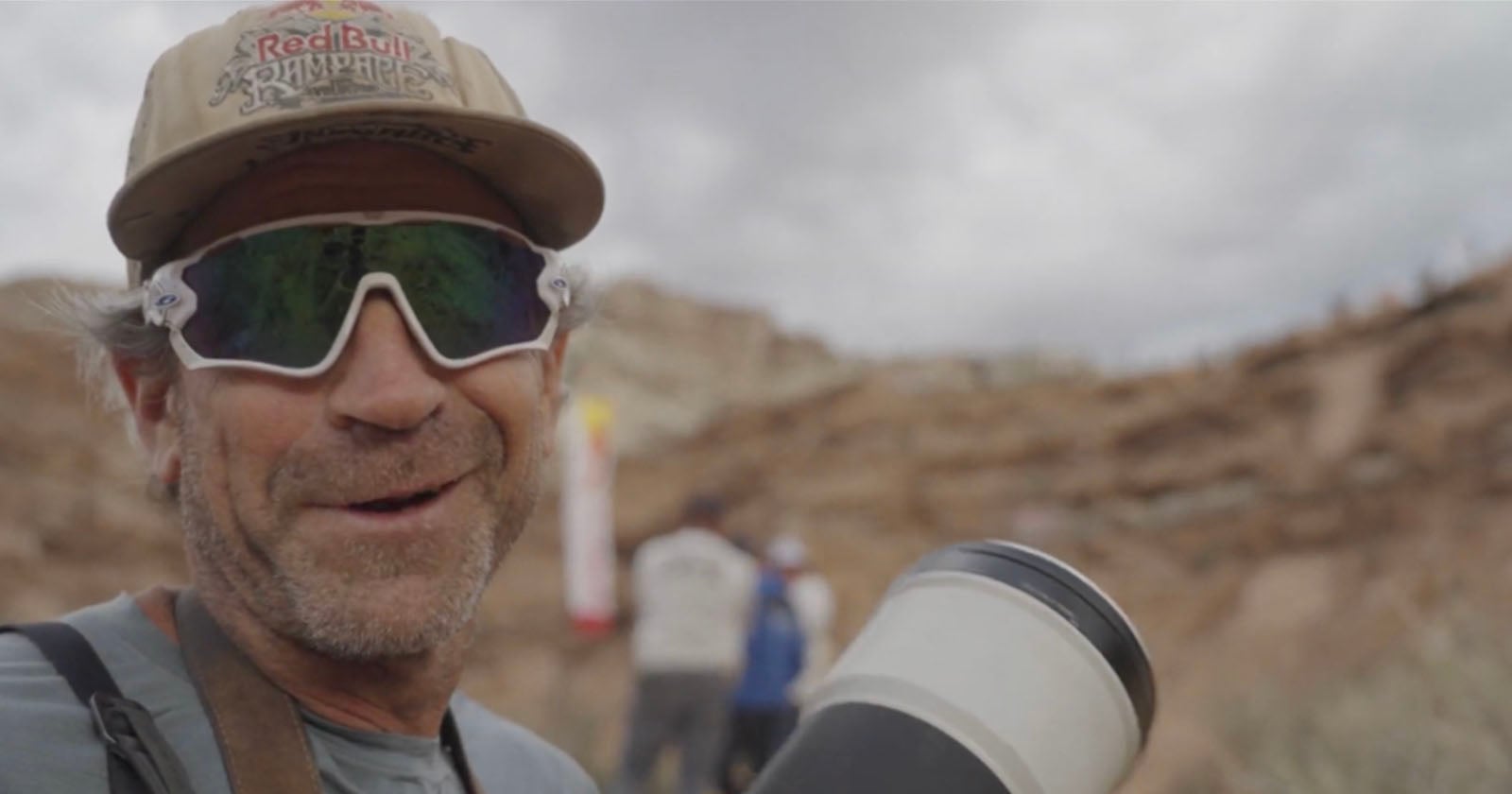
There is something quietly heroic about choosing to carry forty pounds of camera gear up a cliffside just to capture a single second of controlled chaos. The photographers at Red Bull Rampage do not merely document the event; they earn their place on the same brutal terrain as the riders, hauling bodies and equipment across steep, unforgiving desert slopes with only one chance to freeze a defining moment. This is not a job that rewards safety nets. It rewards instinct, endurance, and an almost obsessive commitment to the frame. In a world where convenience often dictates craft, this kind of discipline feels rare, and worth examining.
We see a parallel in the way London creatives turn e-bike jousting into a one-day art film, where spontaneity and physical risk become the raw material for something visually arresting. Both stories remind us that the most compelling images are born from constraint, not comfort. The Rampage photographer cannot reshoot. The e-bike jousting team cannot script the fall. There is a shared understanding here: when you remove the ability to perfect, you invite authenticity. That is exactly the kind of energy we champion, the intersection of artistry and effort, where the result is never generic because the process refuses to be. And when we consider the decade-defining craftsmanship and enduring legacy of Olympus cameras, it becomes clear that the tools themselves are built for this exact tension. A camera that lasts a decade is one that has been trusted through countless moments of chaos, carried through dust and impact, and relied upon when the shot, and the story, depends entirely on the person behind the viewfinder.
What this means for us, practically, is a shift in how we value the image. We are saturated with content that feels polished into submission. The Rampage photographer offers a counterpoint: an image that is imperfect because it was earned, not produced. The takeaway here is that the most memorable visual stories are not the ones with the most retouching or the highest resolution, they are the ones that carry the weight of the moment they were captured in. That is a standard we can apply to our own creative work, whether we are framing a portrait, designing a space, or choosing the gear we trust. The question is not whether the image is flawless. The question is whether the photographer had to fight for it.
We are left with a specific detail worth watching: the Rampage photographer gets one shot. One. That constraint is not a limitation, it is a filter. It separates those who react from those who anticipate. In our own pursuits, from fitness to fashion to the way we curate our environments, the same principle applies. The best choices are often the ones made with clarity under pressure, not the ones we endlessly revise. So the next time you find yourself chasing a moment, ask whether you are carrying the weight of preparation or simply waiting for luck. The answer will tell you everything about the frame you are about to make.