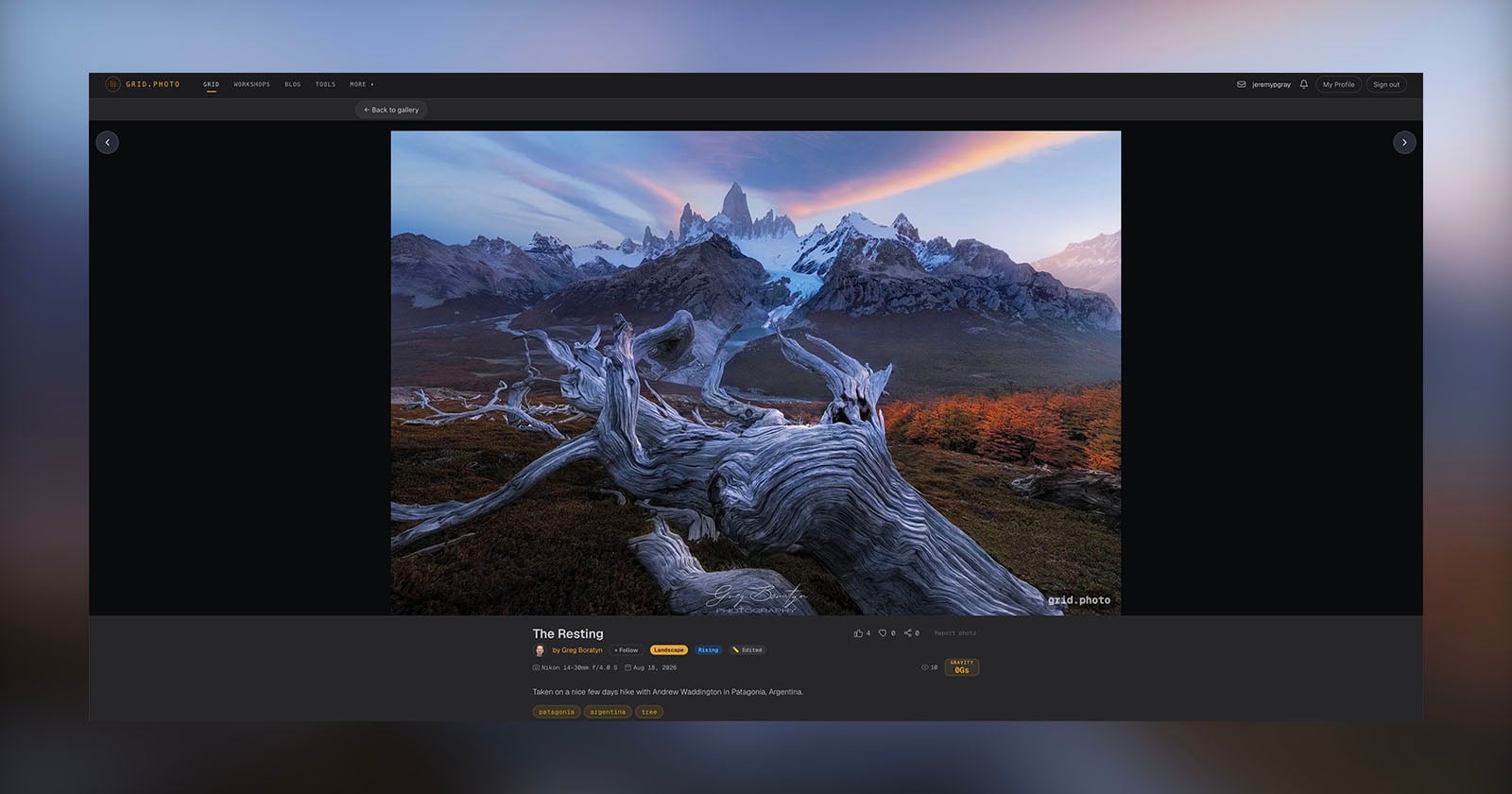
There is something quietly radical about a platform built by a photographer, for photographers, that dares to ask a simple question: what if the image were the entire point? When we learned that award-winning landscape and nature photographer Greg Boratyn is channeling his software development background into grid.photo, we felt a familiar pull. This is not a tech giant chasing engagement metrics or a conglomerate bolting on a photo feature to sell more ads. It is an artist who understands that the audience a photograph deserves is not the one that scrolls past it in a blur of algorithmically curated noise, but the one that stops, lingers, and looks.
Our own coverage has often circled this same tension, whether we were exploring the meditative patience of The Unspoken Dialogue Between Lens and Loom in Ancient Silk or chasing the spontaneous energy of Finding Joy on the Streets, One Frame After Fashion. In both cases, the art form only survives when the creator has room to breathe, unburdened by the pressure to perform for the feed. So when we read about grid.photo, our honest take is not just that it is a nice alternative, but that it feels like a necessary correction. It is an acknowledgment that the social graph has polluted the visual one, and that the most authentic thing a platform can offer is not more likes, but more silence around the work itself.
For our readers, the practical implications are immediate. If you have ever felt that strange emptiness of posting a photograph that took hours to capture, only to watch it evaporate into a stream of uninspired snapshots, this matters. The platform is not about becoming an influencer or chasing virality; it is about cultivating a space where your best frame finally gets the audience it deserves. We would tell anyone who asks us directly: this is not a place to broadcast, but a place to exhibit. It rewards the slow, deliberate curation of a visual voice, which is exactly the kind of environment where the artistry we celebrate in our street and astrophotography features can truly flourish.
The question that lingers is not whether grid.photo can grow, but whether it can stay true to its own ethos as it does. We are watching to see how it handles the inevitable pressure to monetize, or the temptation to introduce algorithmic feeds that prioritize engagement over aesthetics. For now, we are encouraged by the simple, almost romantic notion at its core: that a photograph, presented with respect, will find its audience. And in a world that has taught us to look away, that is a detail worth holding onto.