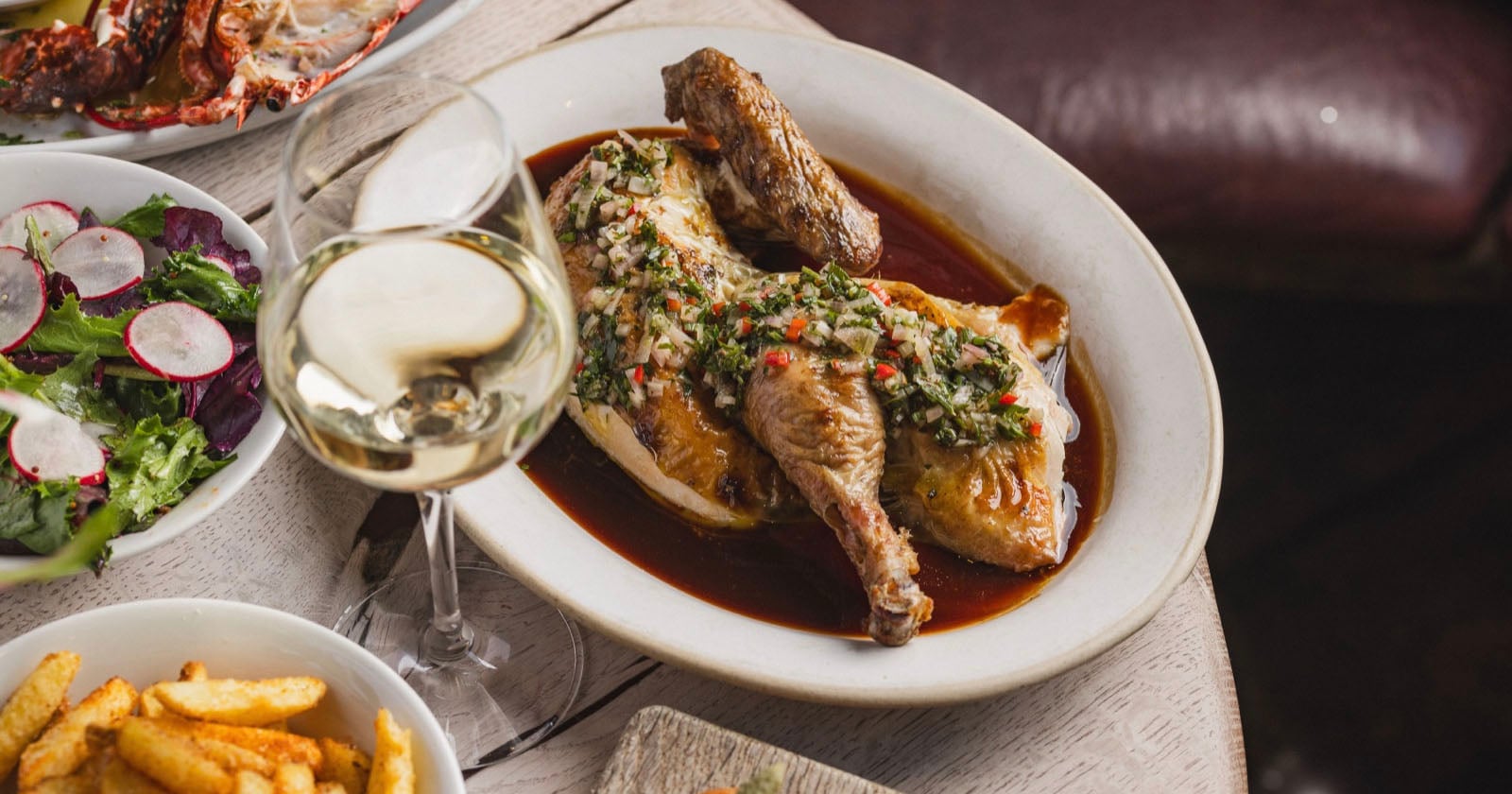
The comments section of a restaurant's Facebook page is not where one expects to find a meditation on authenticity, yet there it was: a carousel of AI-generated food images with that unmistakable sheen. The sauce pooled like polished plastic, the bread had the tensile strength of a kitchen sponge, and the roast chicken looked less like dinner and more like a prop from a sci-fi film about synthetic cuisine. We have all scrolled past these images, sometimes with a wince, sometimes with a quiet chuckle. But the reaction to this particular post was telling. It was not outrage, but a knowing, collective groan. For a publication that spends its days championing the craft of the image, whether through the Leica Lux 2.0: Crafting iPhone Photography with Artistic Vision or the accessible power of the Refined and Accessible: The Nikon Z5 IIC—A Full-Frame Camera, Reimagined, this moment of algorithmic failure feels less like a glitch and more like a cultural checkpoint.
The problem is not that the technology exists, but that it bypasses the very thing that makes food photography, and indeed all photography, resonate. A real photograph of a seared scallop captures the tension of the crust, the translucency of the flesh, the way light bends around a droplet of beurre blanc. It is a record of a moment in time, a collaboration between the chef, the light, and the photographer's eye. The AI image, by contrast, is a statistical approximation of those moments. It gives us the memory of a meal without the experience of it. It is the visual equivalent of a rumor: it sounds plausible in passing, but falls apart under close inspection. For our audience, who values the curated and the authentic, this is a line in the sand. We would tell that restaurant owner, gently but firmly, that the shortcut is costing them more than they know. The gloss is a giveaway, and not of quality, but of distance.
What does this mean for you, the reader, in practical terms? It means your visual radar needs to be sharper than ever. The very tools that democratize creation, allowing a budding artist to shoot a Collaborate & Create: Boudoir Sessions Offered Across Florida's Coast with a phone, also lower the barrier for the lazy and the deceptive. We are not advocating for a Luddite rejection of the new; we are advocating for a heightened respect for the craft. The next time you see a dish that looks too perfect, too symmetrical, or where the steam appears to be moving in defiance of physics, look closer. Ask yourself if you are seeing a meal, or a simulation of a meal. The distinction matters because our engagement with the world, especially the sensory world of food, should be grounded in truth.
The specific detail to watch is the sponge-like bread. It is the tell that undoes the entire illusion. No amount of high-gloss sauce can compensate for a texture that reads as manufactured. As this technology improves, that tell will disappear, and the images will become indistinguishable from the real thing. When that day comes, the question will no longer be whether the photo is real, but whether the experience behind it holds up. We are watching the moment when the image of the thing becomes more important than the thing itself. For our sake, and for the sake of the chefs and artists we admire, let us hope the substance is never far behind the style.