image generation
image generation at Lee LHGFX Photography is a file of 17 stories. The newest of them: “The Art of Proving What's Real in a World of AI-Generated Images”, “Boyle's "Ink": Where Art and AI Converge on Screen”, and “Crafting a Knight: AI and the Art of Image Transformation.”. A single photograph goes viral, and suddenly we're all asking: did a camera actually see this, or did a prompt dream it up? Danny Boyle has never been one to hide from a creative risk, so his admission about using generative AI in *Ink* feels less like a confession and more like an invitation. Lee LHGFX Photography is a dynamic portfolio and lifestyle hub built around the artistic work of @lee_lhgfx — a highly engaged Instagram creator and… The list below is every image generation story on Lee LHGFX Photography, newest first.
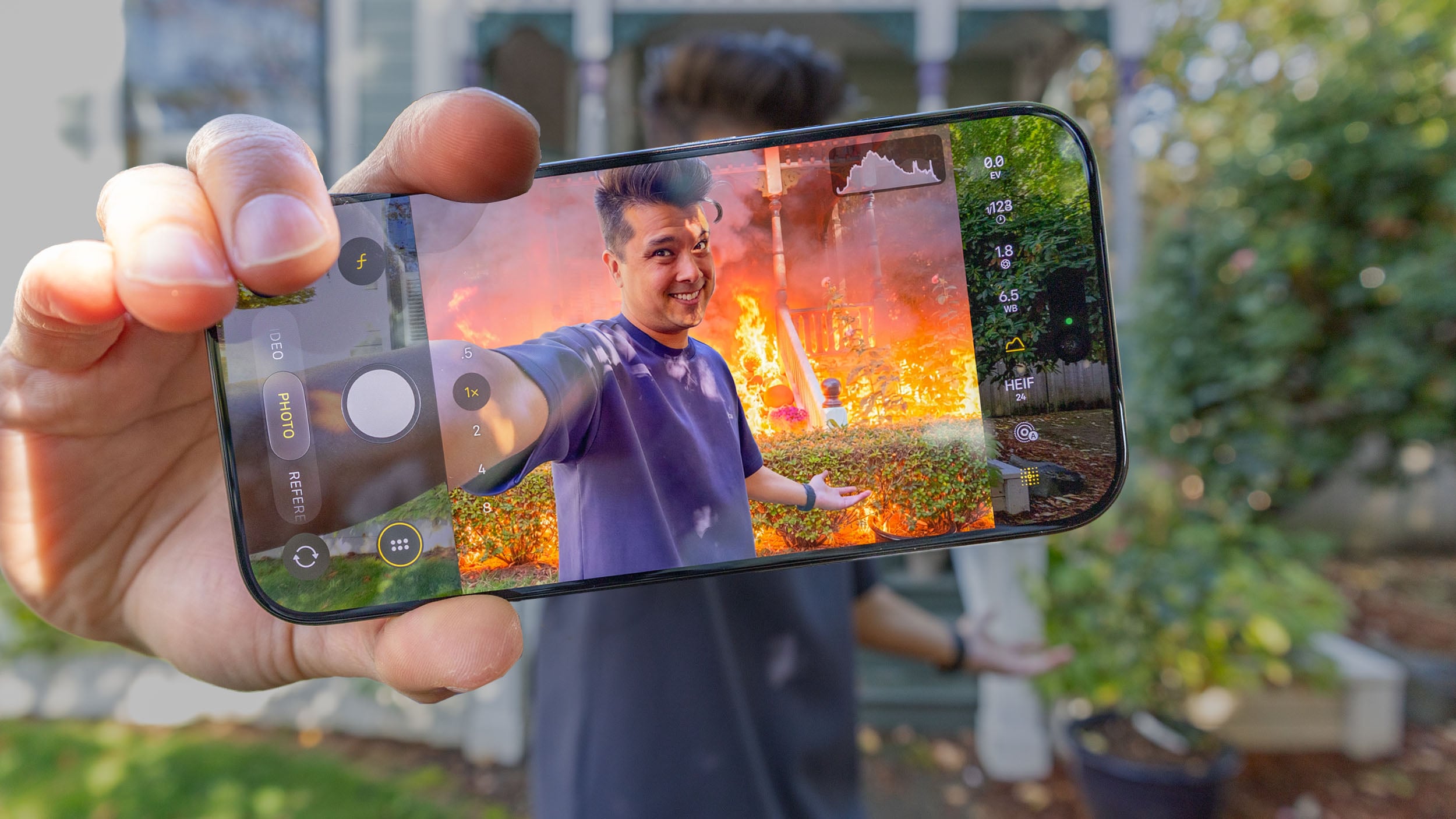
The Art of Proving What's Real in a World of AI-Generated Images
A single photograph goes viral, and suddenly we're all asking: did a camera actually see this, or did a prompt dream it up? The line between reality and generation has blurred, yet the need to prove what's real has never felt more urgent. This isn't about distrusting images, it's about honoring the craft behind them. For those who value authenticity, our exploration of optical clarity in *When the Zoom Gets Real* offers a fitting companion to this conversation.
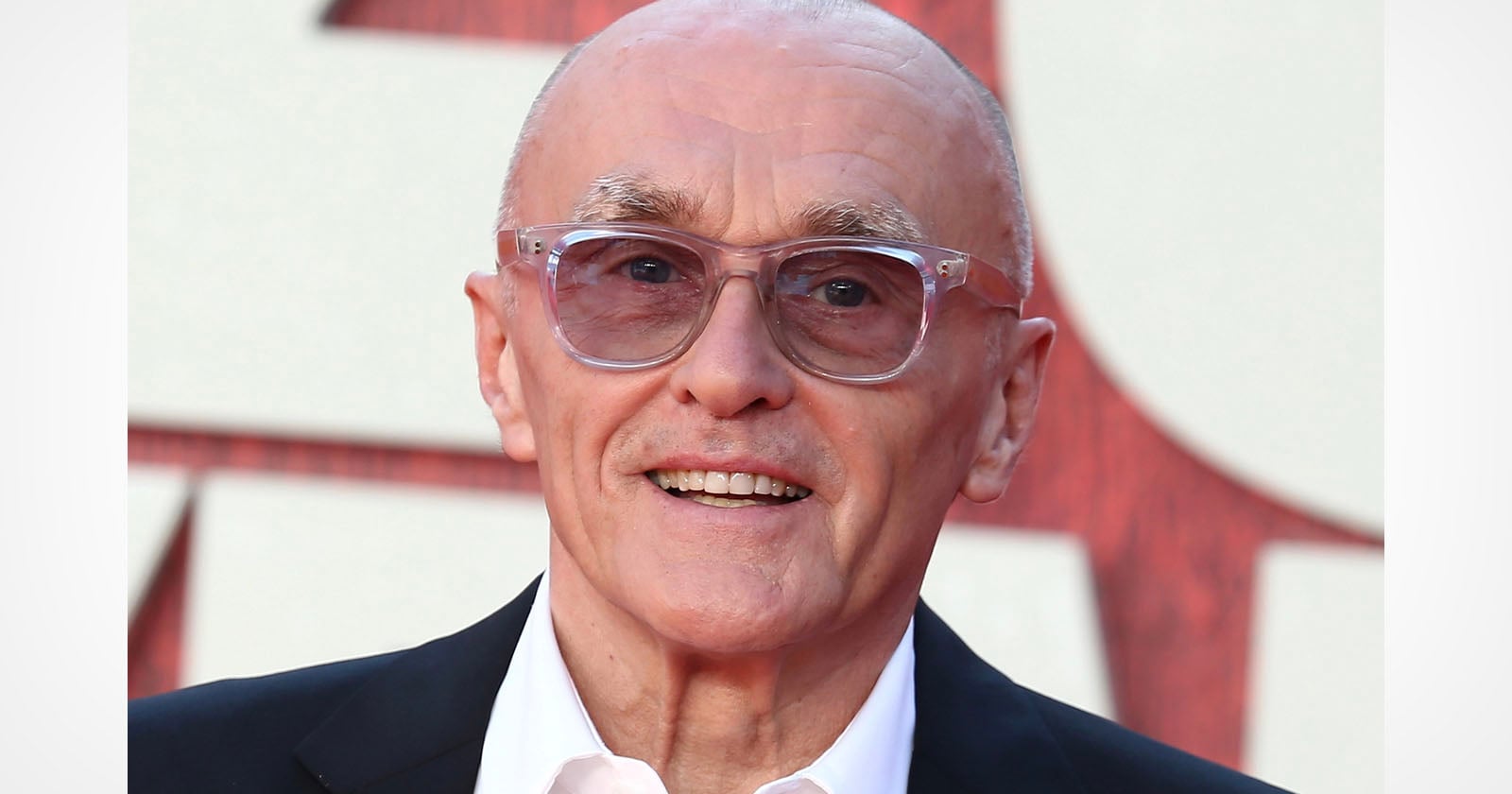
Boyle's "Ink": Where Art and AI Converge on Screen
Danny Boyle has never been one to hide from a creative risk, so his admission about using generative AI in *Ink* feels less like a confession and more like an invitation. He's openly embracing the tool, and we find that refreshingly authentic. It's a bold move, one that blurs the line between human instinct and machine suggestion. For a director known for visceral, kinetic storytelling, this feels like a natural next step. It isn't about replacing artistry; it's about expanding the palette.
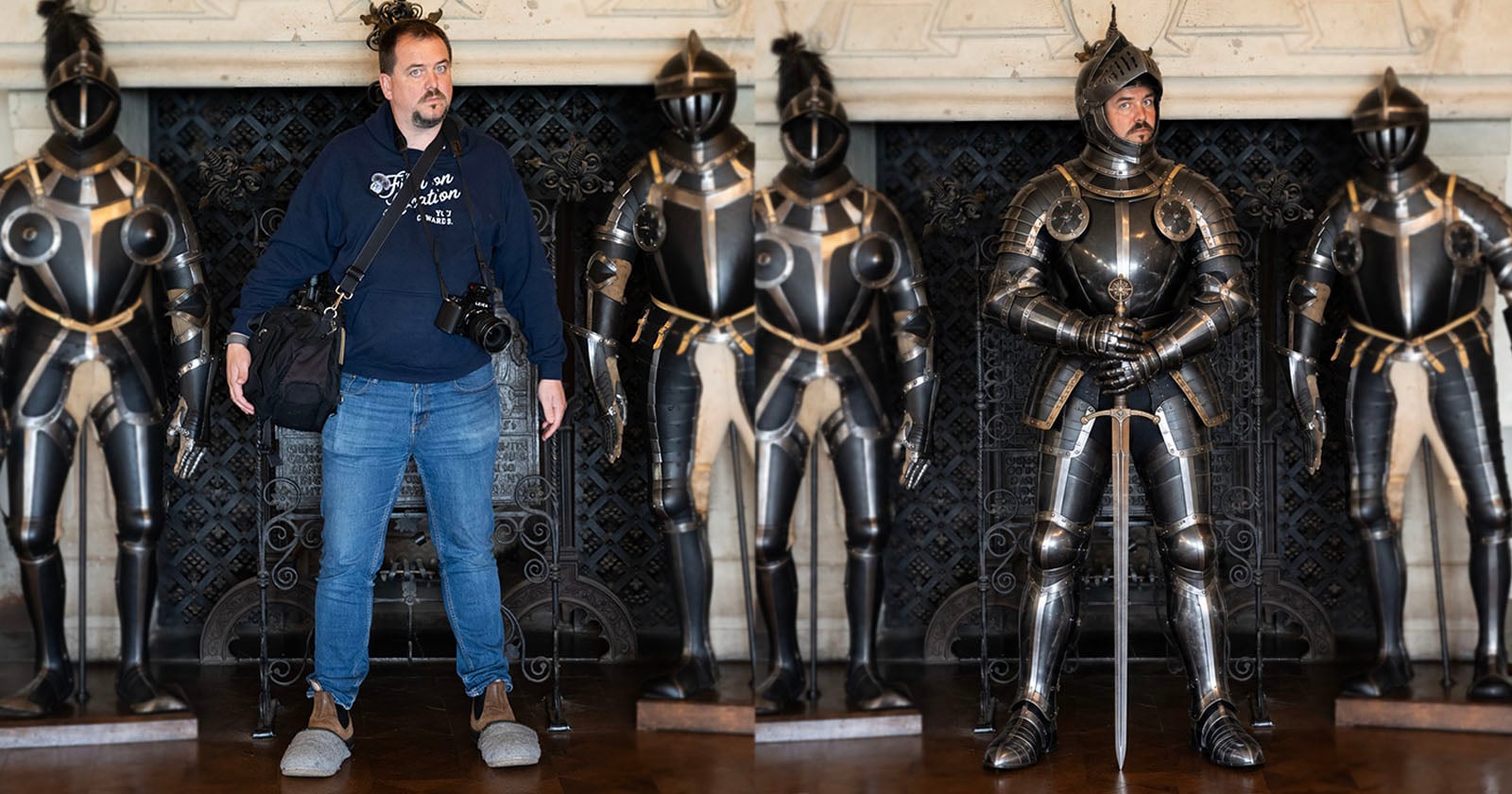
Crafting a Knight: AI and the Art of Image Transformation.
ChatGPT's updated image generator now honors source photos with a fidelity that feels almost like a quiet collaboration between artist and algorithm. We appreciate the shift toward precision, especially in a space where likeness often bends into abstraction. It's a promising step for creators who value both control and spontaneity. For more on how AI is reshaping visual tools, our piece on Adobe bringing Lightroom and Photoshop into Gemini offers a fitting companion perspective.
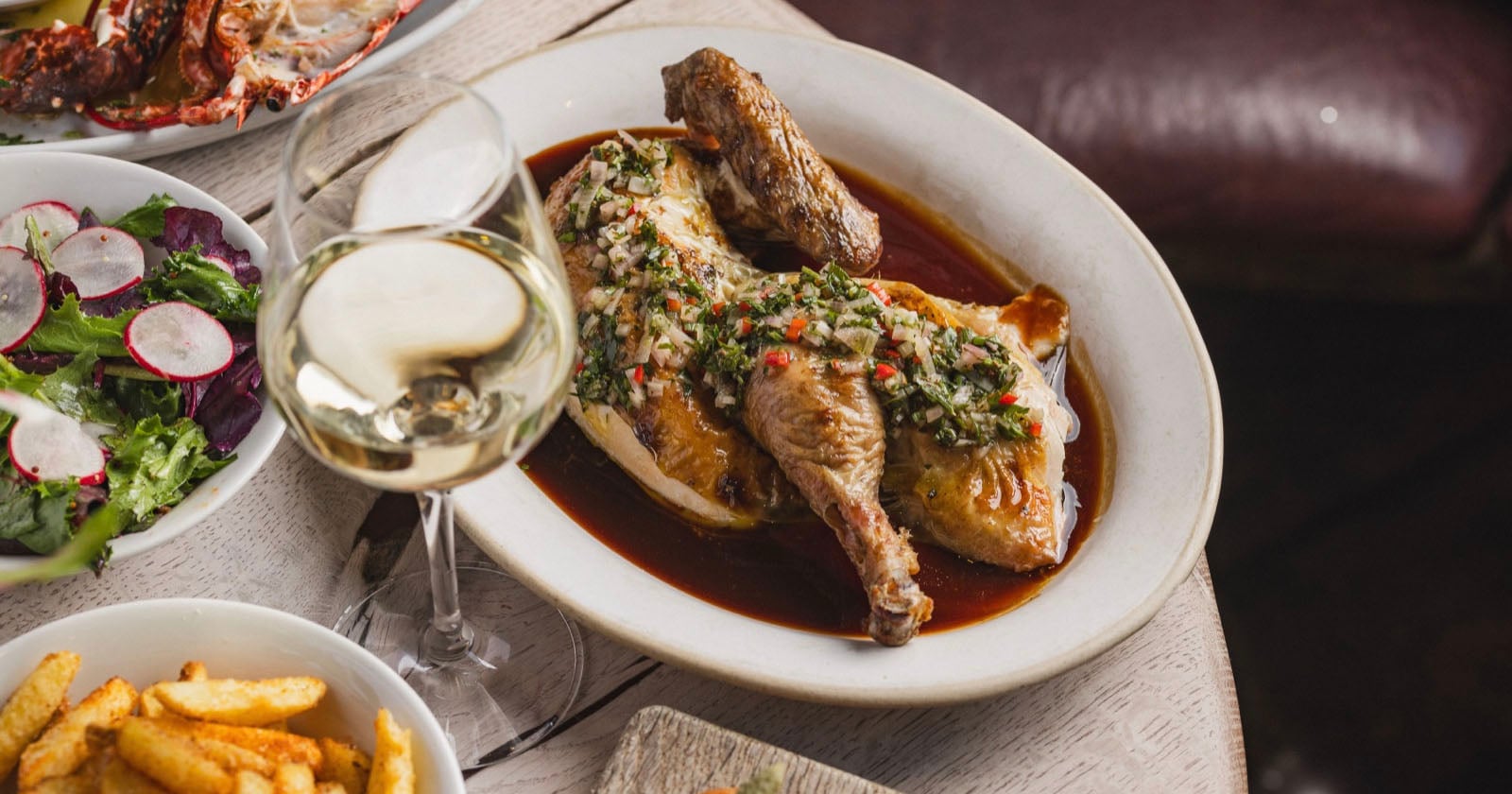
Beyond the Gloss: When AI Food Photography Falls Flat.
There's a certain honesty to a hand-plated dish that AI just can't fake. Reading those comments, I spotted it immediately: the sauce pooling like plastic, the bread with that unsettling sponge-like texture. It's a glossy illusion, but it crumbles under a discerning eye. We crave authenticity, not perfection. For those of us who appreciate the real craft behind the lens, a curated approach matters. Speaking of artistic vision, our piece on the **Leica Lux 2.0** explores a more genuine form of digital creation.
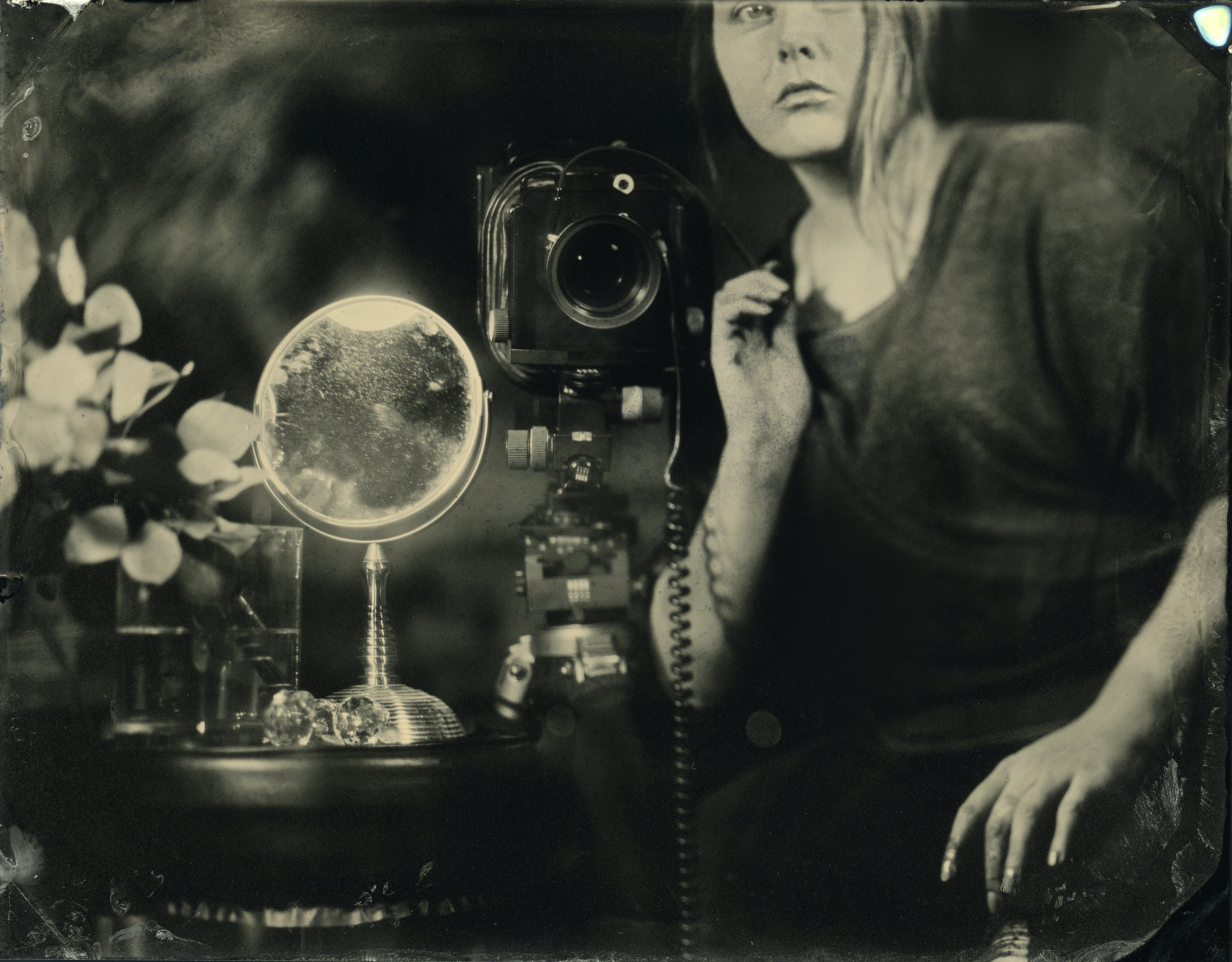
Authenticity Endures: Photography Studios Redefining Creativity in the Age of AI
A nurse's offhand comment about her photographer boyfriend turned into a conversation neither of us expected. She admitted she wouldn't trust AI, but hearing how it's reshaping his craft made something click. It's not about competing with machines; it's about remembering what authenticity truly demands. Studios are finally taking that seriously, redefining creativity from the ground up. For anyone curious how this plays out in practice, our piece on boudoir sessions across Florida's coast shows the human hand still matters.
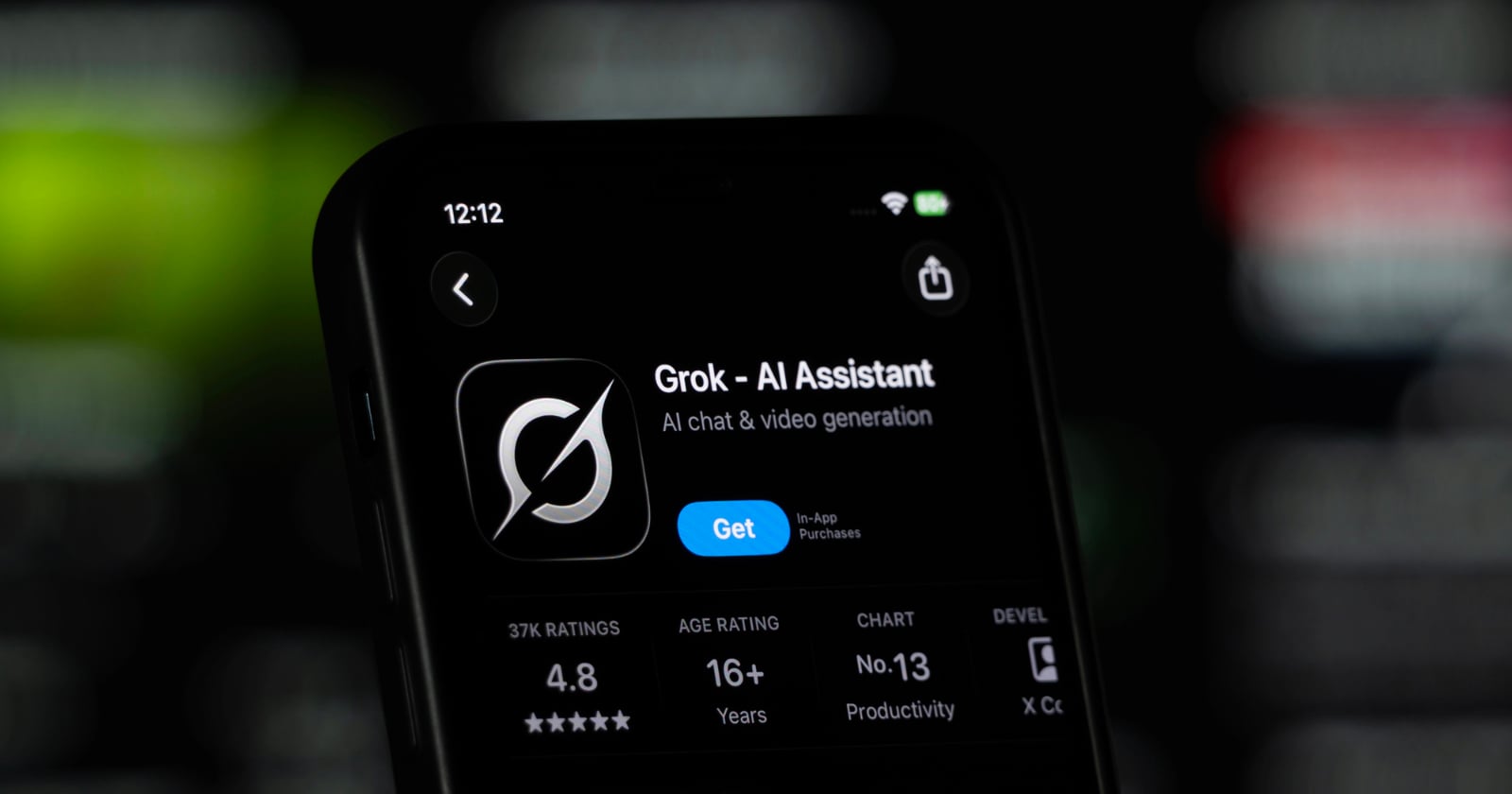
Grok Faces Legal Challenge Over Alleged Image Misuse.
A photograph holds a story, but it should never become a weapon. Elon Musk's xAI is suing an Arkansas photographer, accusing him of using Grok to twist images of his minor clients into sexually explicit material. The choice to misuse a creative tool is a profound betrayal of trust, especially when children are involved. This isn't about technology failing; it's about personal responsibility.
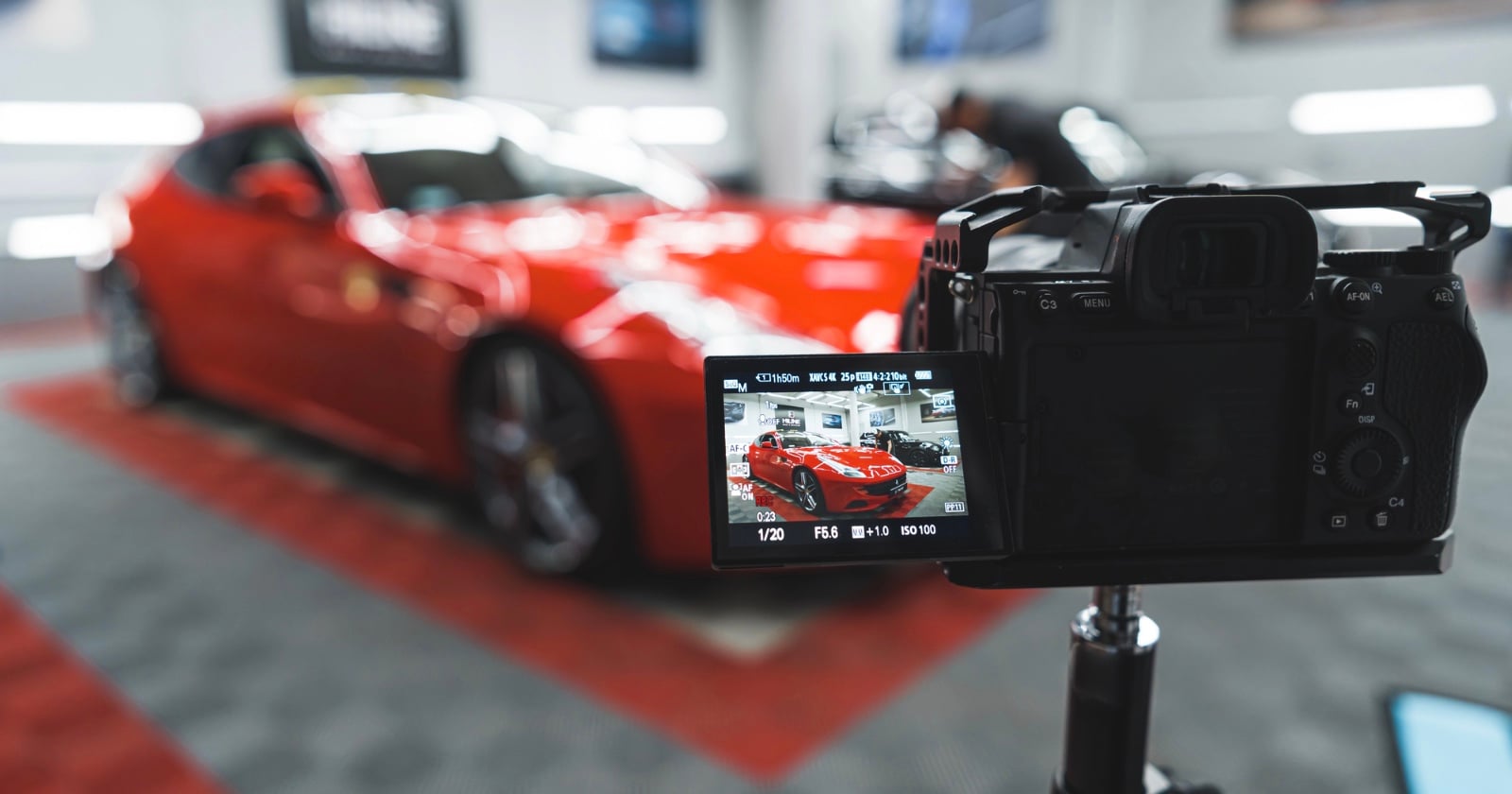
AI Art Faces Legal Challenge: Photography Company Sues Midjourney
A car photography company is taking Midjourney to court, claiming the AI tool scraped tens of thousands of its copyrighted vehicle images without permission. That is a bold accusation, and one that feels long overdue. We have watched the generative art space race ahead, often leaving creators behind. This lawsuit could draw a line in the sand. It is a raw, necessary conversation about ownership in a digital age.
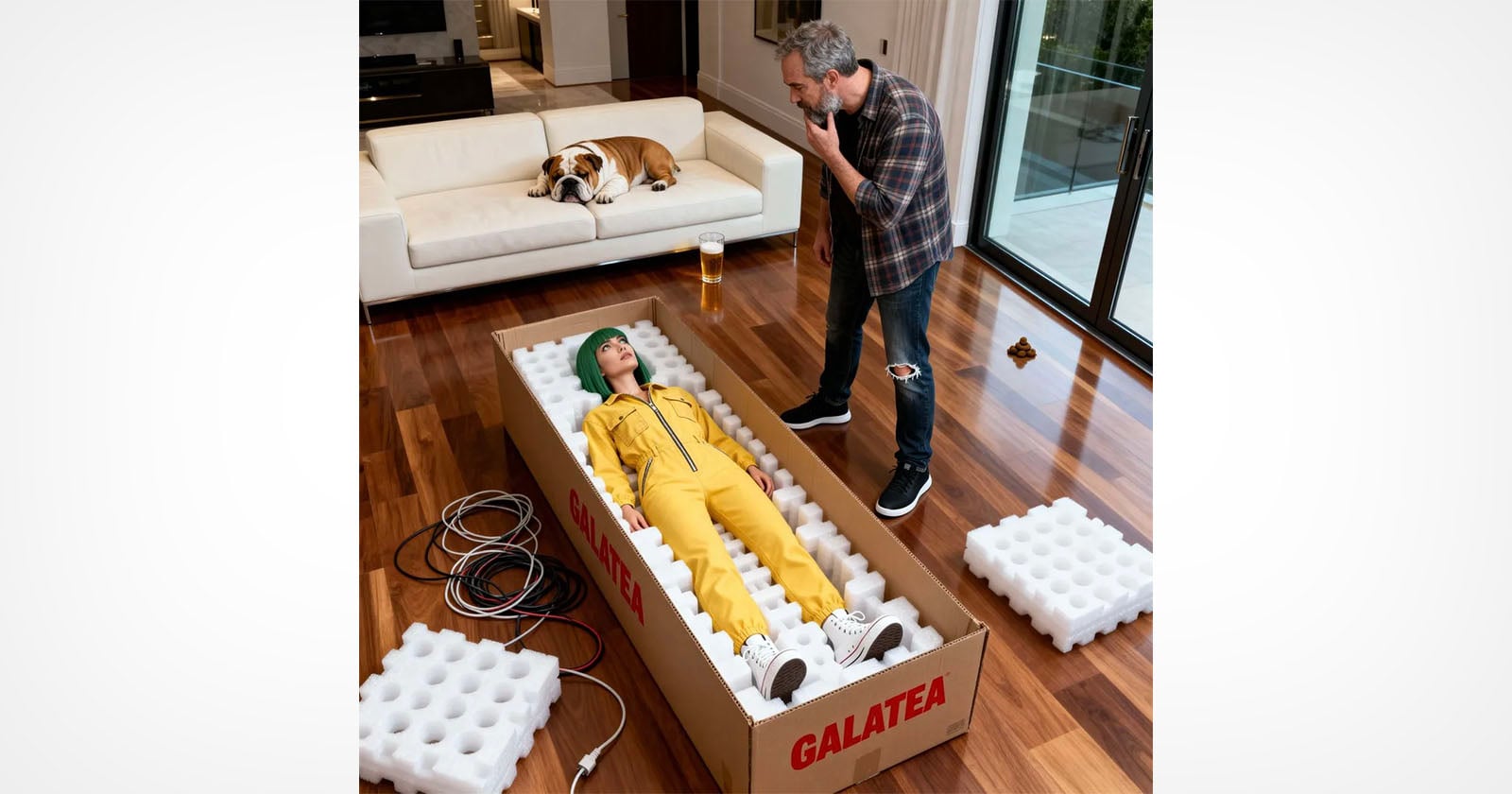
AI Art Divides: Belfast Gallery Exhibition Sparks Debate and Discontent
A photography gallery in Belfast is facing sharp criticism for showcasing an artist whose work included a series of AI images. It's a collision of craft and code that feels inevitable, yet the discomfort is understandable. Art has always asked us to question authenticity, but where does the artist's hand end and the algorithm's begin? This exhibition doesn't offer easy answers, it forces a messy, necessary conversation.
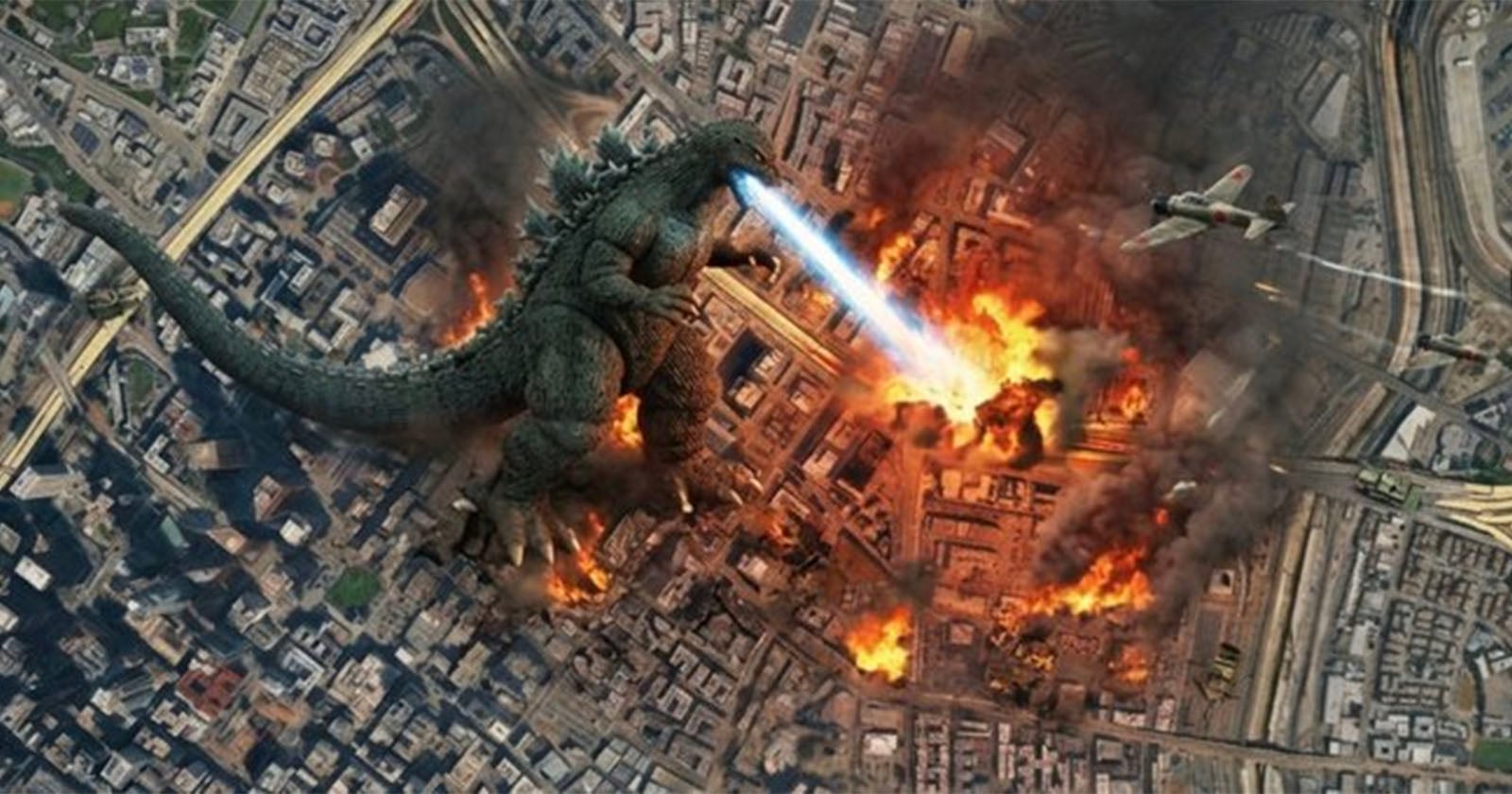
Curated Realities: Google Earth Removes AI Image Generator Feature
The virtual ink had barely dried on PetaPixel's coverage of Google Earth adding the Nano Banana AI image generator before the feature vanished. It was a swift exit, and honestly, a curious one. We admire the ambition to weave AI into a tool built for exploration, yet the execution felt rushed. The real magic lies in curating experiences that feel intentional, not gimmicky. For more on this creative tension, our piece on "Aspirational Image, Unexpected Exit: CEO Departs After AI Photo" offers a fitting parallel.
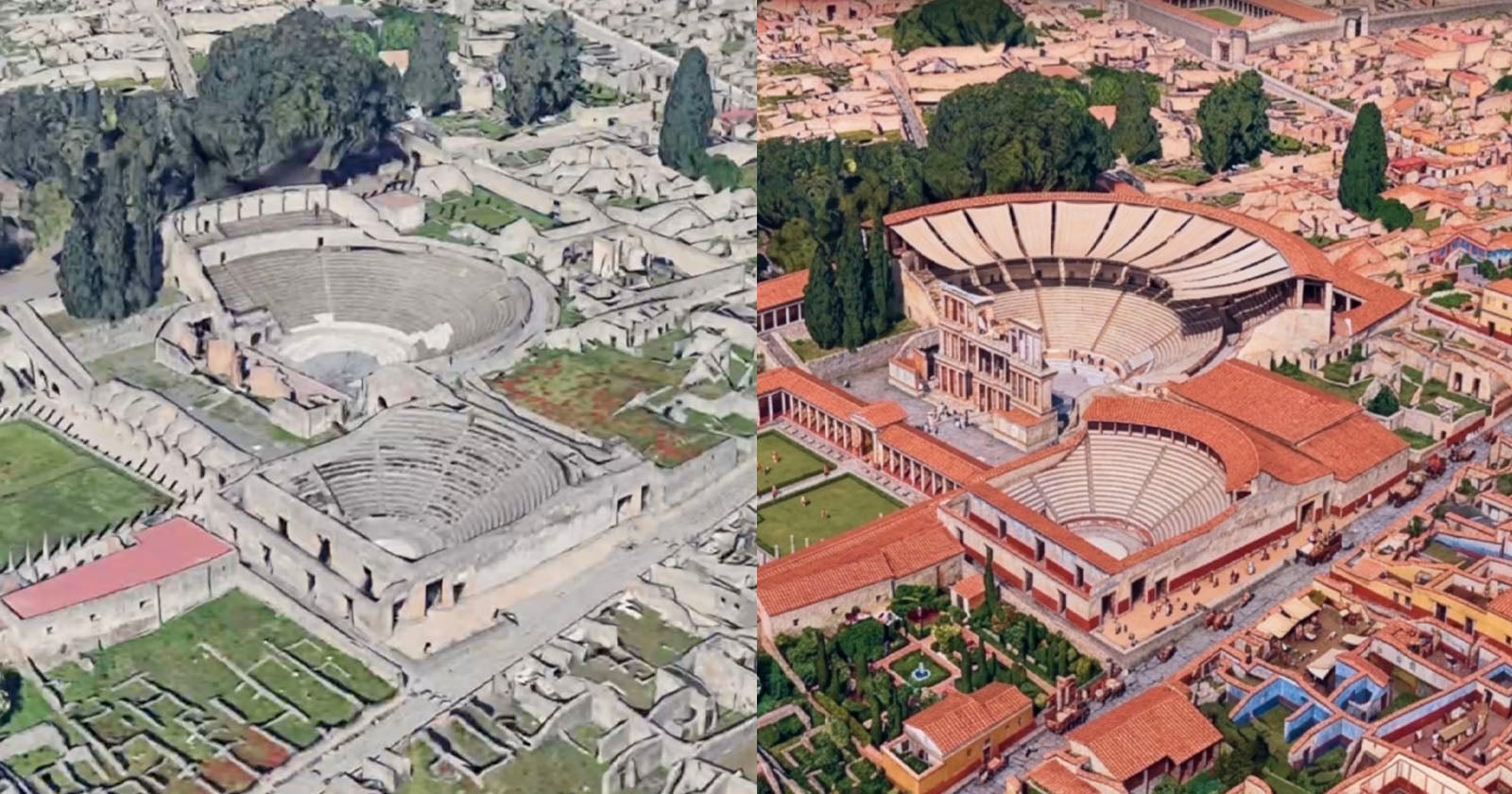
Explore Earth, Reimagined: AI Artistry Lands in Google Earth.
Google Earth just got a new kind of lens. The nano Banana AI image generator now lets you reimagine the landscape before you, shifting neighborhoods into different styles or even historical eras with a simple prompt. It is a playful, artistic twist on exploration, and we love seeing technology encourage curiosity.

A Curious Fade: Google’s “Me Meme” Feature Disappears.
It's becoming a quiet pattern: Google introduces something playful, and then lets it slip away. The "Me Meme" feature, launched just months ago, has already been shelved, leaving a curious fade that feels less like a loss and more like a shrug. We appreciate a brand that experiments, but the fleeting nature here is a bit deflating. For those who enjoy the art of the visual, our piece on Leica Lux 2.0 offers a more enduring creative spark.

AI Transparency Arrives: New EU Labels for Realistic Images
Sunday marks a quiet turning point: the EU now requires labels on AI-generated content that mimics real people or events. It's a practical step toward honesty in a visual culture growing harder to read by the day. We appreciate clarity over chaos, especially when artistry and reality blur so effortlessly. This rule invites creators to stay transparent without dulling their edge. For more on how creative tech is shifting, our piece on Adobe bringing Lightroom and Photoshop into Gemini feels like a fitting companion.
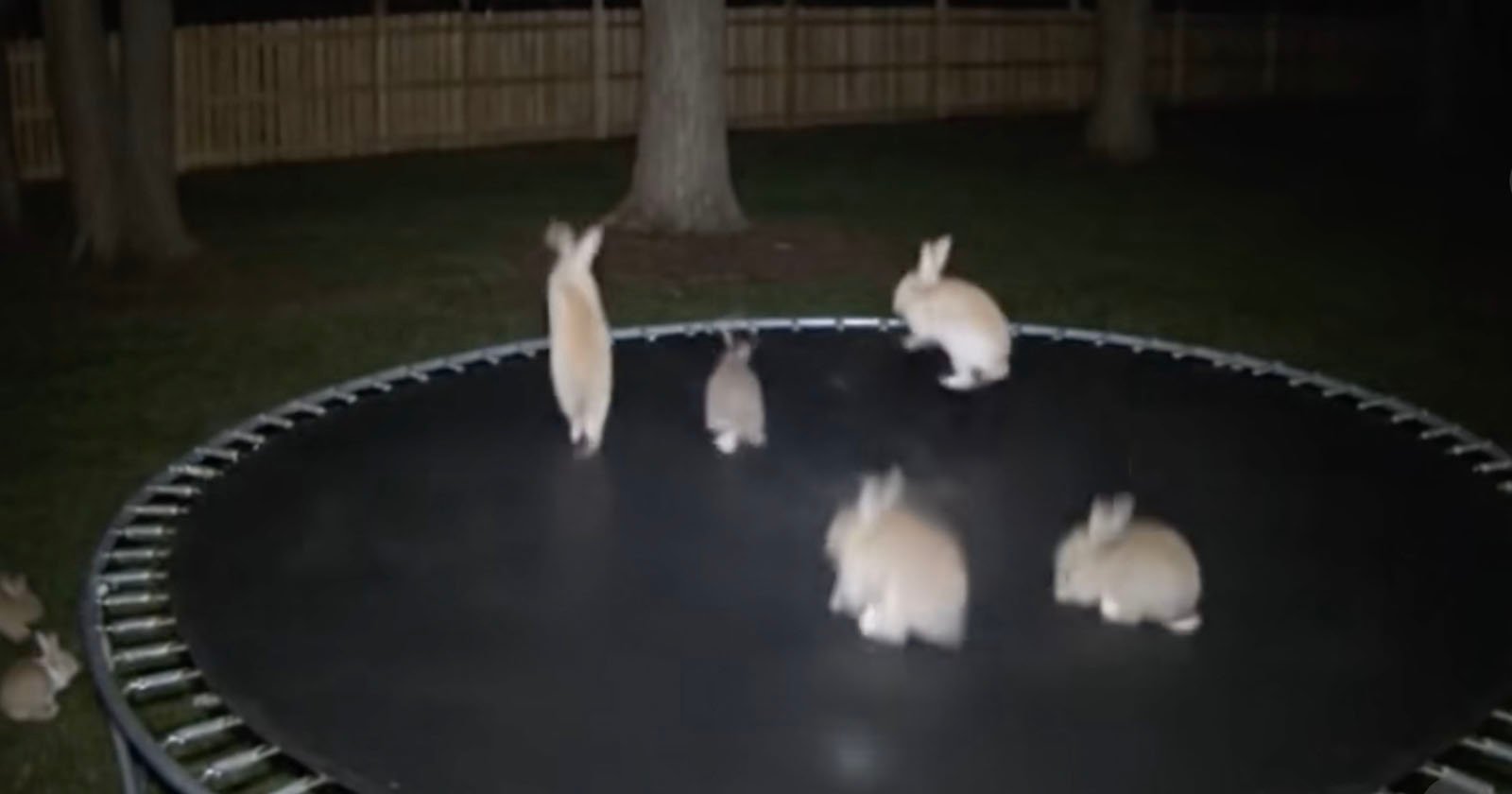
Unmasking AI Deception: New Tool Tracks Fake Videos to Their Source.
Every digital creation carries a signature, and now we can read it. Researchers have developed a tool that traces AI-generated videos back to the specific model that produced them, using unique visual fingerprints left behind by these systems. It is a quiet form of authentication in a world where seeing no longer means believing. The implications feel immediate, especially as synthetic media weaves into our daily visual culture.
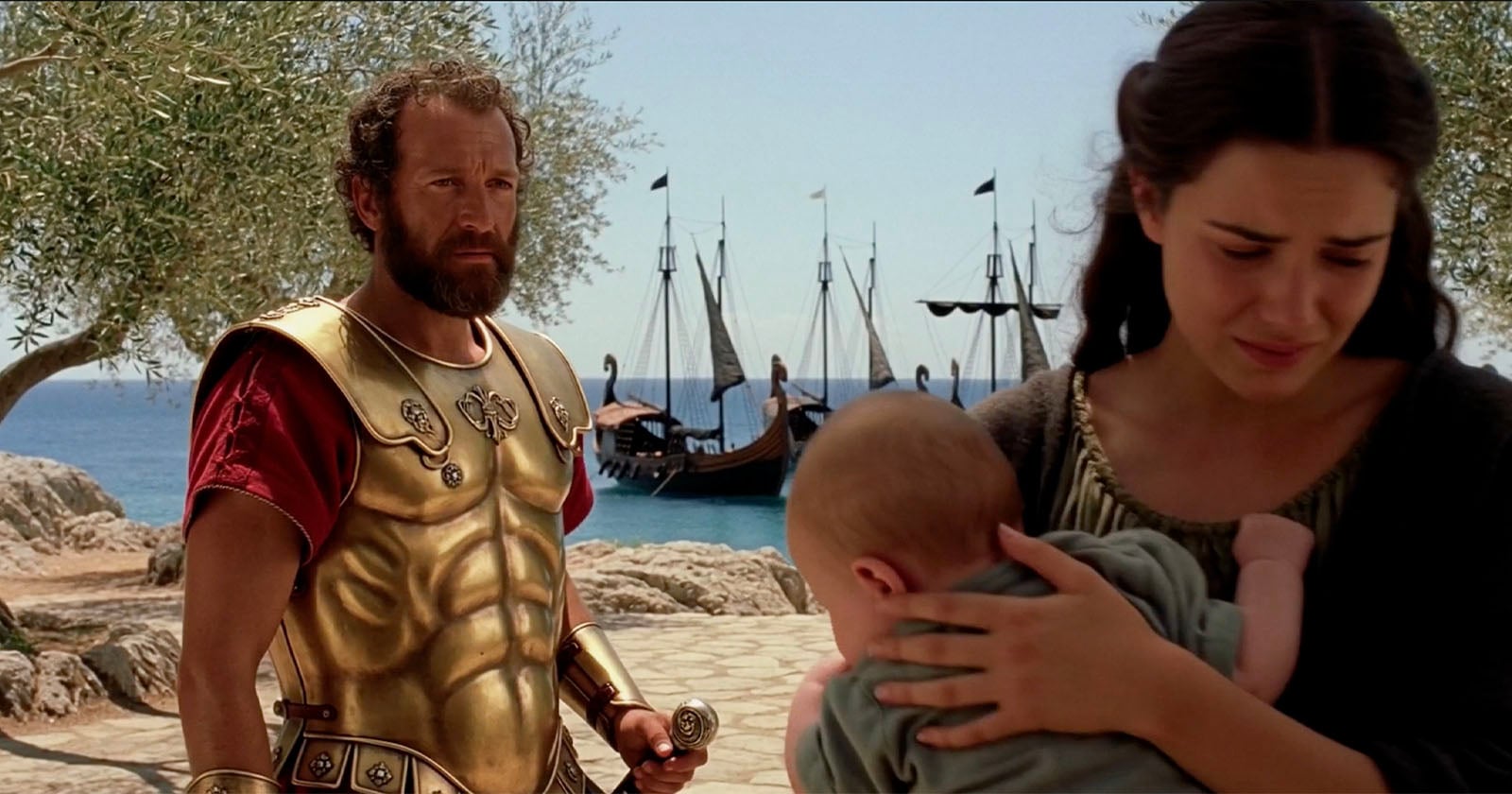
Grok AI to Reimagine Homer’s Odyssey—A Cinematic Vision Emerges
Elon Musk's announcement that Grok Imagine will reimagine Homer's *Odyssey* before year's end feels less like a tech stunt and more like a natural collision of ancient storytelling and modern tools. The epic's trials, monsters, and longing translate beautifully into cinematic imagery, and an AI with a visual voice could capture that grandeur in ways static pages never could. It's a bold, artistic gamble, one we're eager to watch unfold.
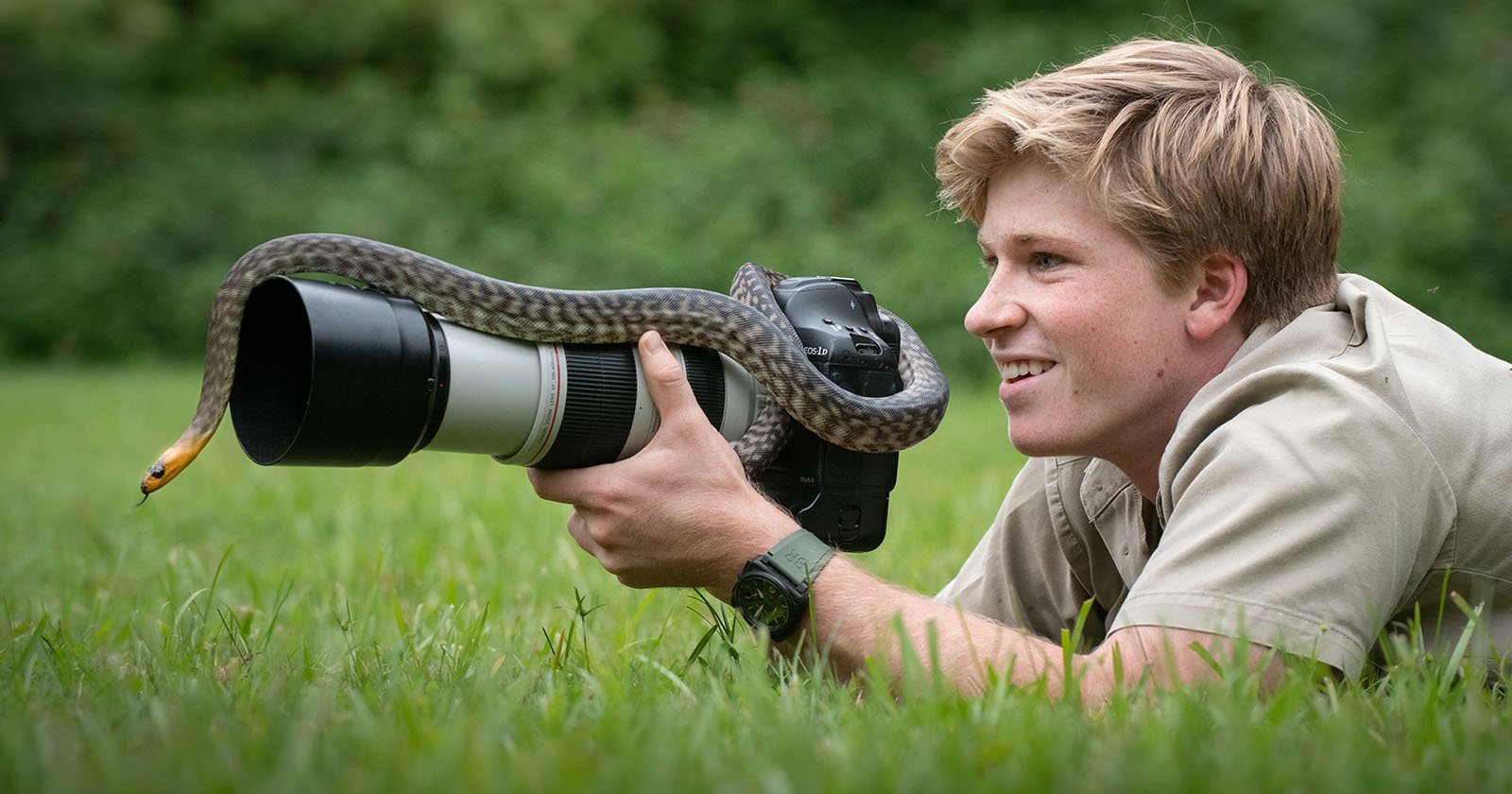
Photography's Soul: Robert Irwin on Artistry in the Age of AI
Robert Irwin has spent his life behind a camera, chasing wildlife with the same curiosity his father made famous. But when he sat down with Parade, the conversation drifted beyond shutter speeds and into something more provocative: what AI means for the soul of photography. He's not hiding from the question. Between his Dancing With the Stars run and conservation work, he's carving out space for authenticity in a world of generated images.
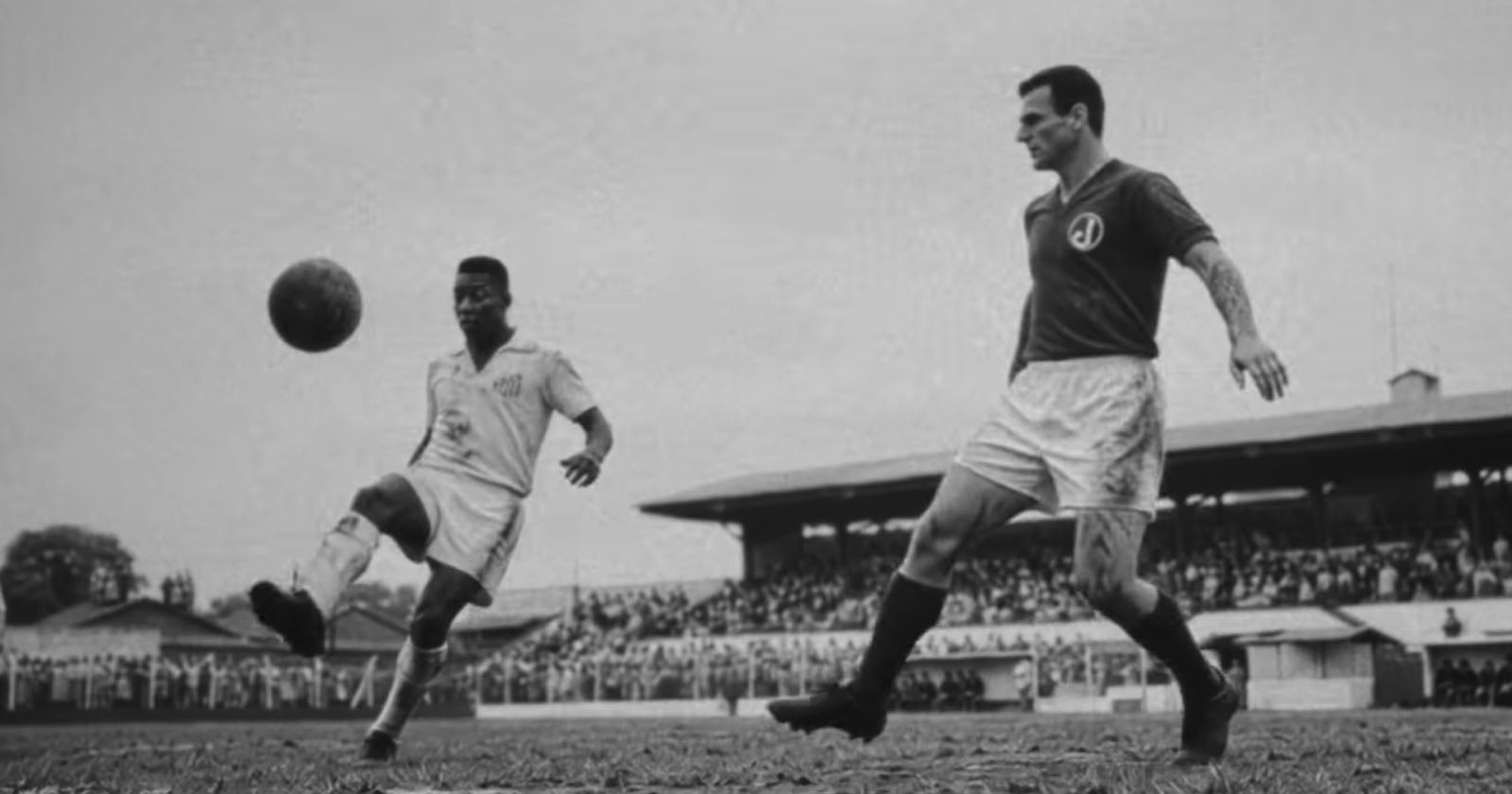
Pelé's Unseen Masterpiece: AI Brings a Legendary Goal to Life.
Pelé called it his greatest goal, yet no camera ever caught it. Now Google's DeepMind has recreated that lost strike, using AI to imagine what the world missed. There is something poetic in that: a masterpiece preserved not on film, but through the very technology that defines our era. It feels less like restoration and more like resurrection. For fans, it is a chance to finally witness a legend's truth. For the curious, it is a reminder that some stories refuse to fade.

xAI Sues Over Grok's Alleged Use in Creating Harmful Deepfakes
A man allegedly used xAI's Grok to generate child sexual abuse material, and now Musk's startup is fighting back with a lawsuit. It's a stark reminder that even the most aspirational tools can be twisted into something deeply harmful. We've seen similar creative ownership battles play out elsewhere, like in our piece on Nikon's lawsuit over the Z-mount. This isn't just legal action; it's a necessary stand for ethical boundaries in an immersive, AI-driven world.