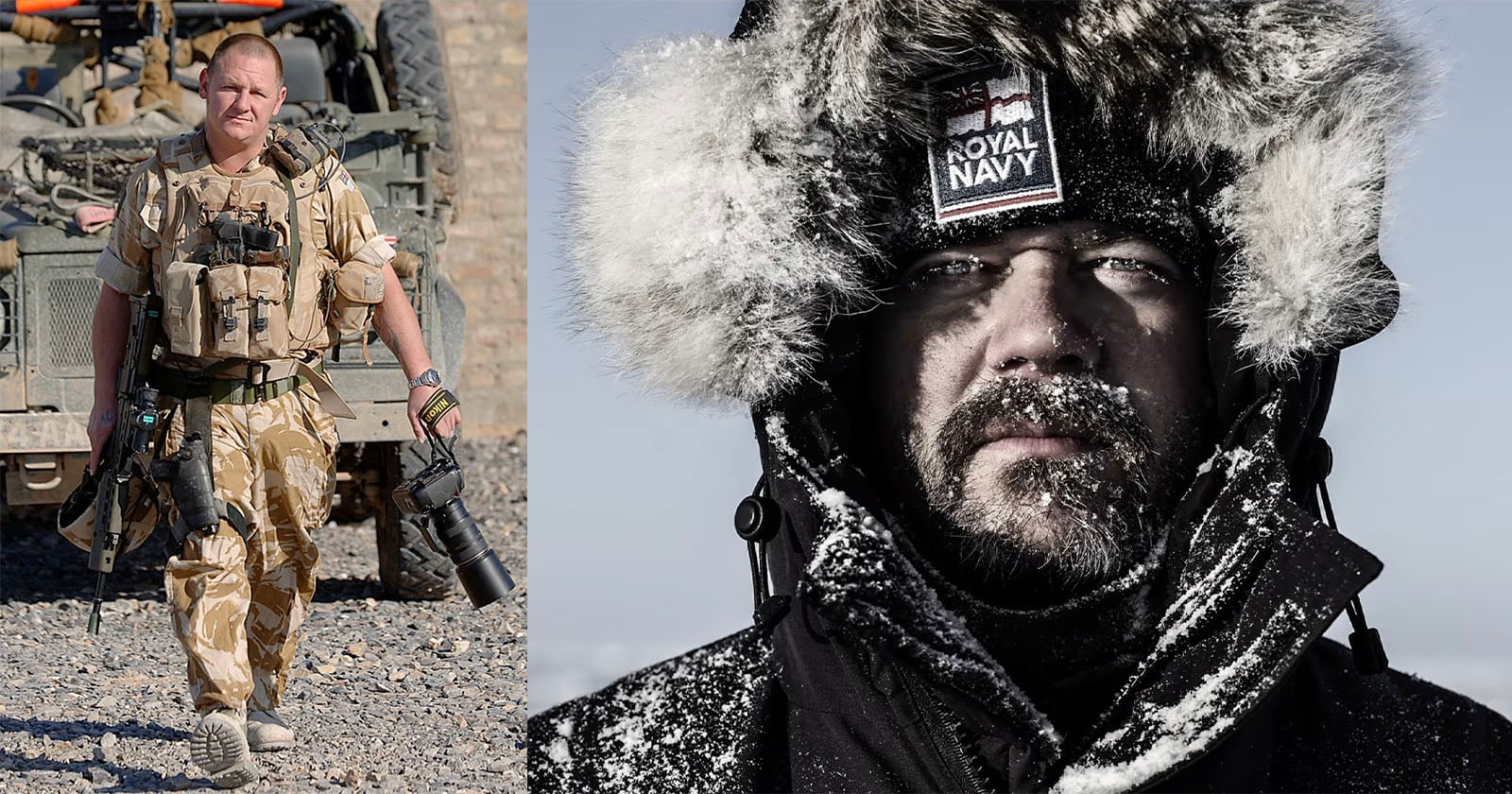
The Royal Navy's World Photography Day documentary is a quiet rebellion, and we are here for it. The service's photographers are not waxing poetic about golden hour or the romance of the sea; they are talking about the grit of the job, the weight of the camera, and the stubborn, human instinct to frame a moment exactly as it is. In an era where AI can generate a convincing image in seconds, these service members are doubling down on the unglamorous, physical craft of being present. Our take is simple: this short film is the most grounded defense of the photographic medium we have seen in years, and it offers a necessary reality check for anyone who thinks the future of imagery is purely algorithmic.
The documentary arrives at a fascinating intersection. Just as Adobe integrates Lightroom and Photoshop directly into Google's Gemini AI platform, the Navy's photographers are being asked to do the opposite: to step away from the screen and trust their eye, their timing, and their physical instincts. The contrast is stark. While Unlock Creative Power: Lightroom and Photoshop Now Within Gemini promises a frictionless creative flow, these photographers remind us that the friction is often the point. They are not anti-technology; they are pro-intentionality. They are navigating a world where the tools are becoming more automated, yet their value is rising precisely because they can make a split-second decision about exposure, composition, and narrative that an AI cannot replicate with the same stakes. This is not about nostalgia; it is about accountability. When you are documenting a live-fire exercise or a humanitarian mission, you cannot ask the machine to "fix it in post" if the moment is gone.
This position becomes even more compelling when you consider the broader conversation about privacy and control in the digital space. The recent incident where When Art Meets Oversight: ChatGPT's Private Images Were Shared Publicly highlighted the fragility of trusting our most intimate visual data to black-box systems. The Navy photographers, by contrast, operate with a strict code of ethics and a human chain of custody. Their work is not generated; it is witnessed. That distinction matters. For our readers, the takeaway is not that AI is evil or that you should abandon your editing software. It is that the human element is the differentiator. A photographer's eye is a form of judgment that cannot be outsourced. The documentary is a masterclass in that principle, showing that the best tool in the room is often the person holding the camera, not the algorithm suggesting the next prompt.
We should watch this space closely. The Royal Navy is not just preserving a skill; they are making a strategic argument that visual literacy is a defense capability. As AI-generated disinformation becomes more sophisticated, the value of a verified, human-captured image will only grow. The question is not whether AI will replace photographers, but whether the market will continue to value the authenticity that only a human can provide. For the creative professionals reading this, let the Navy's stance be a reminder: your unique perspective, your ability to build trust, and your willingness to stand in the mud with a camera are your job security. The future of photography is not in the cloud; it is in the deliberate, imperfect, and undeniably human choice to press the shutter.