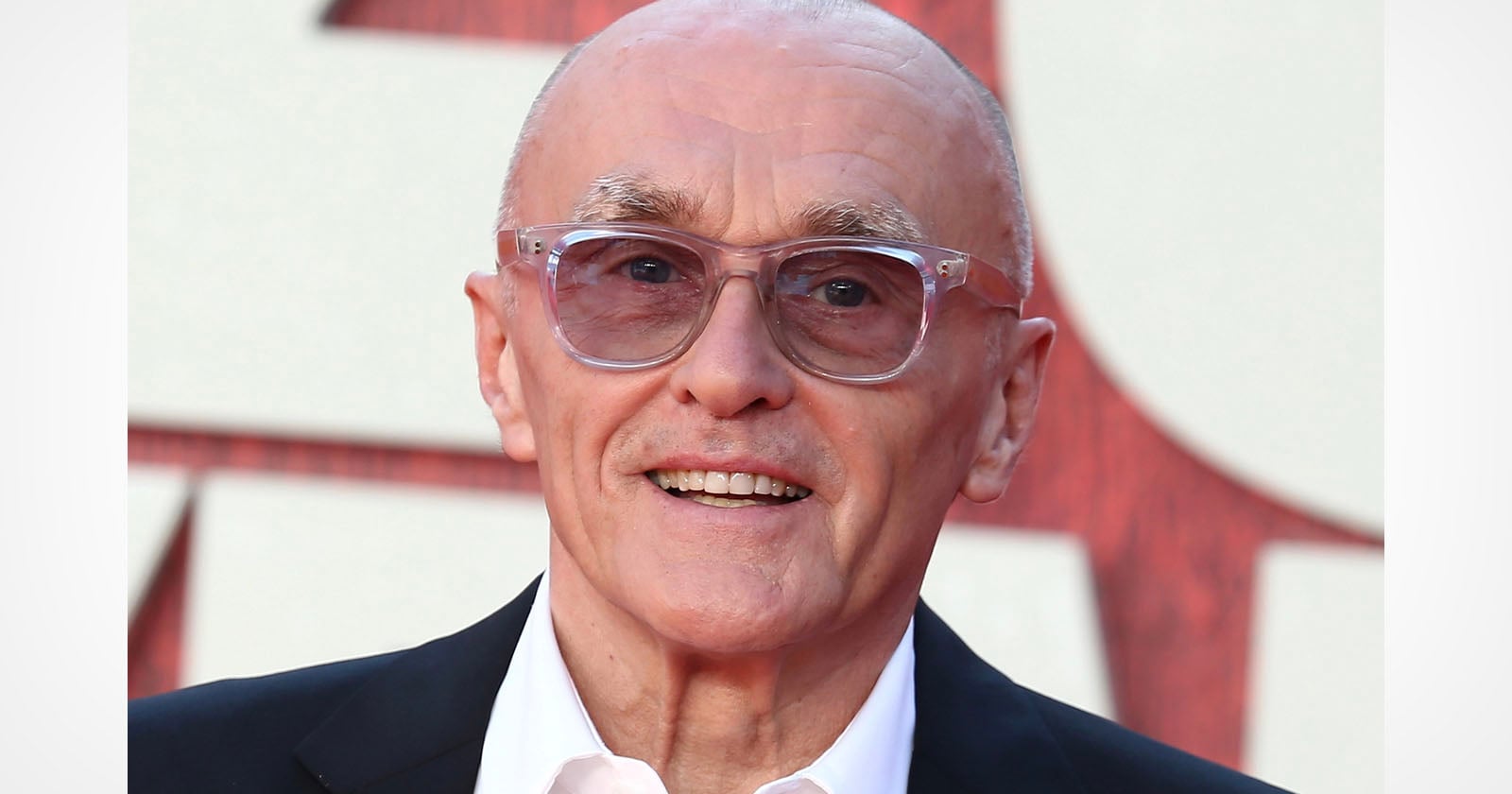
Danny Boyle has never been one to hide behind the frame, so his recent admission feels less like a confession and more like a quiet manifesto. The director of *Trainspotting* and *Slumdog Millionaire* has confirmed he used generative AI to animate photographs in his latest film, *Ink*. That alone is newsworthy. What makes it interesting is the restraint. Boyle isn't selling AI as a gimmick or a threat. He's treating it as another brush, another lens, another tool in the service of story. In a moment when many artists are either silent or shouting about their use of machine learning, his candor is a welcome breath of honesty.
This lands in a curious cultural moment. Just last week, our own coverage highlighted how Adobe has announced that it is bringing its software and tools directly inside Google's Gemini AI platform, making these capabilities more accessible to working photographers and editors. And we've seen the flip side of the coin too, where an CEO departed after an AI photo went sideways, reminding us that authenticity is still the currency of trust. Boyle's approach sits somewhere between these poles: he's not hiding the technology, nor is he letting it define the work. He's using it with intention, which is precisely what separates art from automation.
For our readers, there's a practical lesson here that goes beyond film sets and red carpets. The tools are no longer coming; they are here. Whether you're retouching portraits, building mood boards, or experimenting with motion in stills, the question is not whether to engage with AI, but how. Boyle's example suggests that the most compelling use of generative tools isn't to replace human vision, but to extend it. He animated photographs, not to fake reality, but to give memory a sense of movement. That's a creative choice, not a technical one. And it's a choice available to anyone willing to experiment with the same tools now living inside platforms like Lightroom and Photoshop.
What we would tell a reader who asks us about this is simple: don't be afraid to look odd. Boyle's admission is bold precisely because it's honest. He knows some will judge him for it. But he also knows that the audience's trust is built on transparency, not on pretending the machine never touched the image. The moment we pretend otherwise is the moment we lose the thread of our own craft. So, watch *Ink* when it arrives. But more importantly, watch how Boyle's peers respond. The real story isn't just that a famous director used AI. It's whether other artists will follow his lead, not by copying him, but by finding their own honest integration of the technology. That's the detail worth tracking.