Cameraman Slammed For Stepping Onto the Field and Causing Injury to Player
Our take
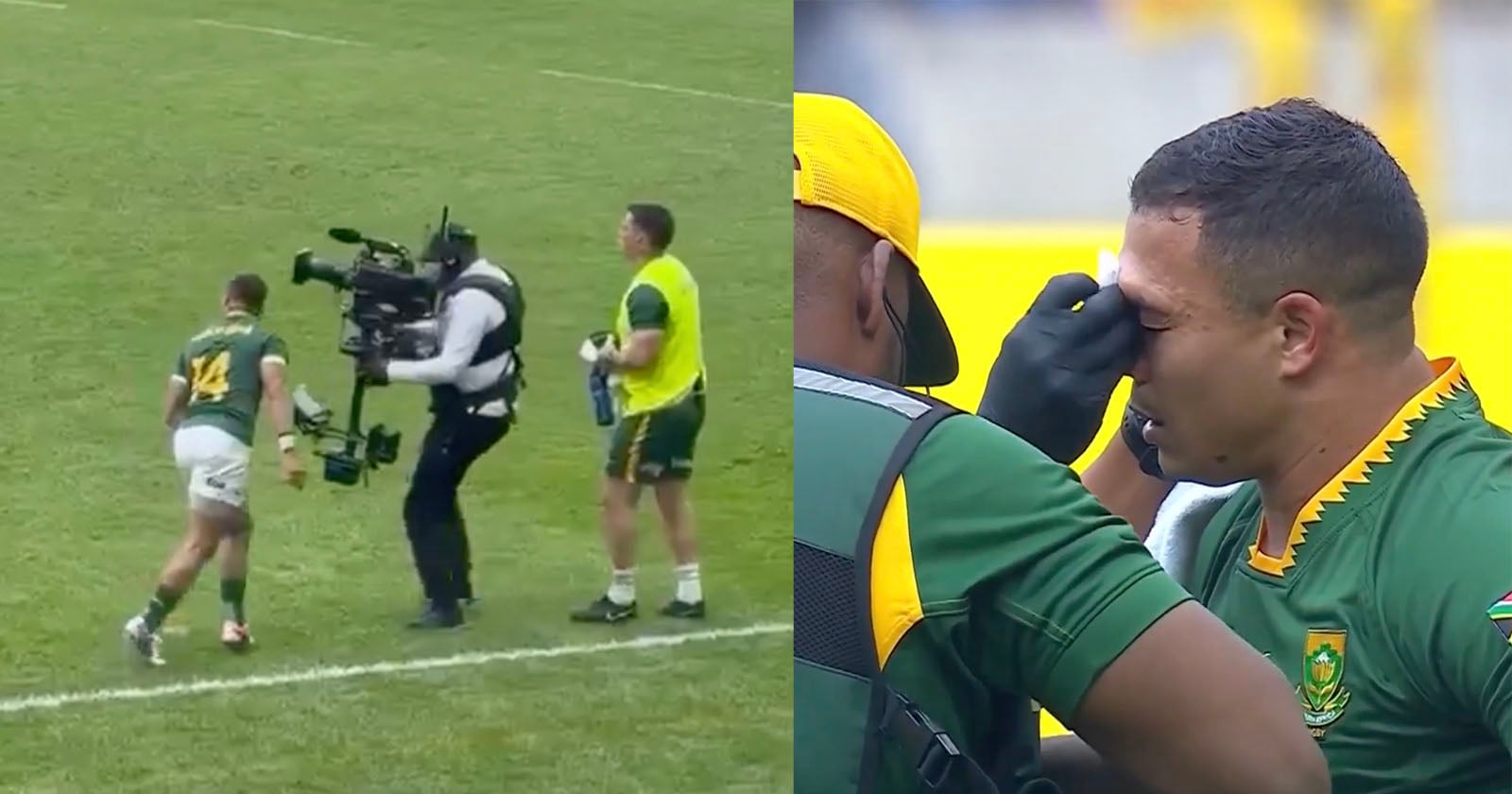
The recent incident involving a cameraman and a South African rugby player has ignited a debate about the balance between dynamic sports coverage and player safety, a conversation that resonates deeply within the visual storytelling community. While the pursuit of captivating imagery is intrinsic to our craft, this situation serves as a stark reminder of the potential consequences when that pursuit compromises the well-being of athletes. It's a moment to reflect on protocols, training, and the ethical considerations inherent in capturing action, particularly in high-impact sports. The incident highlights a broader tension within the industry - the demand for increasingly intimate, ‘in-the-action’ shots versus the imperative to maintain a safe perimeter. This is further complicated by the rise of handheld camera technology, allowing for greater mobility but also potentially increasing the risk of accidental intrusion. Related to our work and the tech that supports it, the advancements in remote camera operation, as seen in Capture One Adds Real-Time Multi-User Sessions for Studio Pros, could offer a safer alternative for certain scenarios, allowing operators to maintain distance while still capturing compelling footage. The implications extend beyond sports, prompting a re-evaluation of safety measures across all forms of live event coverage.
The immediate reaction to the incident – the swift condemnation and calls for stricter regulations – underscores the public’s growing awareness of athlete safety. It's easy to focus on the cameraman's actions, but a more nuanced perspective requires considering the pressures faced by sports videographers. They are tasked with delivering impactful footage within tight deadlines, often navigating chaotic environments. However, this doesn’t excuse a breach of safety protocols. This situation also calls into question the training and oversight provided to camera operators working at sporting events. Are they adequately briefed on field boundaries and potential hazards? Are there clear protocols for reacting to dynamic situations? The incident is particularly ironic given the ongoing innovations in lens technology aimed at expanding creative possibilities. The recent release of the Leica 50mm f/1.4 for L-Mount Is the Most Compact on the Market demonstrates the industry's commitment to pushing the boundaries of image quality and versatility, but these advancements must be coupled with a renewed focus on responsible operation. The elegance and precision of such lenses demand a corresponding level of responsibility in their application.
Beyond the immediate repercussions for the cameraman and the rugby player, this incident could trigger a broader shift in how sporting events are filmed. Expect to see increased scrutiny of camera placement, stricter enforcement of safety zones, and potentially a greater reliance on remote camera systems and drones to minimize human presence on the field. Furthermore, leagues and broadcasters may revisit contracts with camera crews, incorporating specific clauses relating to safety protocols and liability. The incident serves as a cautionary tale for the entire industry, emphasizing the need for a proactive approach to risk management. It’s a reinforcement of the principle that compelling storytelling shouldn’t come at the expense of athlete well-being. The resurgence of classic lens designs, like the Leica 100mm f/2.8 Is a Modern Revival of an R-Mount Lens From 1987, highlights a return to fundamental optical principles – a reminder that sometimes, the best approach is rooted in established practices and a deep understanding of the craft.
Ultimately, this incident compels us to reconsider the ethical framework guiding our visual storytelling. As creators, we have a responsibility to not only capture the drama and excitement of sporting events, but also to ensure the safety and well-being of the participants. The question now is, how can we foster a culture of safety within the industry, one that prioritizes responsible practices without sacrificing the dynamism and artistry that defines our craft? Will we see a tangible shift toward more stringent regulations, or will the industry self-regulate, guided by a renewed commitment to ethical conduct and a deeper appreciation for the inherent risks involved in capturing the action?
A cameraman is receiving criticism after he injured a South African rugby player during a game last weekend.
Read on the original site
Open the publisher's page for the full experience