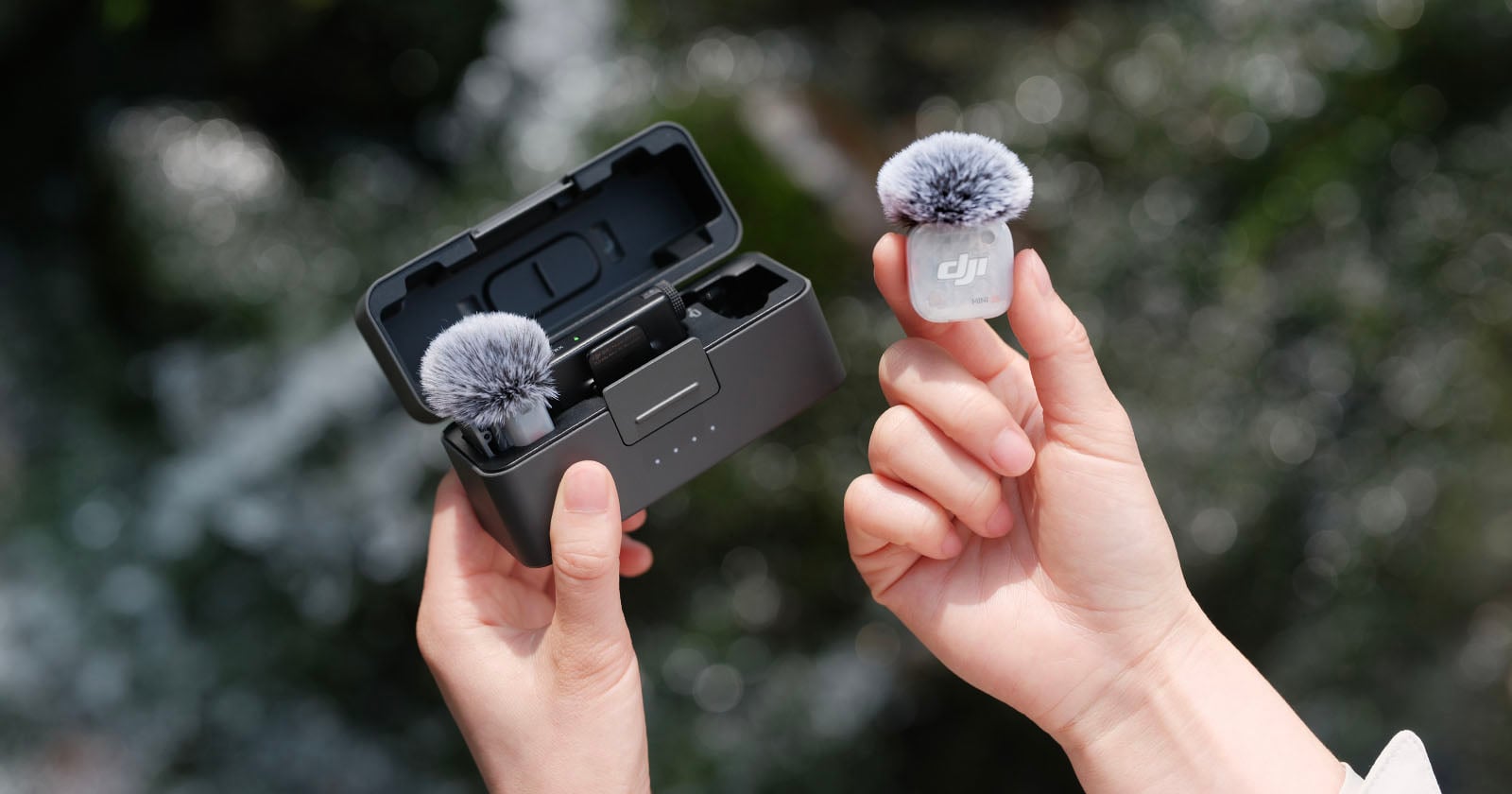
The quiet evolution of audio gear rarely makes headlines, but DJI's latest move deserves a pause. The Mic Mini 2S takes the company's smallest lavalier system and adds something creators have been whispering about for years: internal 32-bit float recording on each transmitter. It is not a flashy feature, and that is exactly why it matters. We have seen the brand push boundaries elsewhere, like with the Capture Every Angle: DJI's Osmo 360 II Redefines 360° Video, but this update feels less about spectacle and more about trust. The kind of trust that lets you hit record without checking levels, without second-guessing, and without losing a take to a clipped word or a distant voice.
For our readers, this is not just a spec sheet upgrade. It is a safety net woven into a device you already wear on your collar. The 32-bit float format means the dynamic range is wide enough to capture a whisper and a shout in the same breath, and with internal recording, the transmitter becomes its own backup. If the wireless link stumbles, the audio is still there, safe on the device. That is the kind of practical reassurance that separates a tool from a toy. We would tell anyone juggling interviews, events, or spontaneous content to stop thinking of this as a microphone and start thinking of it as insurance. The Mic Mini 2S does not ask you to change your workflow; it just quietly removes the fear of failure.
There is a broader conversation here about how we capture moments in a world increasingly aware of surveillance and privacy. As Norway considers banning secret-recording glasses, as reported in Privacy in Focus: Norway Considers Ban on Secret-Recording Glasses, the line between intentional capture and passive observation keeps shifting. A tiny microphone with internal storage could be used responsibly or not, but the technology itself is neutral. What stands out is how DJI is betting on the creator who wants control without complexity. The Osmo 360 II redefines how we see the world in 360 degrees, but the Mic Mini 2S refines how we hear it in mono, and that difference is worth noting. It is not about the biggest sensor or the sharpest lens; it is about the quiet confidence of knowing your audio is locked in.
The practical takeaway is simple: if you have ever lost a great interview to a dropped signal or a hot input, this is your answer. The internal recording is not a gimmick; it is a standard feature that should have existed sooner. We would tell a reader considering this to look at their current setup and ask whether they trust it with their best takes. The Mic Mini 2S earns that trust by design, not by promise. The question is not whether you need it, but whether you can afford another near-miss. That is the detail to watch: not the specs, but the peace of mind they buy.