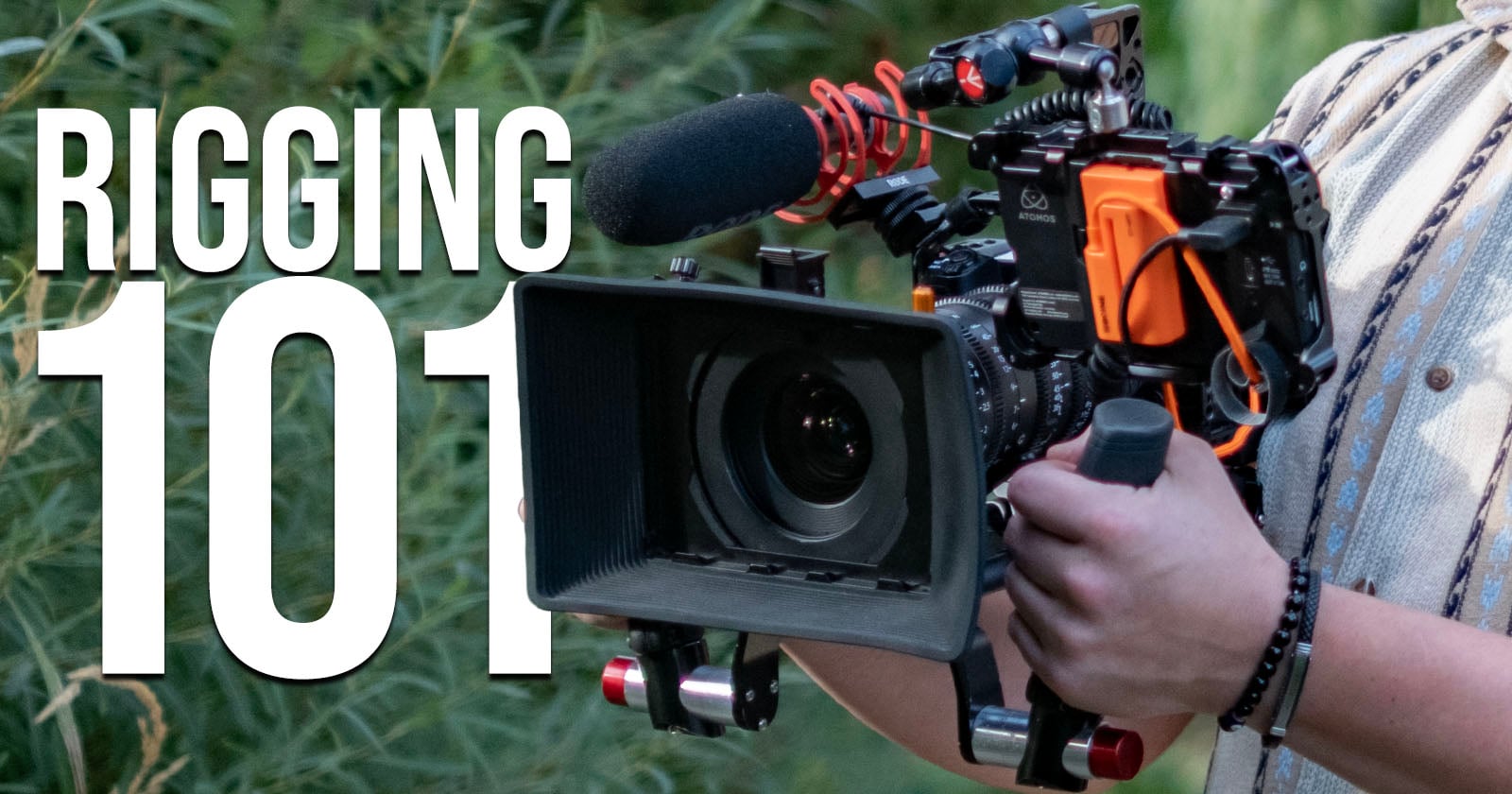
There is something quietly radical about treating a camera rig not as a piece of heavy industrial equipment, but as a nimble artistic tool. This past week, the article's subject, a documentary filmmaker, pulled out their travel kit and began testing configurations with a single, clear goal: make the rig as versatile and responsive as possible without sacrificing the gadgets they rely on. That discipline, the willingness to strip away and rebuild, is what separates a curated kit from a mere collection of gear. It echoes a sentiment we explored in Curated Camera Kits to Begin or Elevate Your Visual Journey, where the emphasis was on building a kit that reflects the photographer you want to become. Here, the process is not about starting fresh, but about refining what already exists, a more advanced, and arguably more honest, creative challenge.
What strikes us most is the underlying philosophy: speed and lightness do not have to mean compromise. The filmmaker is not chasing minimalism for its own sake; they are chasing a specific kind of flow. When every gram and every attachment point is questioned, the resulting rig becomes an extension of the body and the eye. This is practical artistry. For our readers, whether you are a seasoned documentary shooter or a creative enthusiast building your first travel setup, the lesson is immediate: test your kit the way you test your stamina. Pull it out, walk with it, shoot with it, and ask what you actually used. That honest audit will tell you more than any spec sheet ever could.
There is also a quiet contrast worth noting between this deliberate, hands-on process and the chaos reported in Hamptons Fashion Event Disrupted by Camera Gear Theft. In one case, gear is carefully chosen and carried with intention; in the other, it is snatched away in seconds. It is a reminder that the relationship we build with our equipment, how we handle it, how we trust it, matters as much as the equipment itself. A rig that is nimble is also one you can keep close, and that proximity breeds both safety and instinct.
The concrete takeaway here is simple: before your next project, spend an afternoon doing nothing but rebuilding your rig from scratch. Remove everything. Add only what you used on your last shoot. If a piece of gear did not earn its place in the field, leave it in the bag. That single act of curation will make your next documentary, your next travel shoot, your next creative moment feel less like a technical exercise and more like a conversation. The question worth asking yourself is not "What can I carry?" but "What will I actually use?"