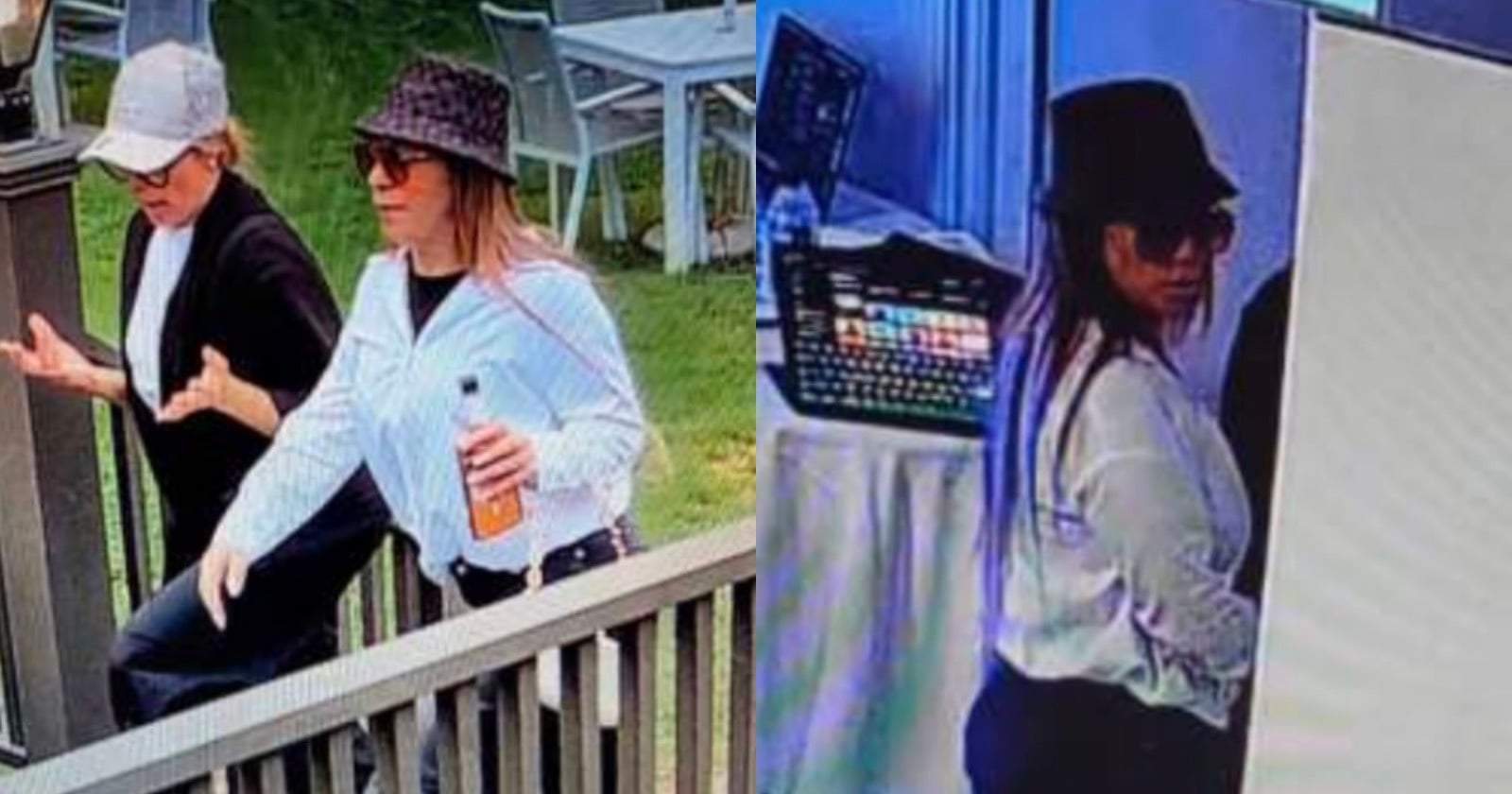
The recent theft of $10,000 worth of professional camera gear from a Hamptons fashion event, while seemingly a localized incident, underscores a growing vulnerability within the creative industries—a space our audience deeply appreciates. The brazenness of the act, targeting an event synonymous with curated style and aspirational living, highlights a shift in the risk landscape for photographers and visual content creators. We’ve seen similar concerns emerge elsewhere; for example, [Beyond the Frame: Protecting Young Explorers in an Age of Viral Discovery] details the increasing risks faced by young photographers venturing into potentially dangerous situations for content creation, a parallel illustrating the broader trend of heightened vulnerability. This Hamptons incident, however, feels particularly pointed, suggesting a deliberate targeting of valuable equipment within a high-profile setting, perhaps fueled by the knowledge that such gear commands a premium on the secondary market. It also prompts a reconsideration of security protocols at events that rely heavily on visual documentation, not just for marketing purposes but for establishing and maintaining a particular aesthetic.
The incident’s timing is also noteworthy, occurring as the industry grapples with the evolving dynamics of content creation and monetization. The rise of accessible, high-quality smartphone cameras has democratized photography to an extent, but it hasn't diminished the demand for professional-grade equipment and the expertise of skilled photographers. Professionals invest heavily in their tools, and the loss of such a significant amount of gear represents a substantial financial setback, potentially impacting their ability to continue working. Moreover, the theft exposes a broader issue: the increasing value placed on visual content and the corresponding incentive for theft. The sheer volume of images and videos generated daily – a phenomenon explored in [A Late Photographer’s Archive of One Million Images Has Connected Him to Seven Missing Women], which illustrates the profound and sometimes unsettling implications of photographic records – demonstrates the cultural significance of visual storytelling and, by extension, the value of the tools used to create it. This incident serves as a stark reminder that this value also attracts unwanted attention.
Beyond the immediate financial impact, this theft raises questions about the security measures in place at high-end events and the responsibility of organizers to protect the assets of their creative partners. While security is always a concern, the Hamptons’ reputation for exclusivity and wealth might have inadvertently created a false sense of security. The incident also highlights the need for photographers to be proactive in safeguarding their equipment, considering measures like insurance, discreet transport, and secure storage. The cost of such precautions, however, adds another layer of financial burden for professionals already navigating a competitive landscape. The article [Best Concert Photography Lenses for Shooting in Low Light] touches on the technical investment photographers make, but doesn't address the security concerns inherent in transporting and protecting such equipment, a critical omission given recent events.
Ultimately, the theft in the Hamptons is more than just a crime; it’s a symptom of a broader shift in the creative ecosystem. As the demand for visual content continues to surge and the value of professional equipment increases, the risk of theft and security breaches will likely escalate. The question now is, how will the industry adapt? Will event organizers implement more robust security protocols? Will photographers adopt more stringent protective measures? Or will we see a rise in specialized insurance products and security services catering to the unique needs of visual content creators? The answer likely lies in a combination of all three, demanding a more vigilant and proactive approach to safeguarding the tools and the artistry that shape our visual world.