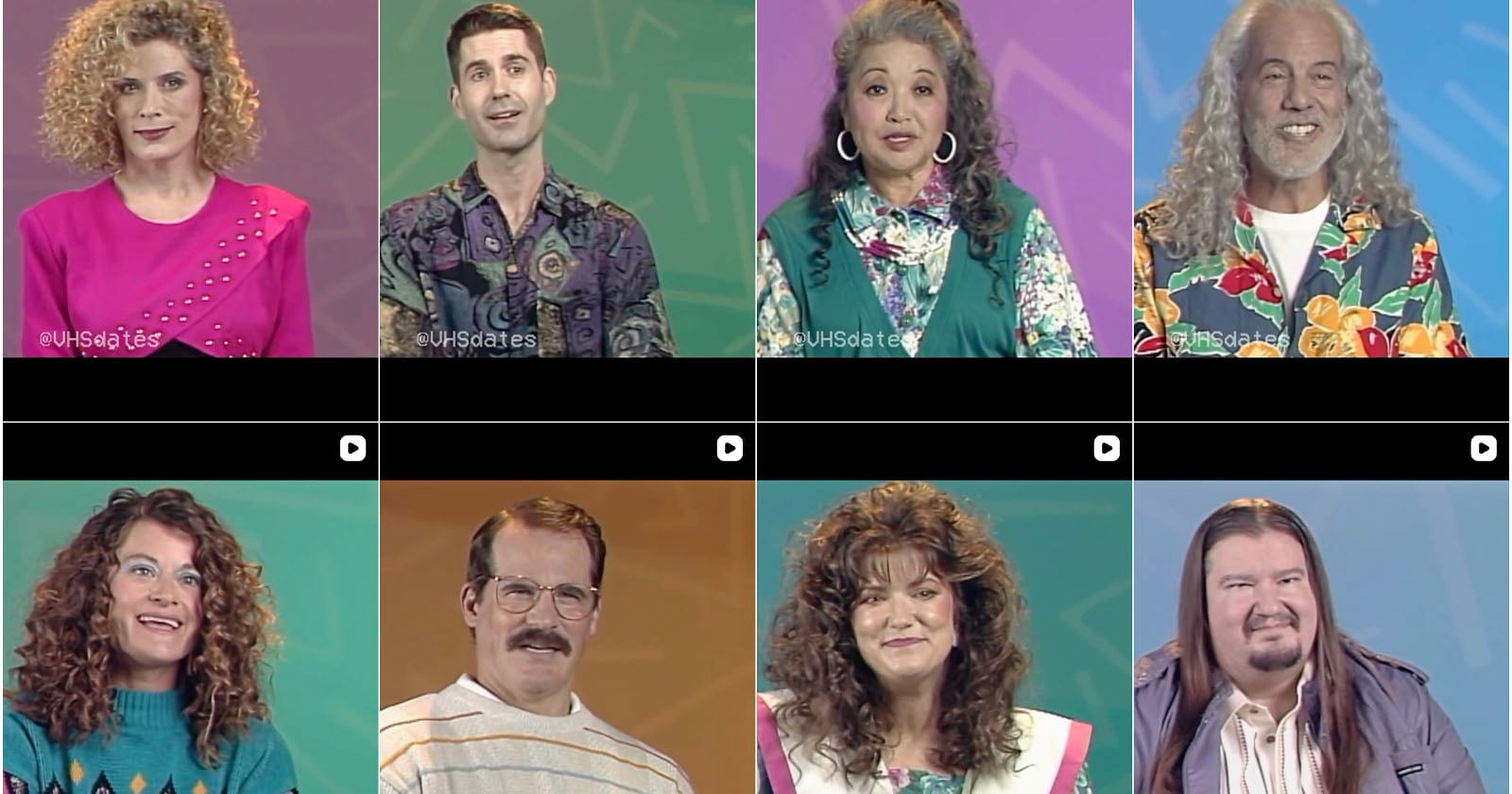
The VHS Dates Instagram account promised something rare: a grainy, time-capsule glimpse into the 1980s and 1990s, where hopeful singles introduced themselves to a camera, their nervous smiles preserved on magnetic tape. It felt authentic, curated in the best sense, a window into a pre-digital world that fit our collective nostalgia perfectly. So when a New York Times reporter flew to Los Angeles to meet the masterminds, only to discover the entire operation was staged with actors, the reveal wasn't just a letdown; it was a quiet gut punch. This wasn't a clever marketing stunt for a film or a nostalgic art project; it was a fabricated narrative designed to sell us a feeling.
In a way, this feels like a dark mirror to the very content we celebrate. We often write about the art of the Curate Your Aesthetic: Seamlessly Integrate Tagged Posts to Your Grid, encouraging you to build a cohesive, beautiful feed that tells a story. But this VHS hoax reveals the line between curation and fabrication. We curate to express ourselves, to frame our reality, but when the entire premise is a lie, it stops being a creative choice and becomes a deception. It's the difference between a photographer capturing the raw energy of a crowd in transition, as seen in Echoes of Eras Past: Capturing Crowds on the Brink of Change, and someone staging that crowd entirely for the camera. The former is art; the latter is a con.
Our honest take is this: the audience isn't naive for believing it; the creators were cynical for exploiting that belief. We all crave a tangible connection to a simpler time, and the account tapped into that desire with a knowing wink. But the practical lesson for our readers, who value authenticity in their own lives, is to ask: what is the source of the story you're being told? If an account or a brand is selling you a memory, a mood, or a lifestyle, is it born from a genuine place, or is it a performance? We would tell anyone who asks that the "viral" nature of these things is often the first red flag. The most immersive experiences don't need to announce their own authenticity; they let the details speak for themselves. Here, the details were just a well-crafted screenplay.
The real issue isn't that someone created art using actors; it's that they framed it as a documentary, a piece of history. It's a betrayal of the form. For our readers, the takeaway is sharp: treat every "found footage" or "vintage archive" with a healthy dose of curiosity, not cynicism, but a desire to verify. The question that lingers isn't just about this one account, but about the next one. How many of these beautifully curated, nostalgic feeds are built on a foundation of performance? The moment we stop asking, we risk losing the genuine beauty of the past to a stage-managed imitation. The next time you see a face staring out from a VHS frame, ask yourself if you're looking at a memory or a prop.