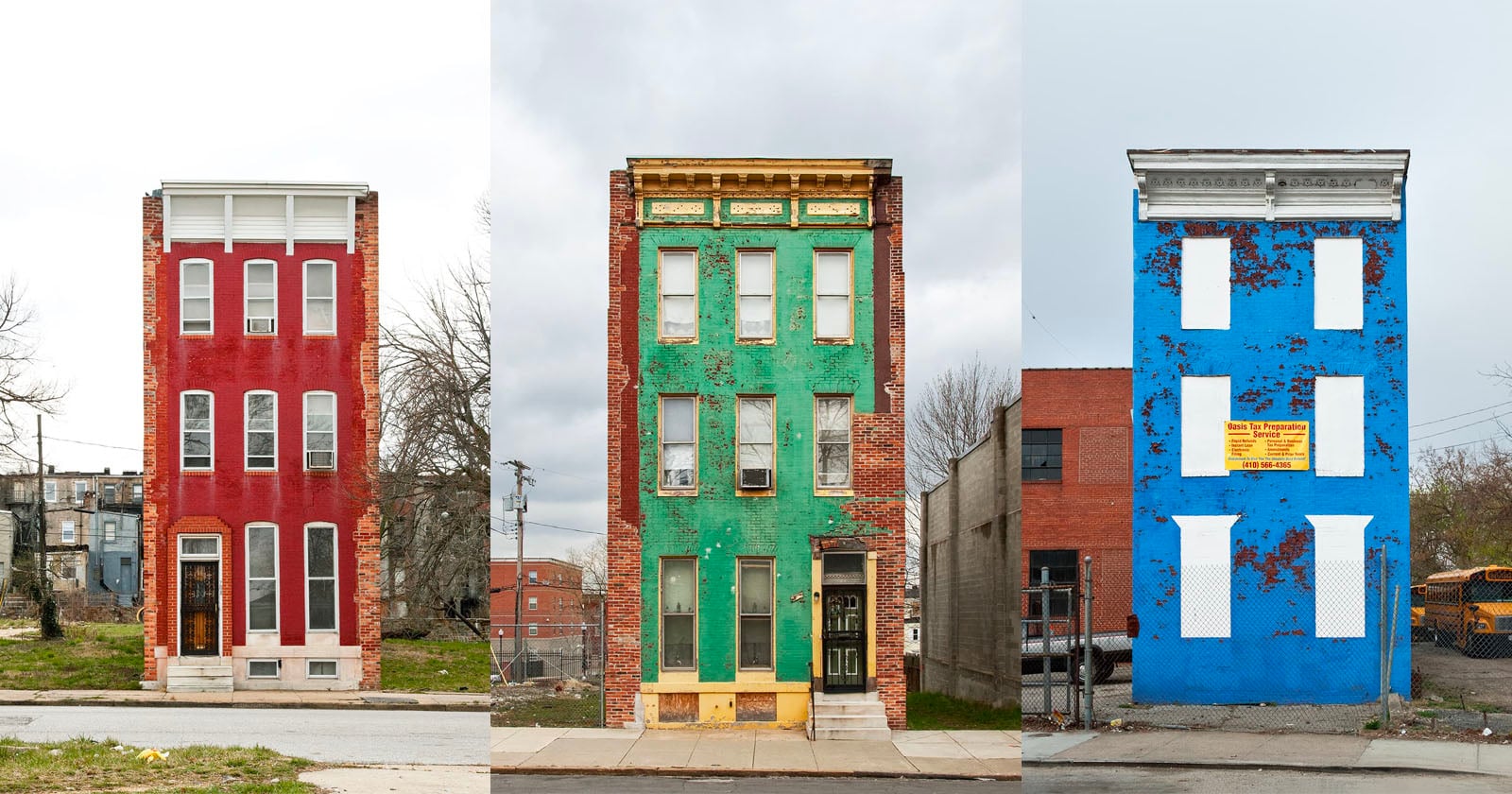
There is something quietly radical about spending sixteen years documenting what most people drive past without a second glance. The photographer in this story has been capturing abandoned homes in Baltimore and its outskirts, navigating ticks, copperheads, and the kind of solitude that comes with spaces others have fled. This is not a project about decay for shock value. It is a sustained act of attention, a refusal to look away from what a city has left behind. It reminds us that the most compelling art often emerges from the places we have collectively decided to forget. For readers who appreciate how The Unspoken Dialogue Between Lens and Loom in Ancient Silk elevates a fragile, disappearing craft, this photographer's work offers a parallel meditation: what happens when we treat abandonment not as an ending, but as a subject worthy of the same reverence as a silk thread?
The practical takeaway here is not about buying a camera and hunting for ruins. It is about the discipline of showing up. Sixteen years is not a project timeline; it is a life rhythm. The photographer dodged hunters and drug dealers, not for a single dramatic shot, but for the slow accumulation of a visual archive that no one else was building. That kind of commitment carries a lesson for anyone working in a creative or health-focused field: consistency, not spectacle, is what yields depth. Our readers, who balance artistic sensibility with an active lifestyle, understand that transformation, whether in fitness, fashion, or photography, rarely happens in a single frame. It happens in the repetition of showing up, season after season, even when the conditions are uncomfortable.
What strikes us most is the tension between beauty and danger in this work. The row houses painted red, green, and blue stand in the article's image like a defiant still life, yet the photographer moved through spaces where the risks were real. This is not urban exploration for Instagram clout. It is a documentary practice that demands physical resilience and a steady eye. Compare this to the spontaneous joy found in Finding Joy on the Streets, One Frame After Fashion, where street photography captures the vitality of people in motion. Here, the human element is absence. The homes are holdouts, as the photographer calls them, structures that remain long after their inhabitants have moved on. Both approaches teach us something about framing a life: one finds energy in the crowd, the other finds meaning in the quiet aftermath.
If a reader asked us whether this story is simply depressing, we would say no. It is clarifying. The photographer's work forces a question that applies far beyond Baltimore: what are we willing to look at that no one else will? For the creative, that might be an unfashionable subject. For the health-conscious, it might be an uncomfortable truth about rest or recovery. The specific consequence to watch is whether this archive, built over nearly two decades, eventually shifts how the city itself remembers these spaces. That is the quiet power of sustained documentation, it does not just record reality; it can reshape what we consider worth preserving.