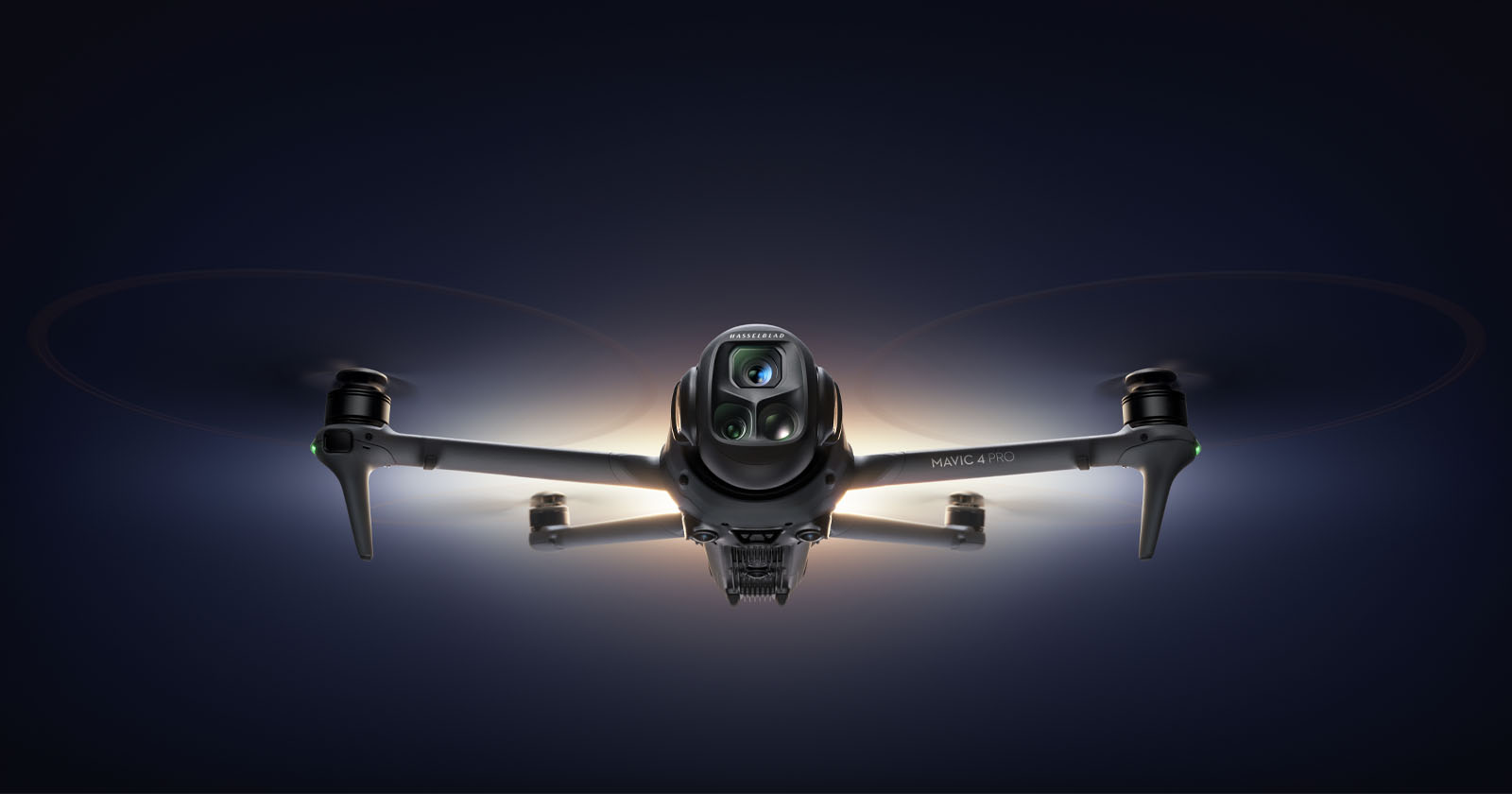
There is a particular kind of beauty in watching a well-intentioned idea meet the messy, stubborn reality of the people it was meant to serve. The FCC's proposal to ban the import and sale of certain foreign-made drones, justified on the hazy grounds of "national security," has collided with that reality in spectacular fashion. Of the 3,824 public comments filed before the window closed, a staggering 98.6% oppose the rule as written. That is not a polite murmur of dissent; it is a thunderclap of consensus from the very community that would feel the ban's weight most acutely.
For our readers, who move fluidly between the worlds of visual storytelling and high-performance gear, this is not an abstract regulatory skirmish. It is a direct challenge to the tools that make authentic, elevated content possible. The drone has become the eye in the sky for the modern creator, offering that immersive perspective that separates a standard capture from a curated visual narrative. When you look at the broader arc of how technology is reshaping our creative lives, consider the recent Immersive Cinema Arrives: Meta’s VR Glasses Earn IMAX Certification or the way the Nikon Z5 II C: A Curated Camera for Authentic Street Moments is designed for the purist. We are living in an era where gear is judged by its ability to capture a feeling, not just a scene. A blanket ban that ignores the nuance of how these tools are used feels less like a security measure and more like a blunt instrument swinging through a gallery.
Our take is simple: the overwhelming opposition is not a rejection of national security. It is a rejection of a rule that fails to distinguish between a military-grade threat and a creative instrument. The public sees through the vague language of "military-grade" technology when the most popular platforms for aerial photography are the very devices in question. The FCC is treating a broad category of tools as a monolith, ignoring that the same technology that captures a sweeping landscape for a film set is also the one documenting a family reunion or surveying a farm. This is where the voice of the people becomes the most vital check on institutional overreach. If nearly every single person who took the time to comment is against the rule as written, the message is clear: go back, refine the definition, and stop punishing the many for the hypothetical sins of the few.
For a reader asking us what this means for them, the answer is practical and immediate. The fact that the comment period has closed does not mean the conversation is over; it means the FCC has a mandate to listen. The specific consequence to watch is whether the agency will revise the rule to focus on actual threat levels, such as advanced autonomous flight systems or specific communication protocols, rather than a broad country-of-origin ban. The Xiaomi 18 Series: Where Photography and Performance Converge Globally proves that global innovation in imaging is a relentless force. If the FCC proceeds with a rule that 98.6% of commenters oppose, they will not just be ignoring the public; they will be actively stifling the creative economy that relies on these tools. The political pressure is now immense, and the real test is whether the final rule reflects the nuance of the comments or the rigidity of the original draft. We will be watching the fine print, because in the world of content creation, the smallest detail often changes the entire frame.