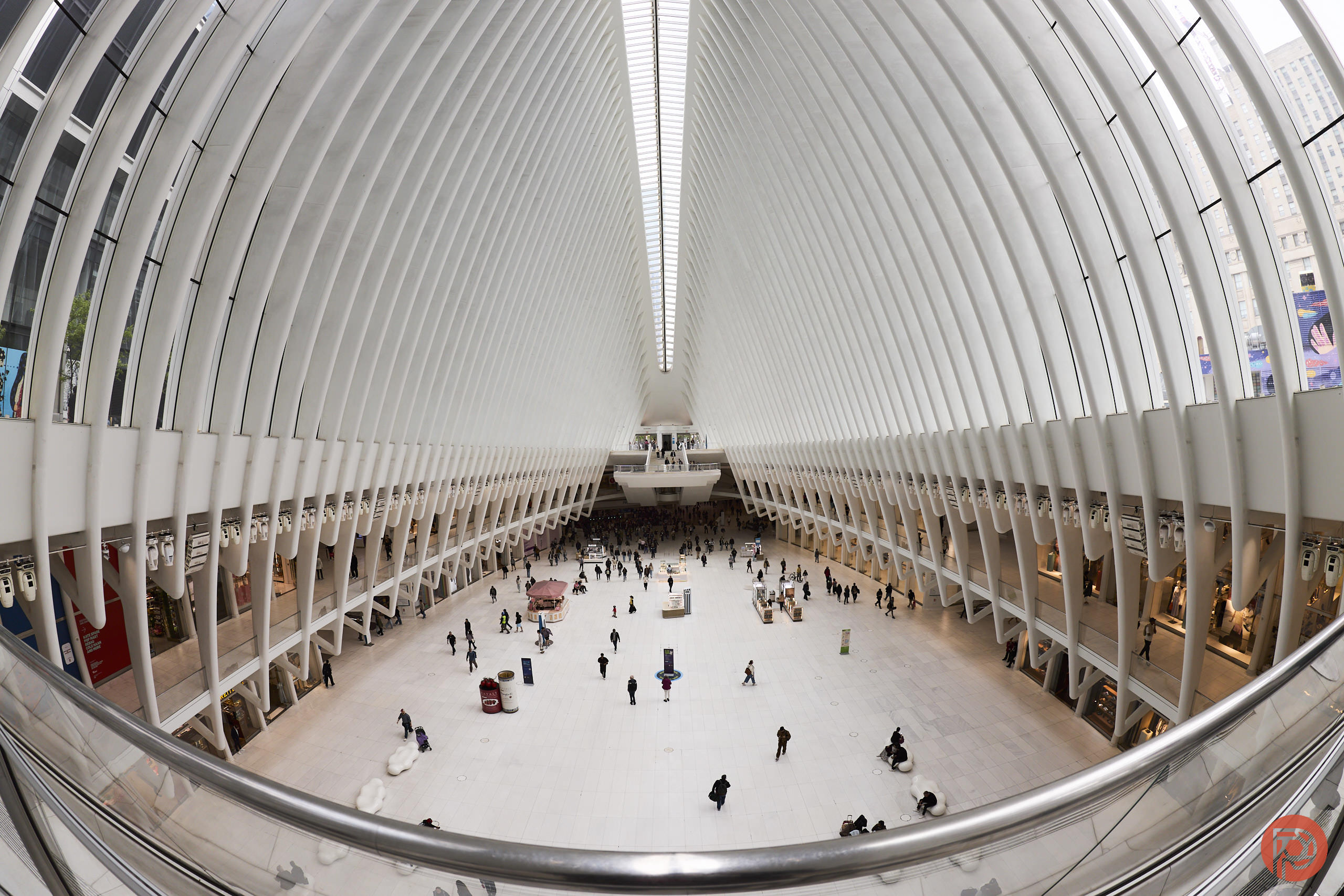
There is something quietly radical about a tool that asks you to see your own work differently instead of promising to fix it. The Retro Digital Presets for Lightroom and Capture One land in a market saturated with one-click fixes, yet they stake their claim on something far more interesting: affordability and specificity. At an insanely low price point, they are designed to make images stand out across studio and natural lighting, street photography, landscapes, and portraits. That is a broad promise, but the restraint in the pitch, no hype about "transforming your workflow," no claims of being the last preset pack you will ever need, suggests a team that trusts the work more than the marketing. We appreciate that.
This release sits naturally alongside the creative ethos we see elsewhere in our pages. Consider how Leica Lux 2.0: Crafting iPhone Photography with Artistic Vision approaches image-making as a craft of intention rather than automation, or how Unlock Creative Power: Lightroom and Photoshop Now Within Gemini signals a shift toward integrated, AI-assisted tools. The presets here take a different path. They are not about embedding intelligence into the software; they are about embedding a specific visual sensibility into your edit. For photographers who rotate through presets the way a painter rotates through pigments, this pack offers a curated palette rather than a single formula. That matters because the best tools do not erase your eye, they give it a new vocabulary.
Our honest take is this: the real value here is not the price, though that certainly lowers the barrier. It is the promise that these presets were tested across varied lighting conditions and genres. Too many presets look stunning in a controlled studio and fall apart on a cloudy sidewalk. The staff's willingness to rotate through multiple options tells us they treat presets as ingredients, not crutches. If you are a photographer who shoots both boudoir sessions along the Florida coast, as highlighted in Collaborate & Create: Boudoir Sessions Offered Across Florida's Coast, and street portraits in changing natural light, you need a preset that adapts without overwhelming the frame. That is the practical test these presets must pass.
What we would tell a reader who asks about them: try them on a single image you already love. If the preset enhances what you saw when you pressed the shutter, it earns its place. If it fights the light or flattens the texture, move on. The takeaway worth quoting is this: the most affordable tool is the one that makes you stop searching. These presets may not be that for everyone, but they are designed with enough range and intention to be worth the test. The open question is whether they hold up across the full spectrum of natural light that defines real-world shooting, and that is a detail worth watching as the community begins to share its results.