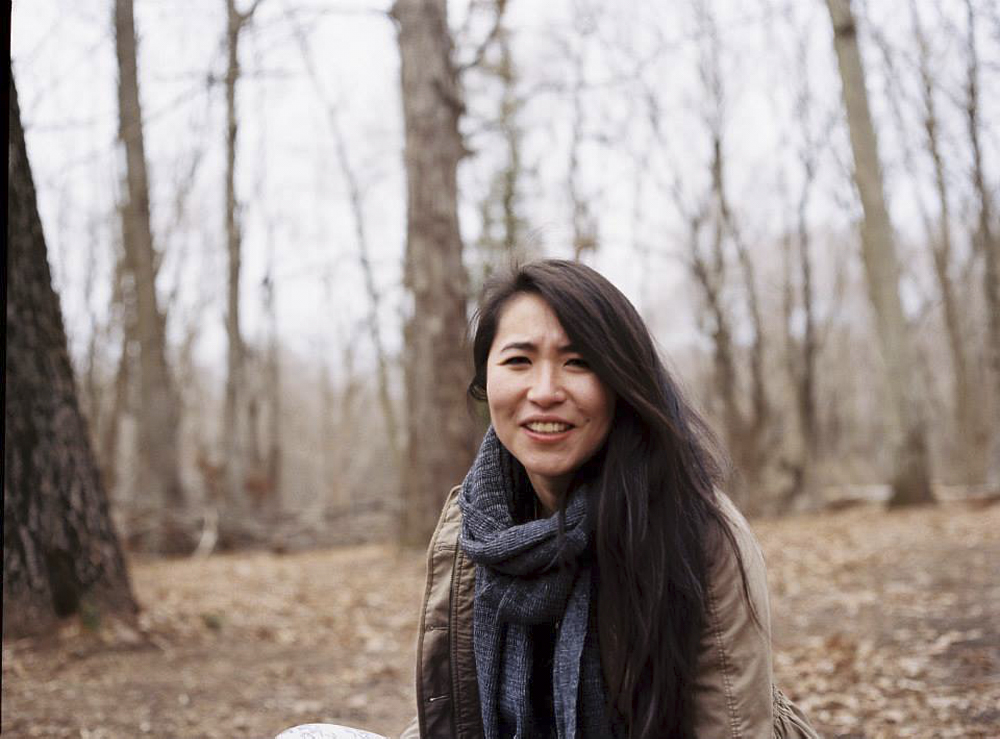
There's a quiet thrill in admitting you're ready for medium format. It's not just about upgrading gear; it's about surrendering to a slower, more deliberate rhythm of seeing. The article's point that this format forces a different kind of thinking resonates deeply with us, because it echoes a truth we've long held: constraints are the birthplace of artistry. It's the same reason we were drawn to the meditative patience of The Unspoken Dialogue Between Lens and Loom in Ancient Silk, where craft is inseparable from its material. Similarly, Finding Joy on the Streets, One Frame After Fashion reminds us that the best work often comes from embracing a specific language, whether it's a fabric's weave or a fleeting street gesture.
Technically, the shift is profound. The larger sensor changes everything, from depth of field to the way light falls across a cheekbone. But what strikes us as more interesting is the artistic consequence: you stop machine-gunning frames and start composing with intention. You become a portraitist, not just a shooter. This isn't about being precious; it's about respect for the craft. The article's quiet confidence mirrors what we tell friends who ask about making the leap: don't do it for the resolution charts, do it for the way it recalibrates your eye. It's a tool that demands you slow down, and in that slowing, you find a more honest connection with your subject.
We'd also point to the parallel in Capturing Cosmic Beauty: An Astrophotography Journey with Nikon, where the photographer's patience with long exposures teaches the same lesson: great images aren't taken, they're waited for. Medium format is that wait made tangible. For the working photographer, this isn't a luxury; it's a recalibration of your own standards. You'll find yourself noticing the curve of a shoulder, the way a shadow holds a whisper of blue, the micro-expression that vanishes in a 35mm burst. That's the real upgrade, and it has nothing to do with megapixels.
Our honest take? If you're on the fence, the question isn't whether you can afford it, but whether you're willing to let it change you. The format won't make your portraits better; it will make you a better observer. And that's the quiet revolution we're here for. We'd tell a reader this: rent one for a weekend before you buy. Spend a day shooting portraits at f/4, wide open, and watch how you start moving your feet instead of your zoom. The concrete thing to watch for is your own impatience, because the moment you feel bored with the slow pace, you'll know you're finally seeing the frame.