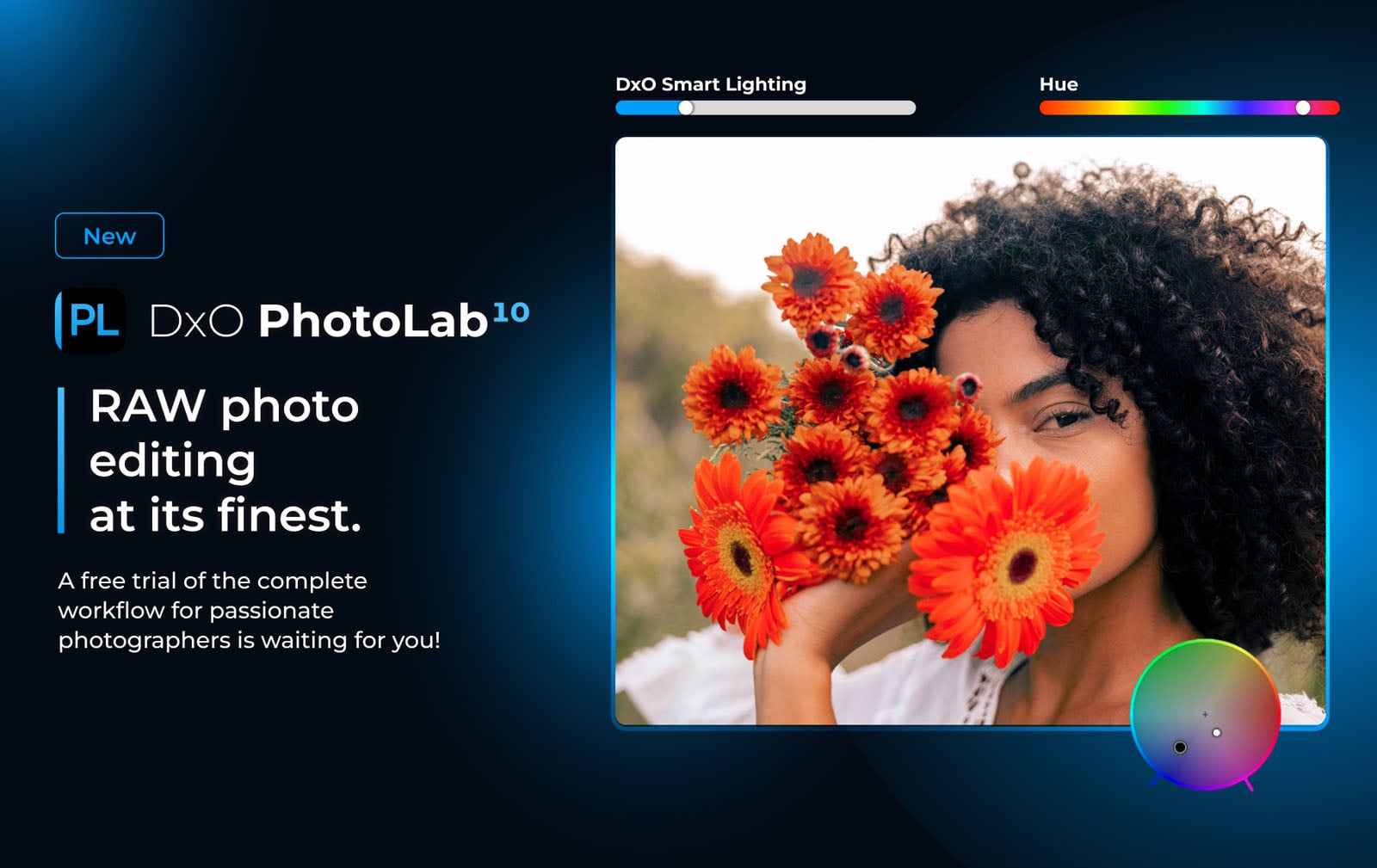
DxO's announcement of PhotoLab 10 arrives at a curious moment in the creative software conversation. The update leans into AI-driven masking and RAW-focused tools, which sounds like a technical checklist until you consider what it actually offers: more control over the image before it ever becomes a finished file. For our audience, who tends to see photography as a bridge between precision and poetry, this is less about the novelty of automation and more about how much intention you can pour into a single frame. We are not neutral observers here. We watch the industry drift toward convenience, and we worry when convenience replaces craft. PhotoLab 10, at least on paper, seems to want it both ways, and that is precisely why we are paying attention.
The timing is telling. Adobe recently announced it is bringing Lightroom and Photoshop directly inside Google's Gemini AI platform, a move that unlock creative power through conversational commands rather than manual adjustment. That story frames AI as a co-pilot, someone who finishes your sentences before you have decided what you meant to say. DxO's approach feels more like a skilled assistant who waits for your direction. The masking updates and color grading refinements are not about removing the photographer from the equation; they are about making the equation more legible. We would tell a reader who asks, "Is this worth switching for?" to first ask themselves whether they still enjoy the act of editing. If the answer is yes, PhotoLab 10 gives you sharper tools. If the answer is "I just want it done," the Gemini integration will probably seduce you faster. Neither is wrong, but they are different philosophies, and pretending otherwise is how you end up with a catalog of images that all look like they were generated by committee.
There is also an unavoidable tension in how we talk about AI in photography right now. We recently covered a CEO who posted an AI-edited family photo and faced an unexpected exit over it, a story that aspires to image perfection but stumbles on authenticity. That incident is a cautionary tale about using tools to polish reality into something it was never meant to be. DxO's focus on RAW files feels like a quieter counterpoint to that impulse. RAW is the negative, the honest starting point. By improving how we mask and grade at that stage, DxO is implicitly arguing that the magic happens in the choices you make, not in the shortcuts you take. We respect that. It is a stance that does not need a press release to be felt, but it is nice to see a company commit to it anyway.
The practical takeaway here is simple: if you shoot RAW and you have been waiting for masking tools that do not feel like a separate app bolted on after the fact, PhotoLab 10 deserves a trial run. The color grading updates are the sleeper feature, because they suggest DxO understands that a cohesive edit is less about individual sliders and more about how tones talk to each other across the frame. We would watch how these tools perform on skin tones and natural textures, because that is where AI masking usually falls apart. The open question is whether DxO can keep pace with the convenience-driven giants without losing the granular control that made it a favorite among purists. For now, we are curious, which is more than we can say for most software releases. And in a world where the next update is always one click away, curiosity is the rarest feature of all.