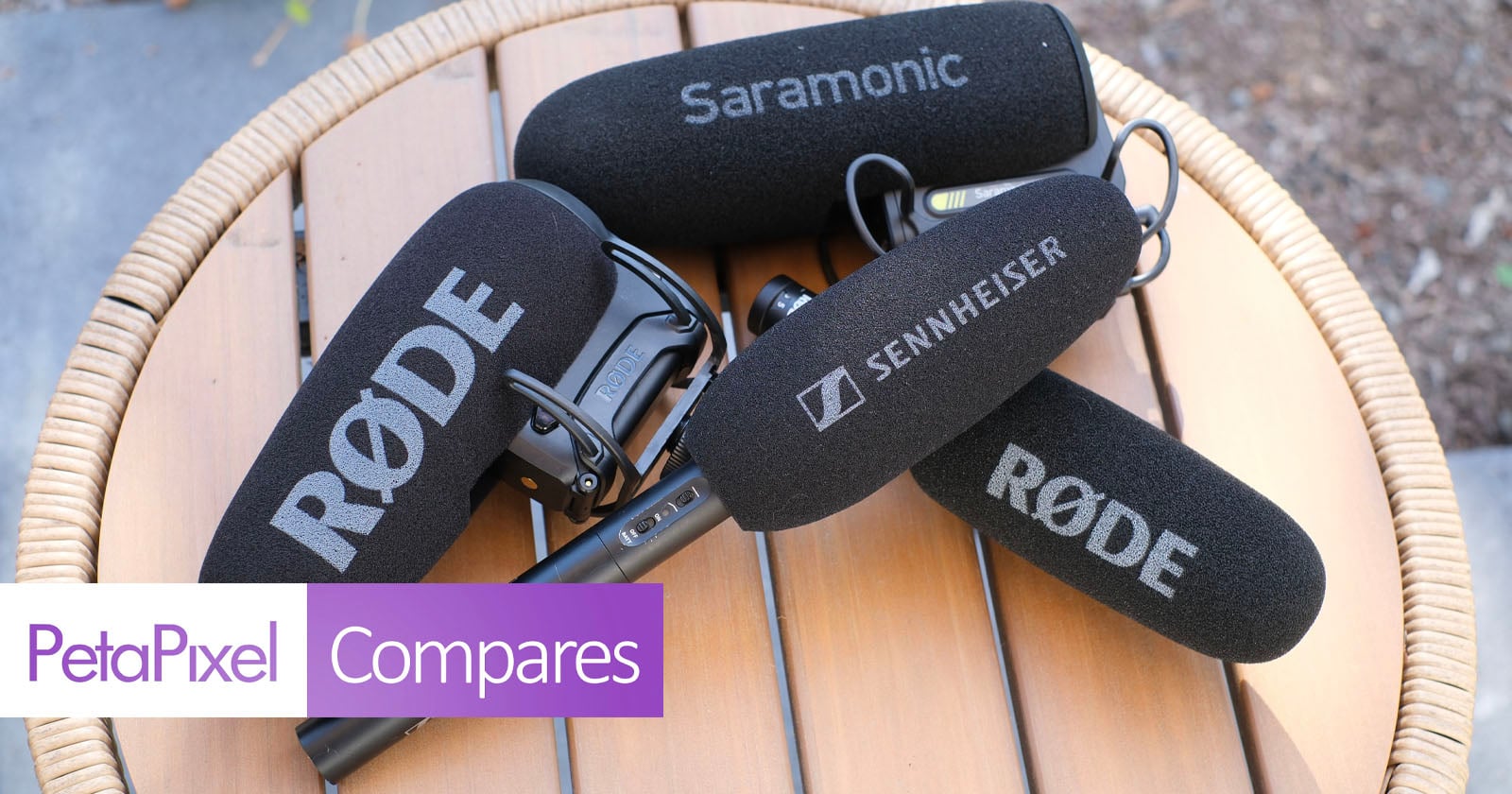
There is a quiet rebellion happening in the world of content creation, and it is being filmed with a microphone you have probably ignored. While the clip-on wireless has become the default accessory for every aspiring creator, there is a distinct, almost artistic argument for the humble on-camera shotgun mic. We are not here to bury the convenience of a discreet lavalier, but to champion the intentionality, the presence, and the surprisingly rich texture that a properly mounted shotgun brings back to your frame. It is a choice that speaks to a curated process rather than a reactive one, a decision that values the space you are in as much as the voice you are capturing.
This is precisely the conversation sparked by the recent roundup of the best shotgun microphones, a piece that reminds us that the tool we choose shapes the story we tell. The article correctly notes the ubiquity of the wireless clip-ons, but it makes a compelling case for the alternative, suggesting that the on-camera form factor offers a different kind of creative control. In a world where we are constantly chasing the perfect, isolated vocal take, the shotgun mic forces a re-engagement with the environment. It asks you to consider the acoustics of the room, the direction of the sound, and the subtle art of proximity. This feels like a natural counterpart to the broader conversations happening in our space, whether it is the Unlock the Nikon Z5 IIC’s Potential with SmallRig’s New Accessories for rigging out your setup or the Elevate Your Vision: RodeCaster Unveils Immersive 4K Capture and Distribution for a complete audio-video workflow. It is about building a system that feels intentional, not just convenient.
For the creator who has grown tired of the identical look and sound of every other channel, the shotgun mic is a statement of aesthetic intent. It is not about being difficult; it is about being deliberate. When you mount a proper shotgun, you are telling your audience that you are present, that you are invested in the craft of the moment. The wireless clip-on is a tool of efficiency; the shotgun is a tool of expression. It adds a visual anchor to the camera, a piece of gear that signals professionalism and a willingness to work with the space, not just around it. We would tell a reader who is on the fence to consider their subject matter: if you are a talking head who needs to move freely, keep the lav. But if you are a filmmaker, a reviewer, or a storyteller who wants a more cinematic feel, the shotgun is your collaborator.
The real takeaway here is not that one microphone is superior, but that the choice itself is a creative decision. It is a rejection of the generic and the ordinary, a preference for the immersive and the authentic. As we look at the Elevated Mobile Imaging: Snapdragon Unleashes 8K Video Capabilities reshaping what is possible in the field, the audio capture method becomes even more critical. The question we should all be asking is not "What is the easiest way to record?" but rather "What is the most honest way to capture this moment?" The answer, for a growing number of creators, is to point a shotgun at the subject and let the room speak. The specific detail to watch is the directionality: a good shotgun mic does not just record sound, it paints a picture with it.