European Union Plans to Ban Under 13s From Social Media
Our take
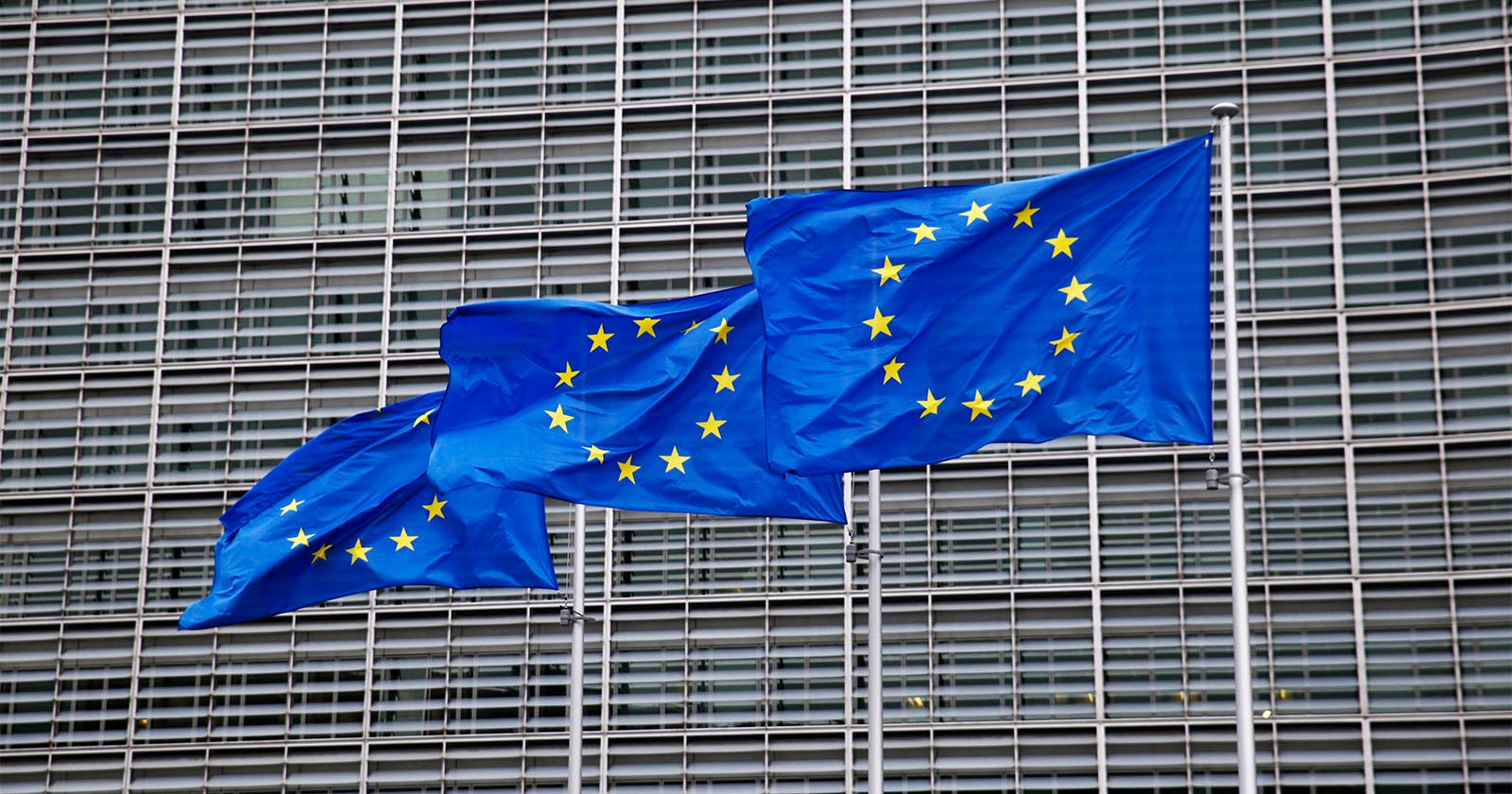
The European Union's proposed ban on social media access for those under 13 represents a significant shift in the regulatory landscape surrounding online safety, one that resonates deeply with our audience who appreciate both curated digital experiences and mindful lifestyle choices. This isn't merely a reactive measure; it’s a proactive attempt to safeguard a vulnerable demographic increasingly exposed to the complexities and potential harms of the digital world. The move is particularly noteworthy given Meta’s ongoing navigation of legal challenges, including Meta Hit With Class-Action Lawsuit For Allegedly Using Instagram Photos to Build ‘Name Tag’ and the increasingly sophisticated tactics of online scammers, as highlighted by the recent wave of extortion targeting Instagram users through bogus copyright strikes Scammers Are Extorting Instagram Users With Bogus Copyright Strikes. The EU’s stance signals a growing global recognition that self-regulation by tech companies alone isn’t sufficient to protect children online.
The framework’s scope extends beyond just social media, encompassing online gaming and certain AI services, demonstrating a holistic understanding of the digital risks facing young users. This broadened approach is crucial because children's engagement with technology is rarely confined to a single platform. The implications for companies like Meta, which are constantly exploring new subscription models like Meta Adds More Subscription Offerings in the Form of Meta One, are considerable. While subscription models might offer some level of control, they don't inherently address the core issue of age verification and parental consent. The EU’s legislation will likely necessitate more robust age verification systems, potentially impacting user experience and requiring significant investment from tech platforms. Furthermore, the legal precedent set by the EU could influence regulatory approaches in other regions, potentially leading to a global tightening of online child safety standards.
The rationale behind the ban centers on protecting children from cyberbullying, exposure to inappropriate content, data privacy violations, and the potential for exploitation. While the specifics of enforcement remain to be seen – circumventing such a ban will undoubtedly be a challenge – the intent is clear: to prioritize the well-being of young users over the pursuit of user growth and engagement. This move aligns with a broader societal shift towards greater digital responsibility, echoing concerns about the long-term impact of social media on mental health and developmental well-being. It's a recognition that the promise of connectivity shouldn’t come at the expense of safeguarding vulnerable populations. The debate, of course, will continue to revolve around finding a balance between protecting children and respecting parental rights to guide their children’s digital experiences.
Ultimately, the EU’s proposal marks a pivotal moment in the ongoing conversation about digital governance. The effectiveness of this ban will depend on its implementation and the willingness of tech companies to cooperate, but it undeniably sets a new standard for online safety. The question now is whether other nations will follow suit, and how the tech industry will adapt to a future where age verification and parental consent are not optional considerations but rather fundamental requirements. It's a landscape poised for significant change, and one that will undoubtedly shape the digital experiences of future generations.
The European Union is proposing bloc-wide restrictions on children’s access to social media, online gaming, and some AI services as part of a new framework aimed at strengthening online safety.
Read on the original site
Open the publisher's page for the full experience