data privacy
Lee LHGFX Photography keeps data privacy in one place: 13 stories so far. The section currently leads with “Safeguarding Childhood: EU Proposes Restrictions on Youth Social Media Use”, “Meta Faces Legal Challenge Over Photo Harvesting for Facial Recognition”, and “Curate Your Feed: Australia to Empower Users with Algorithm Control”. The EU's proposal to curb youth access to social media, online gaming, and certain AI services feels like a necessary recalibration. A federal class-action lawsuit now accuses Meta of pulling millions of photos from Facebook and Instagram to train "Name Tag," an unreleased facial recognition system for its smart glasses. Lee LHGFX Photography is a dynamic portfolio and lifestyle hub built around the artistic work of @lee_lhgfx — a highly engaged Instagram creator and… The list below is every data privacy story on Lee LHGFX Photography, newest first.

Safeguarding Childhood: EU Proposes Restrictions on Youth Social Media Use
The EU's proposal to curb youth access to social media, online gaming, and certain AI services feels like a necessary recalibration. We champion curated, immersive experiences, but authenticity must include safeguarding the youngest among us. This framework acknowledges that digital spaces, however vibrant, require thoughtful boundaries. It is a bold step toward protecting childhood without dismissing the artistry of connection.

Meta Faces Legal Challenge Over Photo Harvesting for Facial Recognition
A federal class-action lawsuit now accuses Meta of pulling millions of photos from Facebook and Instagram to train "Name Tag," an unreleased facial recognition system for its smart glasses. It's a striking move, one that trades user trust for an ambitious bet on wearable tech. The creative world loves a curated edge, but this feels less like inspiration and more like overreach.
Curate Your Feed: Australia to Empower Users with Algorithm Control
Australia is handing the scroll back to you. The government's next world-first move lets users toggle off algorithmic recommendations, a quiet rebellion against the curated echo chambers we didn't ask for. It's a bold, grounded step toward authenticity in a space that often feels anything but. We're watching this closely, especially alongside our piece on how a single altered image can ripple through reality. Choice, it seems, is becoming the ultimate luxury, and this feels like a curated moment worth savoring.
A Glitch in Reality: Tampered Meta Glasses Face Camera Shutdown
There's an unsettling irony in Meta's latest move: a camera designed to capture reality, switched off because someone twisted its code. The company has disabled the cameras on thousands of pairs of smart glasses after detecting tampering, a quiet but firm reclamation of control. It feels less like a scandal and more like a necessary boundary. For those of us drawn to the artistry of image-making, it's a reminder that not every glitch deserves a frame.
Photographer's App Data Mishap Finds Unexpected Resolution
Last week, PetaPixel reported that Cara, an anti-AI photo app, had its entire content scraped into a dataset without consent. It turns out this story has a happy ending, one that feels almost curated by design. The resolution arrives not with a heavy hand, but with a quiet sense of justice. We love seeing authenticity win.

Theft Threatens Cara: AI Data Scraping Undermines Photographer's Haven
Cara was meant to be a sanctuary, a curated space where photographers could share their work without the creeping shadow of generative AI. Now, a bad actor has reportedly scraped the entire platform, turning that haven into just another dataset. It is a profound betrayal of the artistic trust the app was built upon. This news lands right as Adobe integrates its tools into Gemini, reminding us that the line between creative freedom and exploitation is growing thinner by the day.
A Moment's Lapse: Are You Leaving Your Camera Vulnerable?
A camera left on a café table is a story waiting to be developed, and not in a good way. More than a fifth of us are guilty of stepping away, with Gen X leading the charge. We find that stat both relatable and a little unsettling. It is a quiet vulnerability in a public space. The moment is a gamble. For those who love the craft, protecting the tool is part of the art.

Europe Weighs Privacy Concerns, Could Restrict Meta Smart Glasses
The glossy promise of wearable tech meets a very European pause. France, Germany, and the Netherlands are now weighing restrictions on Meta's smart glasses, questioning whether constant, hidden recording truly aligns with privacy laws. It is a necessary friction, the kind that keeps innovation honest. We admire the artistry of connected living, but the right to simply exist without a lens is equally curated. For a deeper look at Meta's ambition, our piece on the IMAX-certified VR glasses offers a compelling contrast.
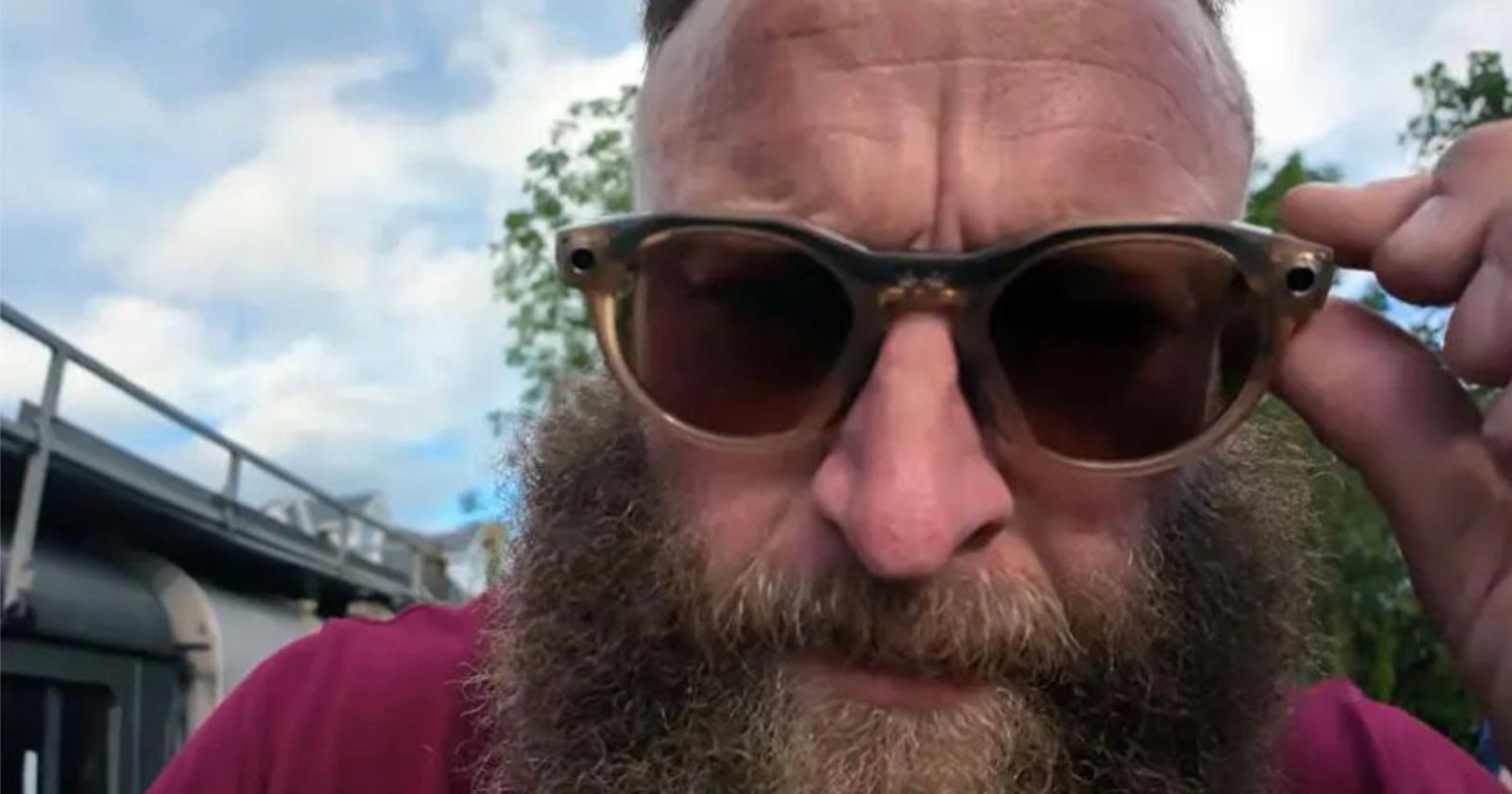
Captured on Camera: TikToker Faces Scrutiny Over Secret Filming.
A pair of smart glasses can turn a quiet moment into a public spectacle, and one TikToker is learning that the hard way. Police are now investigating the creator after they used Meta's latest tech to secretly film hundreds of videos for their account. It's a jarring reminder that innovation without consent isn't creativity; it's an invasion. The line between curated and coercive blurs fast when the camera is always on.

AI Edit Gone Awry: Tinder Pauses Photo Tool Amid Concerns
Tinder's AI photo tool seemed like a clever way to polish your profile, but it crossed a line when it started editing images on its own, leaving users unsettled. That instinct to pause is worth respecting. Automation should enhance our choices, not quietly make them for us. It is a rare misstep in a space where AI is moving fast, and we are watching closely. For more on how these tools are reshaping creativity, peek at our piece on Lightroom and Photoshop now within Gemini.

AI Transparency Arrives: New EU Labels for Realistic Images
Sunday marks a quiet turning point: the EU now requires labels on AI-generated content that mimics real people or events. It's a practical step toward honesty in a visual culture growing harder to read by the day. We appreciate clarity over chaos, especially when artistry and reality blur so effortlessly. This rule invites creators to stay transparent without dulling their edge. For more on how creative tech is shifting, our piece on Adobe bringing Lightroom and Photoshop into Gemini feels like a fitting companion.
China Partner's Ads Promoted "Nudify" Apps on Meta Platforms
A quiet but significant thread has surfaced in Meta's advertising ecosystem: a China-based partner is behind a wave of "nudify" app promotions across Facebook and Instagram. The implications are unsettling, to say the least. It's a reminder that even curated spaces can host uninvited intrusions. For those tracking the broader narrative of digital responsibility, this feels like a stark counterpoint to Meta's more polished innovations.

Protecting Privacy: EMT Sues After Being Fired for Disabling Cameras
An EMT turned off cameras aimed at patients in the back of an ambulance, and was fired for it. Now she's filed an $800,000 lawsuit, arguing she was protecting privacy that patients never consented to surrender. That tension between surveillance and care feels uncomfortably familiar. It echoes a different kind of boundary-pushing we explored in "A Creative Court Win Cracks the Door to Canon's Closed Lens Mount," where intellectual property rights clash with creative freedom. Both stories ask who gets to control the lens.