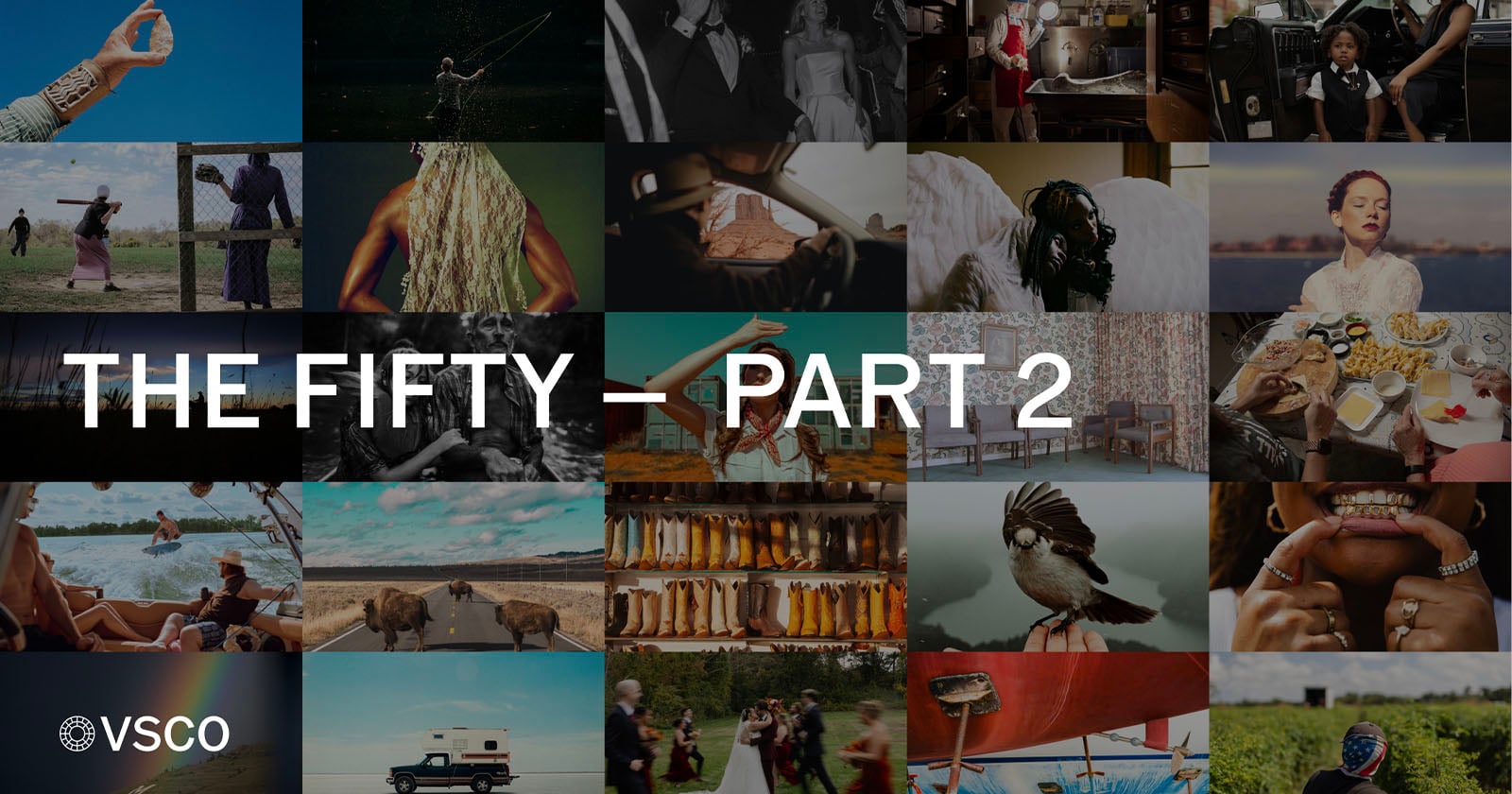
There is something quietly radical about a billboard that does not try to sell you anything. VSCO's *The Fifty* campaign, now complete with its second cohort of photographers, places one artist from each state onto a large-format public frame in their own home market. No product. No logo splash. Just a photograph, blown up to the scale of a highway ad, asking commuters to pause and look. That is a bet on curation over commerce, and it is the kind of bet we wish more brands would make.
VSCO has long understood that the line between a creative tool and a lifestyle platform is thin, and this campaign walks it beautifully. By handing the billboard, arguably the most generic advertising format in existence, to fifty distinct visual voices, the company reframes public space as a gallery. The result feels less like a marketing stunt and more like an invitation to rediscover your own city through someone else's eyes. It echoes the same philosophy we admired in Wandrd's latest strap system redefines the art of effortless attachment, where thoughtful design prioritizes the photographer's experience over flashy specs. Both projects understand that the real luxury is in the details that let you stay present.
What makes *The Fifty* resonate is its refusal to flatten the country into a single aesthetic. Each photographer's frame is a specific, local truth, a desert highway in New Mexico, a rain-slicked street in Portland, a quiet corner of a Pennsylvania farm. There is no attempt to homogenize these visions into a tidy brand mood board. Instead, VSCO trusts that authenticity, in all its messiness, is more compelling than polish. This is the same instinct that drives the conversation around The Z5IIC promised nostalgia but delivered a familiar frame, where a camera that leaned on retro appeal fell short of the genuine innovation photographers were hoping for. VSCO, by contrast, does not fake nostalgia. It gives real creators a real stage.
For the photographers selected, the practical consequence is significant: a billboard in your hometown is not a digital like or a fleeting story view. It is a physical, unskippable statement that your work belongs in the public conversation. For the rest of us, the campaign poses a quiet question, what would we frame if we had that space? The answer, for now, lives on fifty highways, waiting for someone to look up from their phone and see a world worth capturing.